
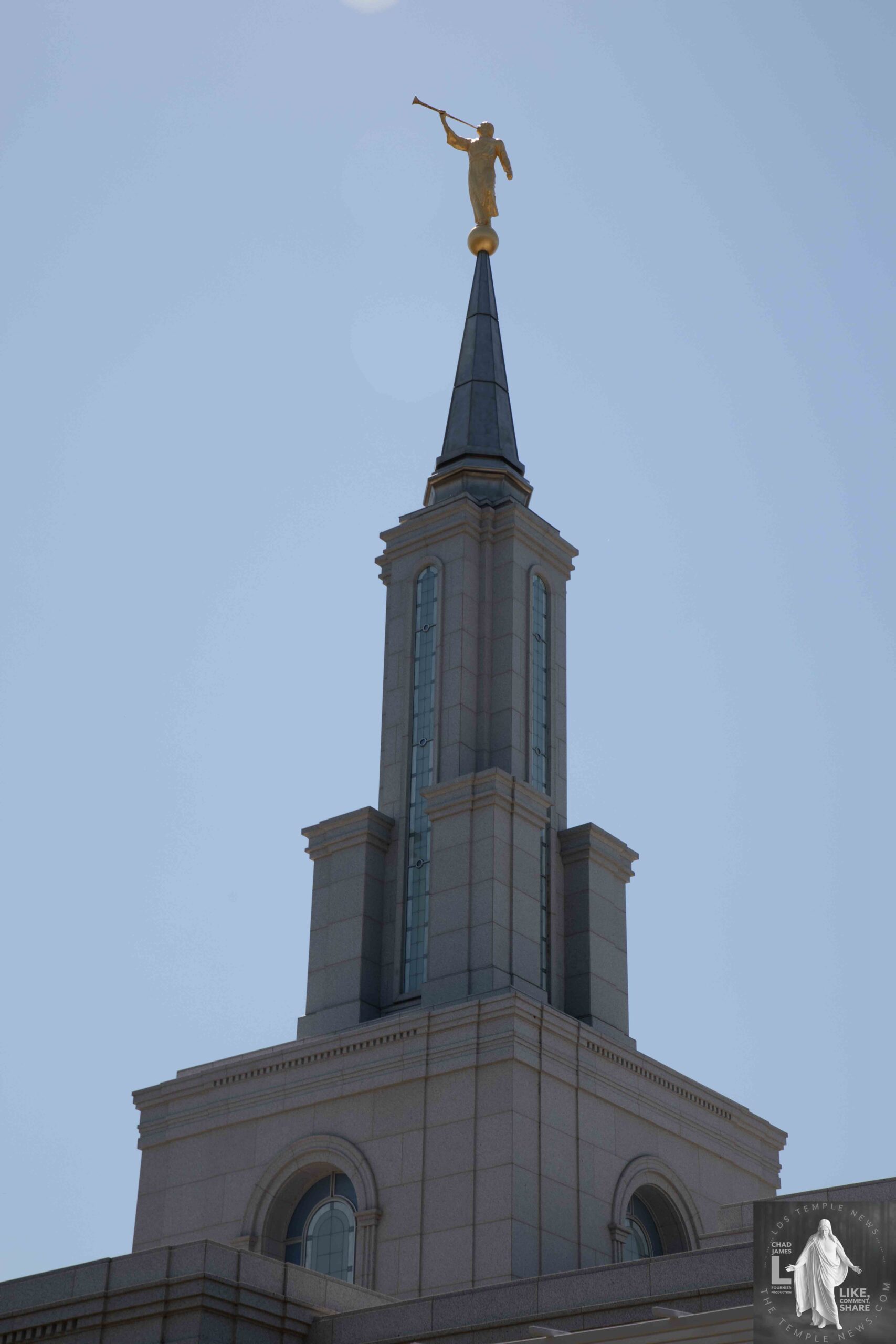
Discovering the Sacramento California Temple
The Sacramento California Temple serves as a significant spiritual site, being the 123rd dedicated Temple in operation. Its beautiful design and thoughtful layout make it an important destination for many.
Sacramento California Temple media by LDS Temple News
The address of the Sacramento California Temple is 2110 California Cir, Rancho Cordova, California 95742. This location is nestled on a 46-acre lot, which also features a chapel that shares part of the parking area. The exterior showcases light gray granite, enhancing the serene atmosphere of the architecture. A single attached end spire adorns the top, prominently displaying a gold-leafed statue of Angel Moroni.
History and Dedication
The announcement for the creation of the Sacramento California Temple came on April 21, 2021. The groundbreaking and site dedication occurred on August 22, 2004, by Prophet Gordon B. Hinckley. Following the construction, the Temple held a public open house from July 29 through August 26, 2006. It was then dedicated by the Prophet Gordon B. Hinckley on September 3, 2006.
Features and Layout
The Temple encompasses a total area of 19,500 square feet and reaches a height of 131 feet, situated at an elevation of 256 feet. Inside, there are two instruction rooms, four sealing rooms, and one baptistry, all designed to facilitate a variety of spiritual experiences.
Architectural Elements
- Exterior: Light gray granite that complements the landscape.
- Height: Reaches an impressive 131 feet.
- Spire: Features a gold-leafed Angel Moroni statue, a notable element.
Other Information
The Sacramento California Temple is the seventh Temple built in California, the third in Northern California, and the second in the Central Valley. Its design and construction reflect a blend of modern and traditional elements, making it not just a place of significance, but also a beautifully crafted environment for reflection and inspiration.
Conclusion
In summary, the Sacramento California Temple stands out in its architecture and purpose. Its history and features make it an integral part of the area’s spiritual landscape, inviting individuals to experience its serene environment.