Historical Significance of the Salt Lake Temple
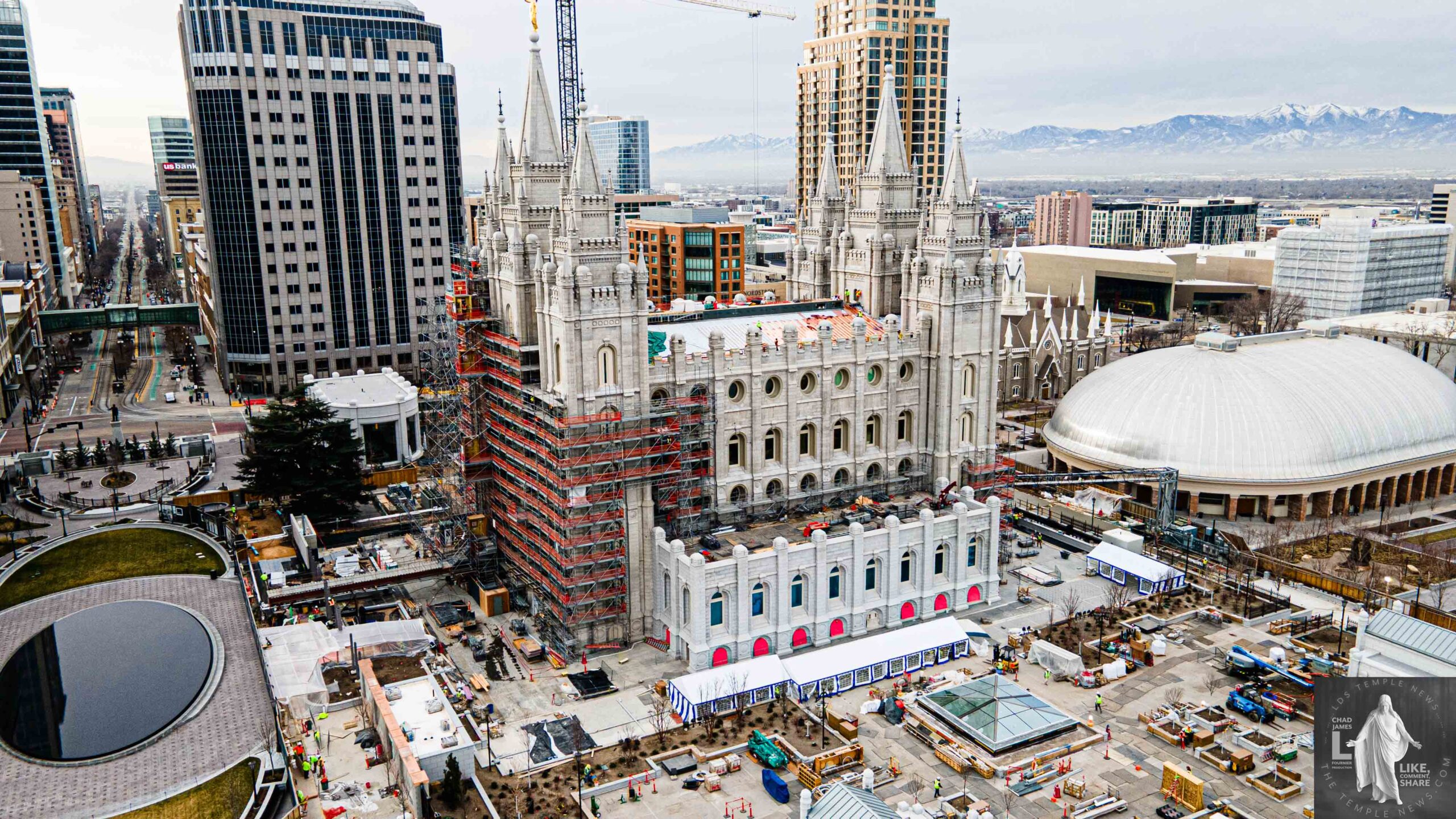
The Salt Lake Temple stands as a monumental House of the Lord in Salt Lake City, Utah, with a rich history that reflects the early days of the LDS Church. Constructed between 1853 and 1893, it was built using a unique blend of Gothic and Romanesque architectural styles. This remarkable creation is not only an important religious site but also a testament to the dedication of early church members who labored to bring this vision to life.
The Lion House: A Historical Treasure
Original Purpose
Originally built between 1849 and 1856, the Lion House served both as a residence and hospitality venue for Brigham Young and other church leaders. It was designed to be a welcoming home where Brigham Young could host guests and accommodate early Mormon pioneers arriving in Salt Lake City. This historic House of the Lord embodies the spirit of hospitality and community that characterized that period.
Current Use and Status
Today, the Lion House is open for tours and is operated by the LDS Church in collaboration with the Utah Heritage Foundation. Apart from offering guided tours, it hosts weddings, dinners, and events that celebrate the pioneer-era architecture and rich history. This ongoing use ensures that the legacy of the Lion House continues to thrive within the community and is appreciated by many.
Preservation Efforts
Seismic Upgrades and Restoration Costs
As of 2023, there have been no publicly reported seismic upgrades specifically undertaken on the Lion House. The focus has primarily been on maintaining the architectural integrity and historical significance of this remarkable House of the Lord. While routine maintenance and preservation efforts are likely ongoing, specific financial details related to these projects remain undisclosed.
Summary of Key Information
- Seismic upgrades: No publicly documented upgrades on the Lion House.
- Open for tours: Yes, the Lion House is available for tours.
- Original purpose: Built as a residence for Brigham Young and other leaders.
- Cost for restoration: Not publicly disclosed, possibly part of ongoing maintenance and preservation efforts.
Conclusion
The Salt Lake Temple and the adjacent Lion House serve as enduring symbols of the devotion and hard work of early church members. As they continue to be embraced by the community, these historic sites allow for a deeper understanding of the past and the cultural legacy that remains prominent in Utah today. For the latest developments and more information, checking the official Church or Temple Square’s website is advisable.