
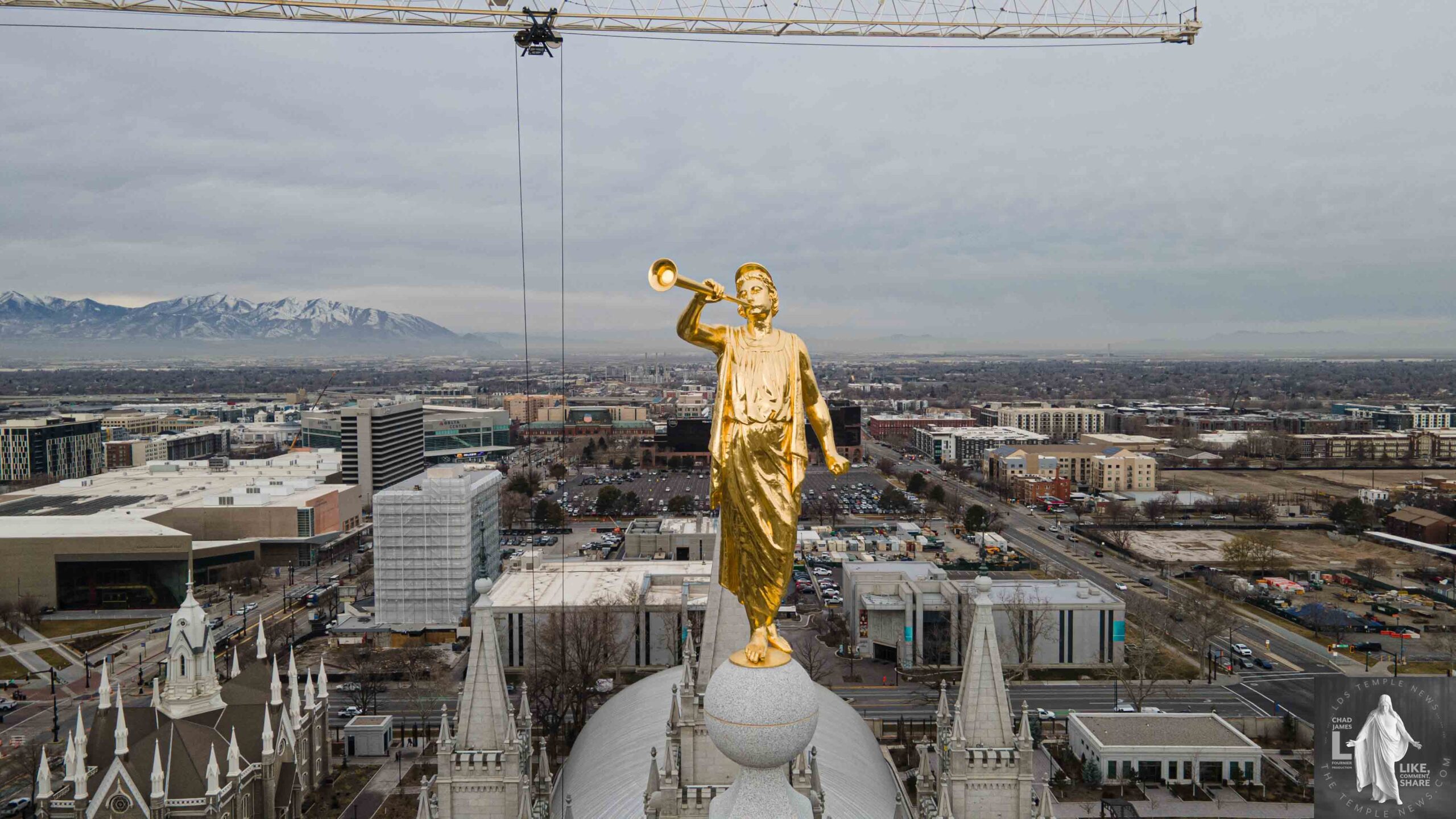
The Seismic Enhancements of the Salt Lake Temple
The Salt Lake Temple stands as an enduring symbol of faith and history. Recent renovation efforts, which began in late 2019 and will conclude in 2025, have introduced significant seismic upgrades to reinforce this cherished House of the Lord. These enhancements are crucial for improving earthquake resilience while ensuring the preservation of its historic integrity.
What Did the Seismic Upgrades Entail?
The seismic improvements involved several innovative techniques and technologies. The core enhancement was the installation of an advanced base isolation system, composed of nearly 100 base isolators placed strategically beneath the entire foundation. This allows the House of the Lord to sway safely up to five feet in any direction during seismic activity, which significantly minimizes the risk of structural damage.
Other key components of the upgrades include:
Foundation Reinforcement
Steel reinforcement tubes were inserted using a “jack and bore” technique. These tubes, filled with concrete, work to enhance the base and evenly distribute seismic forces.
Vertical Granite Wall Coring
A total of 46 deep holes, each approximately 150 feet deep, were drilled into the granite walls. These holes accommodate post-tensioning cables that anchor the spires to the reinforced foundation, further stabilizing the structure.
Structural Support Enhancements
Heavy-duty steel roof trusses were added to connect and support both the roof and spires. This ensures that they can withstand seismic forces without sustaining damage.
The Process and Timeline
The seismic enhancement efforts commenced in late 2019, in tandem with the broader renovation of the House of the Lord. The primary phase of seismic strengthening and foundation reinforcement took place from 2020 to 2023, with the installation of base isolators and other structural reinforcements completed within this timeframe. The entire renovation, inclusive of these key upgrades, is set to be finalized in mid-2025.
Challenges Encountered
Throughout the seismic upgrade process, several technical challenges were addressed:
- Preserving Historical Appearance: The project required maintaining the temple’s exterior and interior aesthetics while improving structural safety, demanding high levels of engineering precision and craftsmanship.
- Limited Access: The installation of base isolators and drilling into granite walls necessitated meticulous planning to avoid damage and ensure coordination around the ongoing renovations.
- Unforeseen Conditions: As with any extensive renovation, unexpected structural irregularities were sometimes discovered, requiring adaptable solutions. Fortunately, no major delays have been reported.
Cost of the Seismic Upgrades
While the exact costs have not been made public, the overall renovation project for the Salt Lake Temple, which includes seismic retrofitting, interior restoration, and expansion, is estimated at approximately $125 million. The seismic upgrades represent a substantial investment within this budget, underscoring their importance in safeguarding this historic House of the Lord.
Summary
The seismic upgrades to the Salt Lake Temple utilize advanced technology to enhance earthquake resilience while preserving its historical and spiritual significance. Planned renovations from late 2019 to mid-2025, combined with a project cost around $125 million, reflect a commitment to protecting this esteemed House of the Lord for future generations. These successful enhancements not only fortify the structure but also honor its legacy and sacred purpose.