
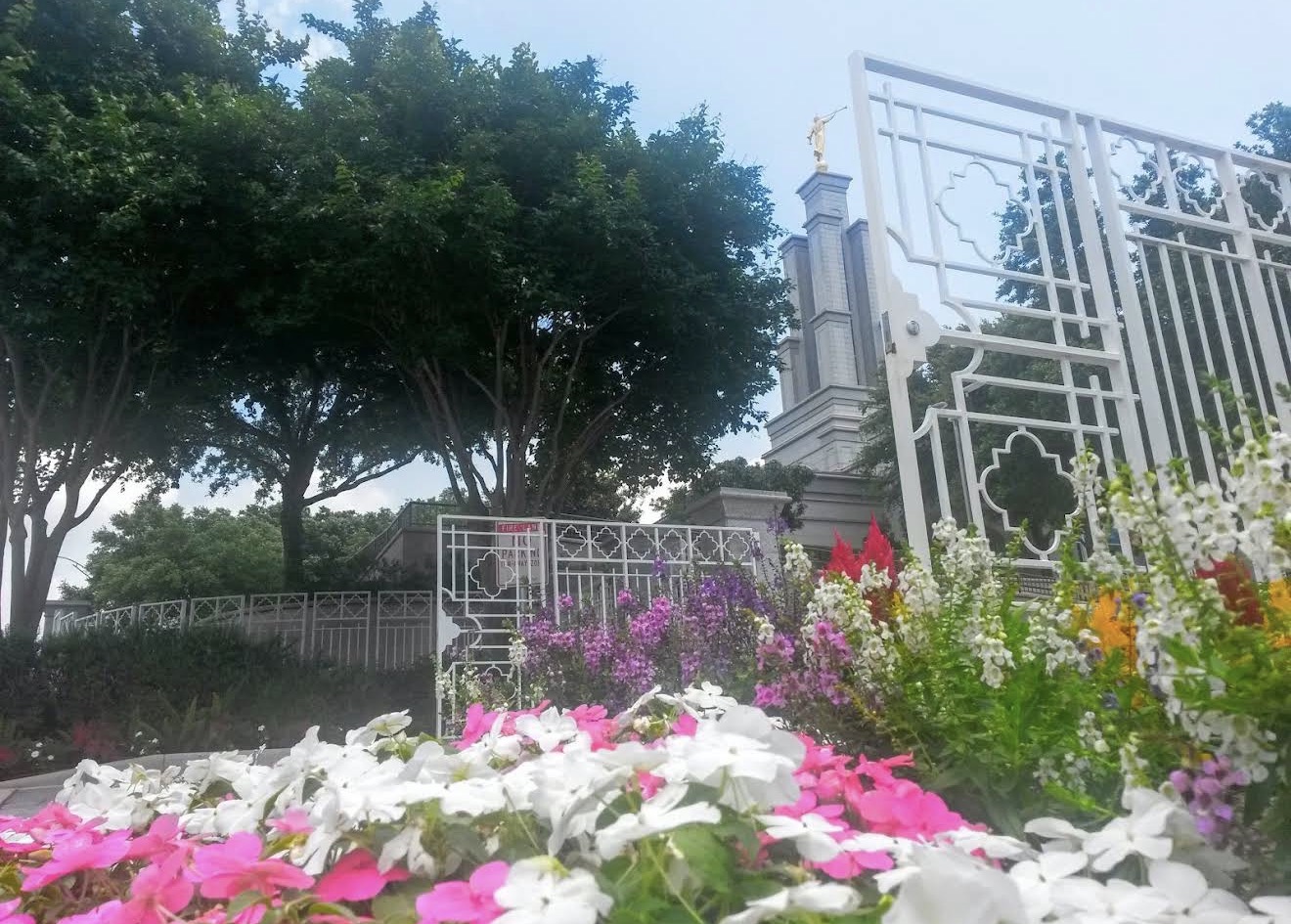
Exploring the San Antonio Texas Temple
The San Antonio Texas Temple stands as the 120th dedicated Temple in operation, celebrating a rich history and unique architectural features in the heart of Texas. With its elegant design and thoughtful artistry, it serves a vital role in the life of many individuals and families.
San Antonio Texas Temple by LDS Temple News
The journey of the San Antonio Texas Temple began when Prophet Gordon B. Hinckley announced its construction on June 24, 2001, during a regional broadcast for church members in San Antonio. The groundbreaking occurred a little less than two years later, on March 29, 2003, led by H. Bruce Stucki.
A significant milestone in its history was the public open house held from April 16 to May 7, 2005, attended by 69,679 individuals. This event showcased the Temple ahead of its dedication on May 22, 2005, where 14,069 people gathered to witness the four dedication sessions, which were also presided over by Prophet Gordon B. Hinckley.
Architectural Details
The San Antonio Texas Temple is set on 5.5 acres and boasts an exterior finish of granite, creating a timeless and elegant facade. Standing at 115 feet and encompassing 1,225 square feet, this single-story Temple features a distinctive architectural design highlighted by a single attached end spire topped with a gold-leafed Angel Moroni statue.
The interior is as remarkable as its exterior. Two instruction rooms, two sealing rooms, and a baptistry, accommodating various needs. The interior design incorporates a custom blend of southwestern aesthetics and religious themes, with original murals crafted by artist Keith Bond in the instruction rooms.
Artistic Features
The interior features a stunning array of light fixtures predominantly made of brass, art glass, faux alabaster, and crystals, culminating in a striking 700-pound chandelier in the grand celestial and waiting rooms. Stained glass windows fill the spire, adorned with intricate designs such as the 16-point star and wheat motifs symbolizing Christ.
The Tree of Life windows feature elements native to the area, including agate discovered on the construction site and fossilized red coral. A particularly historic touch is the glass salvaged from the first Latter-day Saint chapel built in San Antonio.
Cultural Significance
On May 21, 2005, prior to the dedication, a vibrant cultural celebration titled “Heart of Texas Youth Jubilee” took place at the Alamodome, showcasing the local youth’s talents and ties to the Temple. This celebration marked an important moment in the community, reflecting the strong connections formed through shared beliefs.
Notable Features
- Spire and Star Details: Tall windows filled with stained glass stars culminate in a pronounced 16-point star.
- Wheat Motifs: Frequently framed by intricate wheat designs, symbolizing Christ as the Bread of Life.
- Custom Railings: Crafted using wrought iron, echoing the regional Spanish colonial architectural style.
In Conclusion
The San Antonio Texas Temple is a significant addition to the landscape of San Antonio and the broader state of Texas. As the fourth Temple in Texas, following the Dallas Texas Temple (1984), Houston Texas Temple (2000), and Lubbock Texas Temple (2002), it embodies not only architectural beauty but also a deep connection to the faith and perseverance of its builders and members. With its stunning designs and rich heritage, the Temple continues to play an essential role in the lives of many.
San Antonio Texas Temple by LDS Temple News