
Temples of The Church of Jesus Christ of Latter-day Saints News Articles Fort Collins Colorado Temple
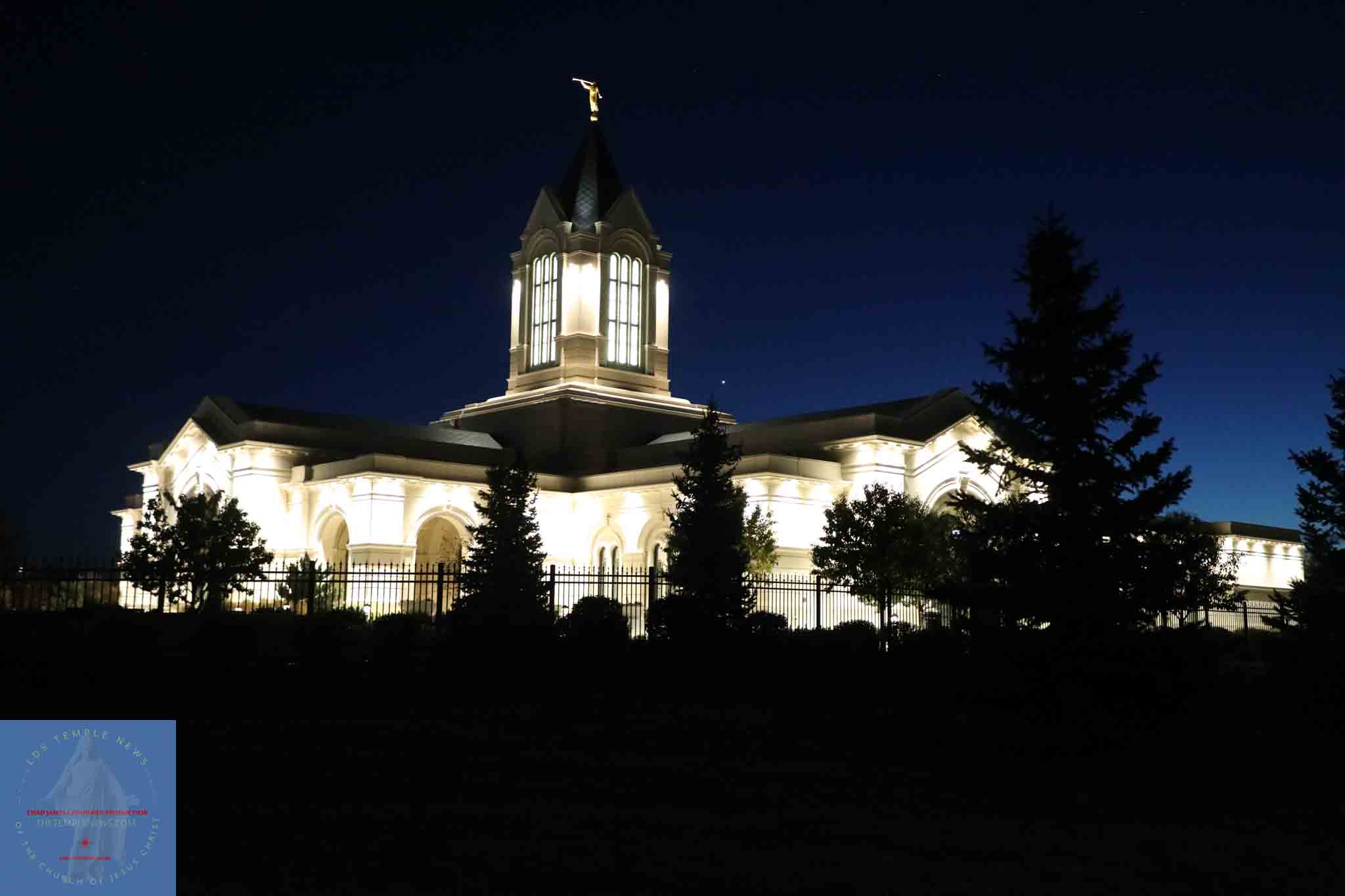
Nestled in the scenic landscape of Fort Collins, Colorado, the Fort Collins Colorado Temple stands as the 153rd Operating Temple of the Church. Situated at 2180 Majestic Dr, this beautifully designed facility spans an impressive 42,000 square feet and is built on 15.69 acres, with a charming chapel positioned across the residential street.
History and Dedication
The journey of the Fort Collins Colorado Temple began on April 2, 2011, when it was officially announced by the Prophet Thomas S. Monson. The groundbreaking and site dedication took place on August 24, 2013, led by Ronald A. Rasband, marking a significant milestone in its development.
A public open house occurred from August 19 to September 10, 2016, drawing a notable 105,000 attendees who had the opportunity to tour the interior. The temple was then dedicated on October 16, 2016, in three sessions by the Apostle Dieter F. Uchtdorf. During the dedication, President Uchtdorf emphasized the significance of the Savior as the cornerstone of life and faith, offering a prayer to bless the Temple.
The Angel Moroni Statue
A striking feature of the Fort Collins Colorado Temple is the gold-leafed statue of the Angel Moroni, which was installed on August 26, 2015. The installation was a noteworthy event, watched by Church members, construction workers, and curious onlookers as a crane carefully hoisted the statue to the top of the steeple.
Cultural Celebration
A day before the temple’s dedication, a vibrant cultural celebration took place, showcasing the history of the Church in Colorado and Wyoming through song and dance. Young men and women from the temple district presented their talents at Hughes Stadium, where President Uchtdorf encouraged the youth to embody the values emphasized by the Temple in their lives.
Architectural Details
The Fort Collins Colorado Temple features beige concrete panels and is characterized by a single central tower that rises to a height of 112 feet. Its elegant design complements the natural beauty of the surrounding area, sitting at an elevation of 4,921 feet. Inside, the Temple includes two instruction rooms, three sealing rooms, and a baptistry, all designed to accommodate intimate gatherings.
Community Engagement and Traffic Concerns
Prior to its construction, the planning phase involved open discussions with the local community. On September 6, 2011, a land-use hearing was held, and despite concerns from some residents regarding traffic and property values, Church representatives assured that the Temple would operate with a minimal impact on traffic patterns. The scheduling of events in the Temple is spread throughout the week to prevent crowding and preserve the serene environment.
Official Approval Process
The timeline for the Fort Collins Colorado Temple involved numerous city hearings, meetings, and community discussions. Following the necessary approvals, the architectural and site plans were formally presented to the city’s advisory and governing bodies. On February 21, 2013, the Fort Collins Planning and Zoning Board unanimously approved plans for the Temple, reinforcing its commitment to enhancing local culture.
Community Reception
Overall, the reception to the Fort Collins Colorado Temple has been positive, with many recognizing its potential to beautify the area. Residents expressed support, noting that the Temple would contribute to the rich tapestry of the neighborhood.
In conclusion, the Fort Collins Colorado Temple stands as a testament to faith, community involvement, and architectural beauty. It’s a cherished addition to the landscape of Fort Collins, reflecting a commitment to values and traditions that resonate within the surrounding community.