
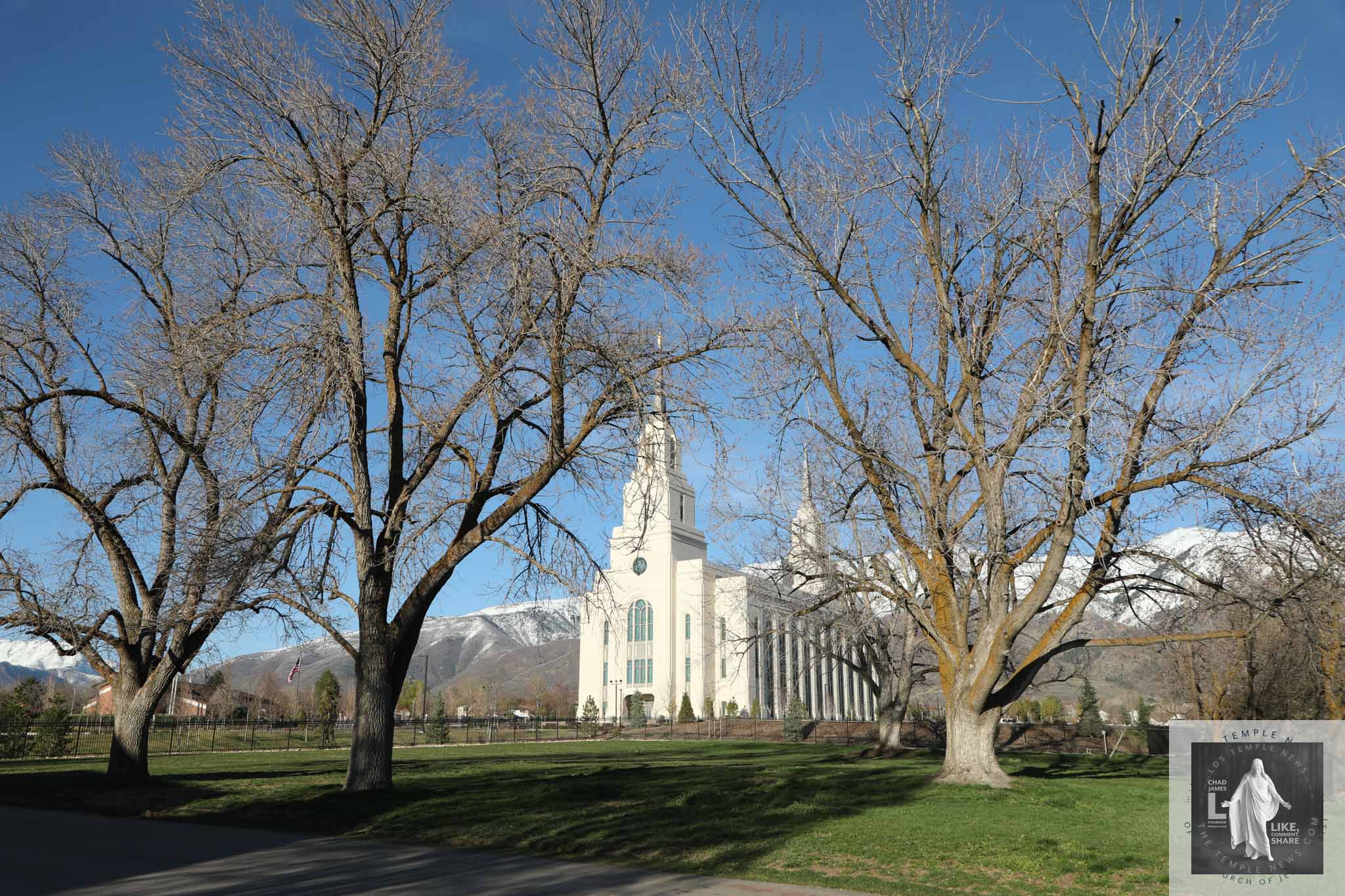
Exploring the Layton Utah Temple
The Layton Utah Temple stands as the 195th dedicated temple in operation and is located at 1400 Oak Hills Dr, Layton, Utah 84040. Encompassing 11.18 acres, this impressive House of the Lord showcases a blend of philosophical and architectural influences reflective of its surroundings.
Architectural Features
Building on traditions of Latter-day Saint architecture, the exterior finish of the Layton Utah Temple consists of precast concrete panels. Its design incorporates motifs inspired by the region’s agricultural legacy, combined with elements from the European Art Nouveau movement. Elements like organic shapes and floral motifs can be seen, capturing the essence of fruit trees and blossoms that are integral to the agrarian culture of Layton City.
With a height of 215 feet, the temple features two attached end spires crowned with a gold-leafed Angel Moroni statue. The cascading arched windows soften the geometric lines of this stunning House of the Lord, enhancing its visual appeal.
Interior Design and Artwork
Inside, the Layton Utah Temple boasts an extensive area of 93,539 square feet with four instruction rooms, six sealing rooms, and one baptistry. The temple reflects the beauty of nature through its interior design, which echoes elements of the outside environment. The millwork includes intricate details inspired by fruit tree blossoms and leaves.
The art glass windows within the temple complement the exterior motifs, featuring designs of stylized seedlings, blossoms, and leafy branches. A notable highlight is the antique Tiffany art glass piece entitled “The Resurrection,” originally from a United Presbyterian Church in New York, which adds historical significance to the interior.
In keeping with the artistic theme, the carpeting throughout is made in the USA and showcases a mix of cream, gold, and green tones, while area rugs in various spaces reflect the Art Nouveau style with vibrant colors and organic designs.
Landscaping and Surroundings
The grounds of the Layton Utah Temple encompass more than 400 trees, including shade, flowering, and evergreen varieties. These are complemented by thousands of shrubs and perennials, creating a natural and inviting setting. A beautiful granite fountain enhances the landscape, while the plaza features pavers that draw inspiration from the large entry windows, creating a cohesive connection to the temple’s design.
Historical Context
The announcement of the Layton Utah Temple occurred on April 1, 2018, during the 188th General Conference by Church President Russell M. Nelson. Although the groundbreaking was originally set for May 30, 2020, it took place a week earlier on May 23, 2020, following guidelines related to the COVID-19 pandemic. The temple was dedicated by Apostle David A. Bednar on June 16, 2024, marking its official opening.
The interior spaces not only highlight beautiful motifs but also include original artworks, such as “Zion’s Mount” by Josh Clare, “Layton Morning” and “Layton Evening” by David Dibble, as well as pieces by other notable artists.
The Layton Utah Temple serves as a remarkable symbol of faith and artistry, inviting individuals to engage with its rich history and serene design.