
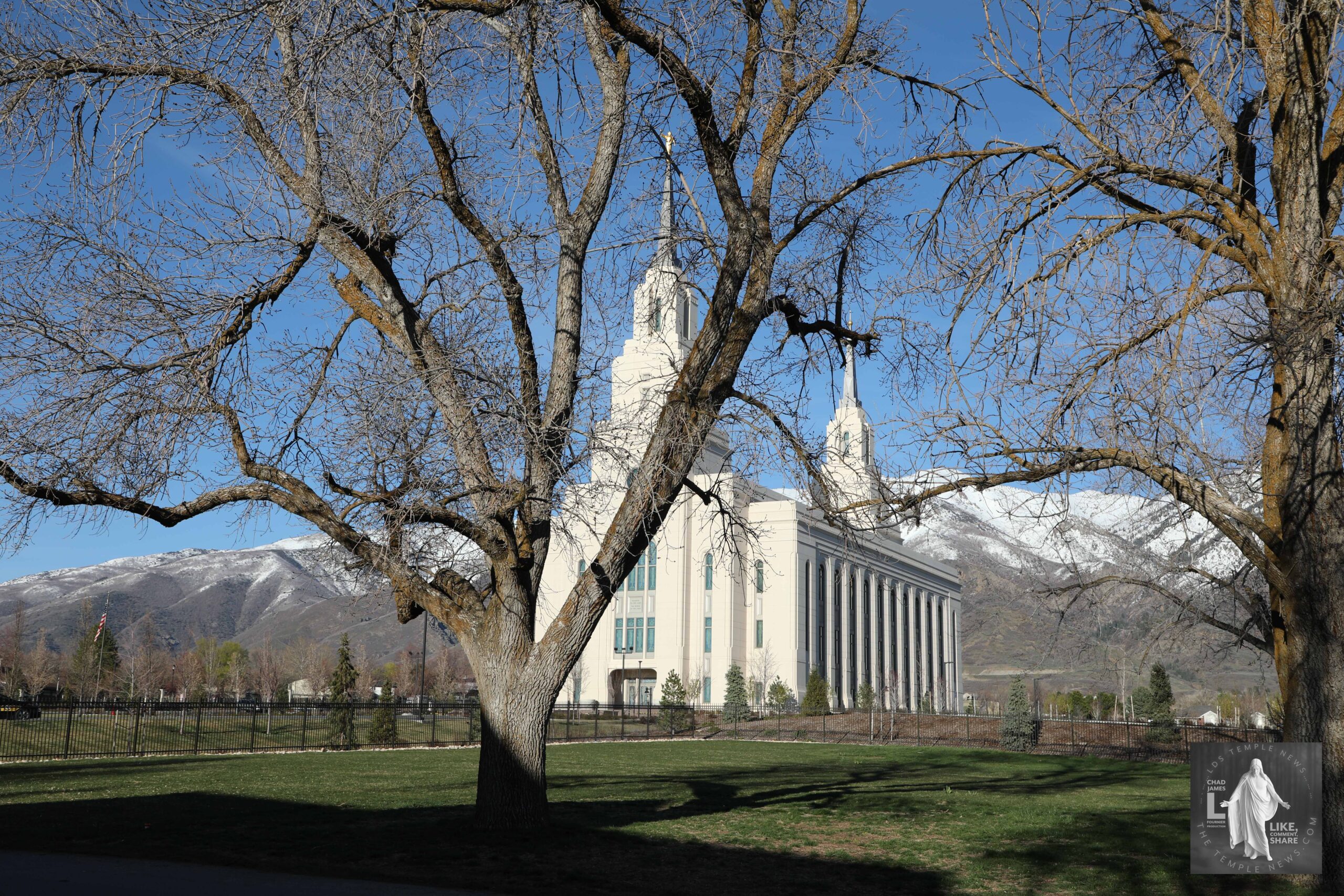
Layton Utah Temple: A Distinctive House of the Lord
The Layton Utah Temple stands as the 195th dedicated temple in operation, offering a serene and spiritually enriching environment. Located at 1400 Oak Hills Dr, Layton, Utah 84040, this House of the Lord spans an impressive 11.18 acres and exemplifies both architectural elegance and historical significance.
Architectural Beauty Inspired by Heritage
The exterior of the Layton Utah Temple is adorned with precast concrete panels. Its design draws inspiration from traditional Latter-day Saint architecture, reflecting the agricultural roots of the Layton City area while incorporating elements of European Art Nouveau, also known as Secessionism Architecture. This distinctive style is visible in the organic shapes, floral motifs, and softer lines featured throughout the building. Abstractions of local flora, including seedlings, fruit blossoms, and leafy fruit trees, are portrayed in an Art Nouveau style, particularly evident in the exterior friezes and cascading arched windows, which soften the temple’s form.
Key Features of the House of the Lord
The Layton Utah Temple boasts a towering height of 215 feet and sits at an elevation of 4,468 feet. Inside, visitors can find four instruction rooms, six sealing rooms, and one baptistry, all within 93,539 square feet of thoughtfully designed space.
The temple features two distinctive end spires, topped with a gold-leafed Angel Moroni Statue, symbolizing hope and divine guidance. The interiors are richly embellished, reflecting the theme of growth and nature through art glass stained windows, which depict a seedling evolving into a fruit tree.
Grounds of the Temple
The temple grounds are meticulously landscaped, home to over 400 shade, flowering, and evergreen trees, along with thousands of shrubs and perennials. A granite fountain adds a tranquil element, with water gracefully cascading, creating a peaceful atmosphere.
Historical Background and Dedication
The announcement of the Layton Utah Temple took place on April 1, 2018, during the 188th General Conference by Prophet Russell M. Nelson. Although the groundbreaking was initially set for May 30, 2020, it was held early on May 23 due to public health concerns surrounding the COVID-19 pandemic. This decision emphasized the need for safety while allowing the construction to advance.
On June 16, 2024, the temple was dedicated by Apostle David A. Bednar following an open house that ran from April 19, 2024, to June 1, 2024.
Interior Design Elements
Inside the temple, the decor harmonizes with its natural themes. The millwork is intricately designed, featuring details inspired by fruit tree blossoms and leaves. Organic curves characterize the light fixtures, and decorative painting incorporates floral patterns in gold and beige. The overall effect is warm, inviting, and reflective of the beauty of nature.
The carpeting, made from broadloom nylon, consists of cream, gold, and green tones, while area rugs scattered throughout reflect the Art Nouveau style with vibrant colors and stylized organic designs. Stone quarried in Turkey and milled in China enhances high-traffic areas, showcasing a unique blend of Burder Grey and Burder Blanco, featuring a leaf pattern that adds to the aesthetic richness.
Artistic Contributions
The Layton Utah Temple also showcases an array of original artworks, some specifically created for the temple. Notable pieces include:
- “Zion’s Mount” — Josh Clare
- “Layton Morning” — David Dibble
- “Layton Evening” — David Dibble
- “Ascension of Christ” — Michael Malm
- “Beside the Creek” — Ken Stockton
- “Mountains In Winter – Farmington Utah” — LeConte Stewart
- “Winter in Liberty” — LeConte Stewart
These artworks enrich the overall experience of the temple, offering reflective moments amidst the stunning architecture and design.
In summary, the Layton Utah Temple is not only a place of divine significance but also a celebration of art, culture, and community ties, earning its place as an essential part of the local landscape and heritage.