The Temple Square Visitor Center: Salt Lake City’s Center of Faith and Architecture
Overview
The Temple Square Visitor Center in Salt Lake City, Utah, stands as one of the most visited religious sites in the United States. Located adjacent to the iconic Salt Lake Temple, the visitor center welcomes approximately 500,000 visitors annually, making it a major cultural and religious landmark in the heart of Utah’s capital city.
A Hub for Religious Tourism
Operated by The Church of Jesus Christ of Latter-day Saints (commonly known as the LDS Church), the visitor center serves as the primary gateway for tourists seeking to learn about the faith and its history. The facility features exhibits, multimedia presentations, and knowledgeable staff members ready to engage visitors in discussions about church doctrine and history.
The Underground Baptistry: Purpose and Significance
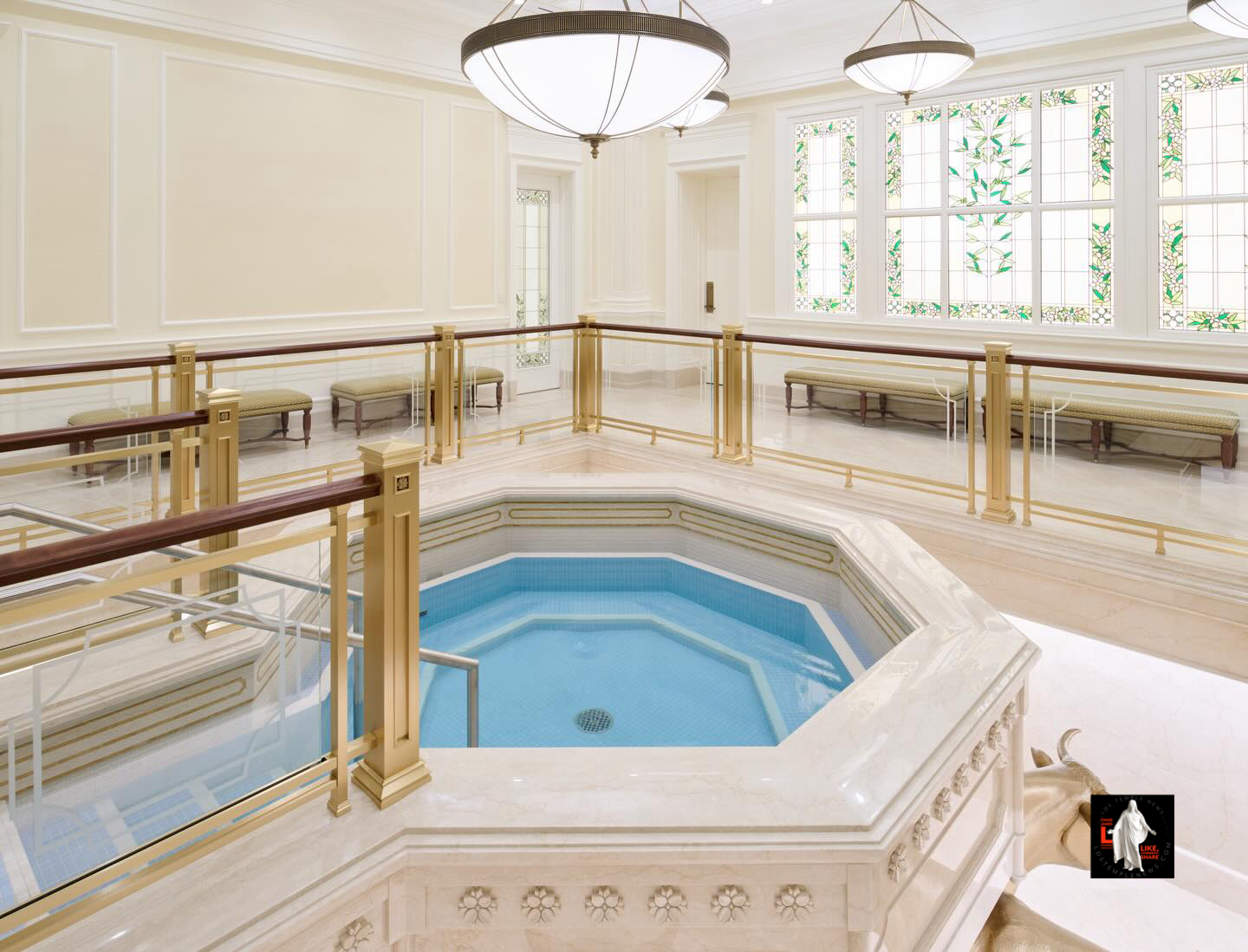
One of the most distinctive features of the Temple Square Visitor Center is its underground baptistry—a ceremonial baptismal font located beneath the main structure. This facility deserves special attention, as it represents both practical necessity and spiritual significance.
Why Underground?
Sacred Space Separation
The baptistry’s underground location reflects LDS architectural tradition. In LDS theology, baptism by immersion holds profound spiritual importance as a core ordinance (religious rite) of the faith. The subterranean placement creates a sanctified space physically separated from secular visitor areas, establishing clear boundaries between sacred religious practice and public education.
Practical Accessibility
The underground design allows the visitor center to accommodate actual religious ceremonies while simultaneously functioning as a public museum. Visitors touring the main visitor center can learn about LDS beliefs without disrupting those participating in baptismal ordinances below.
The Baptismal Font
The baptistry features a distinctive baptismal font—a large ceremonial basin typically supported by ornamental figures, often representing oxen or similar symbolic creatures. This design echoes the biblical description of Solomon’s Temple in the Old Testament, connecting contemporary LDS practice to ancient religious traditions.
The Baptistry’s Function
The visitor center’s baptistry serves a crucial role in LDS practice. Church members and converts can perform baptism by immersion—a central ordinance in the faith. Importantly, this facility provides an accessible location for baptisms outside of temples, making the ordinance available to a wider range of people.
Visitor Center Exhibits and Features
Beyond the baptistry, the visitor center offers:
- Interactive Displays: Information about LDS history, beliefs, and modern church initiatives
- Media Presentations: Films and videos explaining core doctrines
- The Christus Statue: A prominent replica of Bertel Thorvaldsen’s famous Christ sculpture
- Architectural Tours: Information about Temple Square’s design and significance
- Knowledgeable Staff: Missionaries and staff members available for discussions
Temple Square: The Broader Context
The visitor center exists within the 35-acre Temple Square complex, which includes:
- The Salt Lake Temple (completed 1893)
- The Salt Lake Tabernacle (iconic domed structure)
- Historic buildings and monuments
- Beautifully landscaped grounds
This coordinated religious campus represents over 150 years of LDS history and remains a symbol of the church’s establishment in Utah.
Architectural Innovation
The Temple Square Visitor Center, built in the 1990s and renovated in recent years, demonstrates modern religious architecture. Its design balances accessibility with reverence, allowing secular tourism while protecting sacred spaces. The underground baptistry exemplifies this balance—it’s simultaneously hidden from casual view and fully functional for its intended purpose.
Visiting Information
The Temple Square Visitor Center offers free admission and is open to the public year-round. Visitors of all faiths are welcome, making it a valuable resource for those curious about LDS beliefs and Utah’s religious heritage.