The Salt Lake Temple Square Visitor Center: Architecture and Sacred Spaces
Overview
Temple Square in Salt Lake City stands as one of the most visited religious sites in the United States, attracting nearly one million visitors annually. The Visitor Center, a modern architectural addition to this historic space, serves as the primary entry point for tourists and members of The Church of Jesus Christ of Latter-day Saints (LDS Church). Beyond its informational purpose, the Visitor Center houses facilities that reflect the spiritual priorities of the faith, including a notable underground baptistry.
The Visitor Center’s Purpose and Design
Completed in 1978, the Salt Lake Temple Square Visitor Center was designed to accommodate the growing number of visitors to Temple Square while maintaining the sacred atmosphere of the complex. The building provides exhibitions, films, and guided tours that explain church history, doctrine, and the significance of the temple. Its central location makes it an essential hub for visitors navigating the 10-acre square that has been the spiritual heart of the LDS Church since its founding in 1847.
Understanding the Underground Baptistry
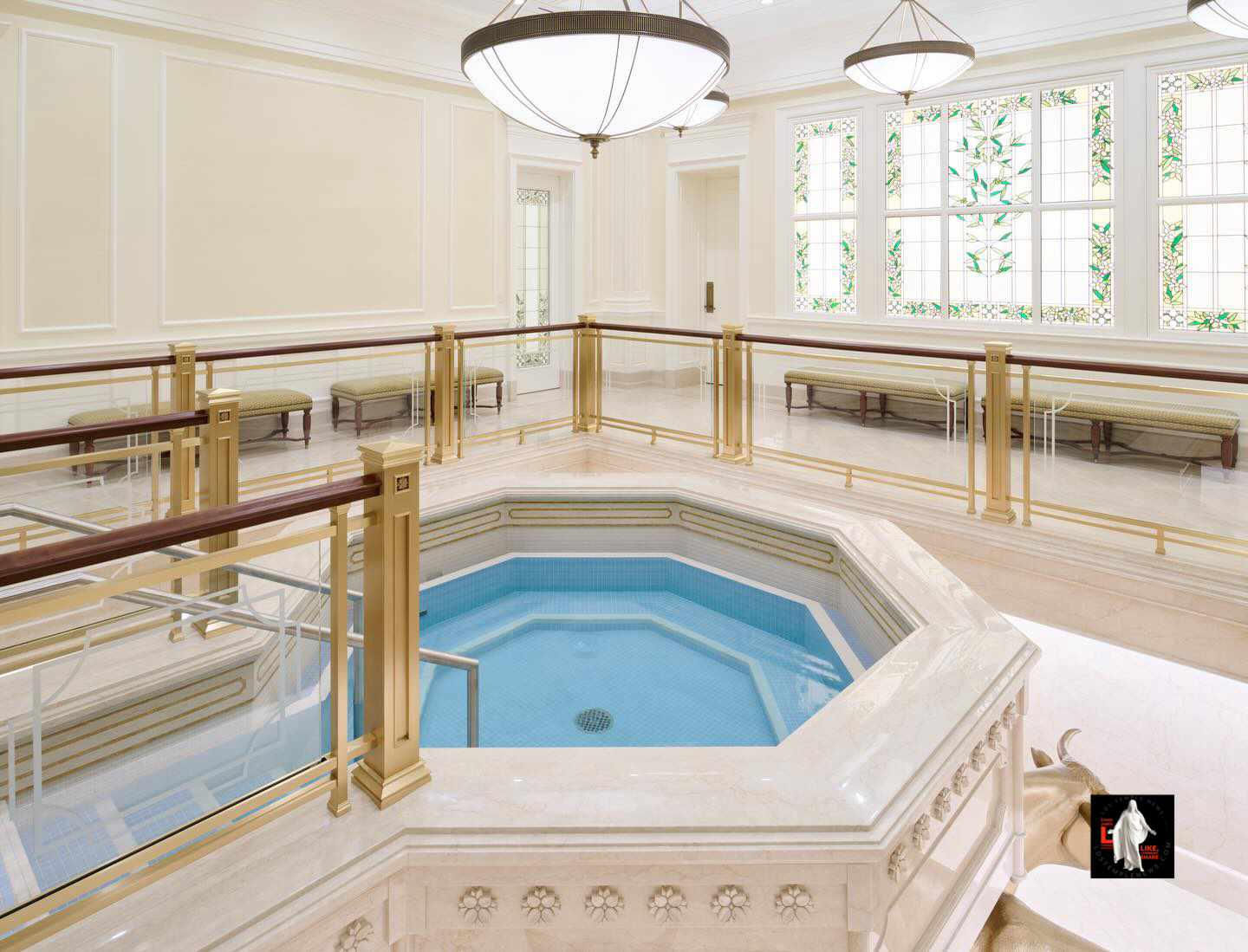
One of the Visitor Center’s most distinctive features is its underground baptistry—a practical and theologically significant addition that may puzzle first-time visitors.
Religious Significance
For members of the LDS Church, baptism represents a crucial ordinance (religious ceremony) and is considered a fundamental step in their faith journey. According to LDS doctrine, baptism symbolizes:
- Covenant-making: A formal commitment between an individual and God
- Cleansing and renewal: A spiritual rebirth and fresh start
- Entry into the Church: Official membership and belonging to the faith community
Proxy Baptism for the Deceased
The underground baptistry’s primary purpose centers on a distinctive LDS practice: baptism for the dead. This practice, rooted in the church’s belief in proxy ordinances, allows living members to be baptized on behalf of deceased ancestors or individuals who never had the opportunity to receive baptism during their lifetimes.
According to LDS theology, individuals who die without hearing or accepting the gospel are given opportunities in the afterlife to accept it. Living members can perform baptisms on their behalf, with the deceased person then having the choice to accept or reject the ordinance in the spirit world.
Why Underground?
The placement of the baptistry beneath the Visitor Center serves several practical and symbolic purposes:
- Reverence and Separation: Underground location emphasizes the sacred nature of the ordinance by creating physical and spiritual separation from the secular visitor experience above
- Climate Control: Basements provide natural temperature regulation, important for maintaining a baptismal font year-round
- Operational Efficiency: Positioning it below ground allows unobstructed use during visitor hours without disrupting the Visitor Center’s educational functions
- Practical Access: Members can access the baptistry discreetly without interfering with the public tour experience
The Baptismal Font
The baptistry itself centers on a distinctive baptismal font, typically a large pool or basin. In LDS temples and visitor centers, these fonts are often architecturally significant, sometimes featuring symbolic animal supports or elaborate designs. The font design frequently incorporates representations of oxen, referencing biblical symbolism and temple tradition.
Integration with Temple Square
The Visitor Center’s baptistry demonstrates how the LDS Church integrates its spiritual practices with public-facing spaces. While the main Salt Lake Temple contains more elaborate baptistries and other sacred ordinance rooms, the Visitor Center’s baptistry serves an important function in making proxy baptism accessible to members who may not hold temple recommends (approval for full temple entry).
This layered approach allows:
- Tourists to experience the Visitor Center and learn about the church
- Members to participate in sacred ordinances
- Both groups to move through the space without significant conflict
Modern Significance
Today, the Visitor Center and its baptistry continue to serve thousands of people annually. The baptistry remains relatively unknown to casual visitors, as its significance is primarily for church members. However, it represents an important architectural and theological feature of modern LDS sacred spaces.
The underground baptistry exemplifies how religious institutions design spaces that balance public engagement with private spiritual practice. It’s a reminder that many of the most meaningful religious activities occur quietly, away from public view, even in highly visible locations.