
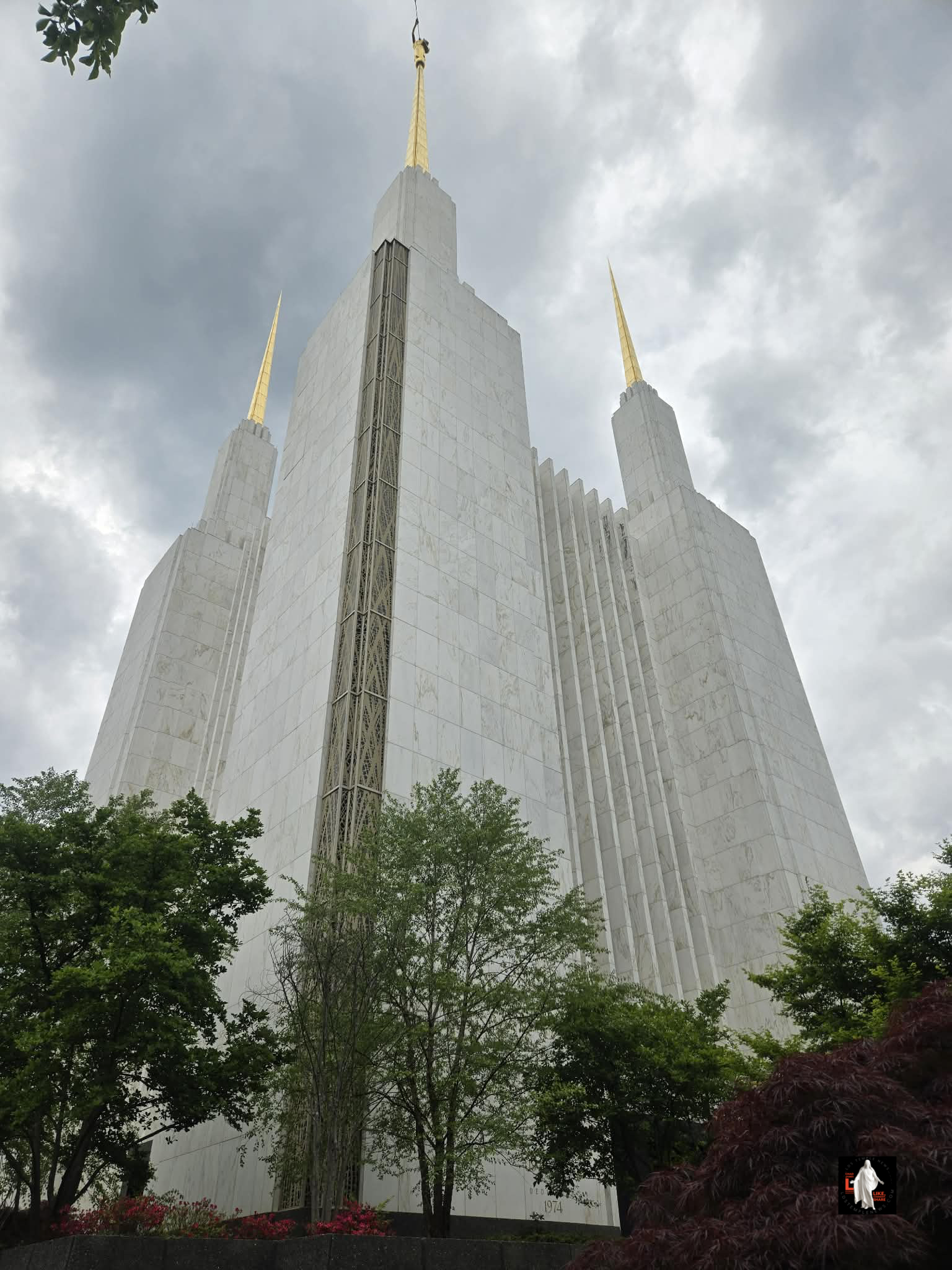
Reports on Washington D.C. Temple Photography by LDS Temple News
The Washington D.C. Temple, the 16th Temple of The Church of Jesus Christ of Latter-day Saints, stands as a notable fixture in Kensington, Maryland. Nestled on 52 acres at 9900 Stoneybrook Dr, this remarkable site captivates many with its breathtaking architecture and rich history.
A Brief History
The journey of the Washington D.C. Temple began with its announcement on November 15, 1968. Just weeks later, on December 7, 1968, Hugh B. Brown dedicated the site, marking the beginning of a significant chapter in the church. The public first experienced the Temple from September 17, 1974 through November 2, 1974, with an impressive turnout of 758,328 guests. This first open house showcased the unique features and beauty of the House of the Lord.
Dedication and Renovation
The Temple was officially dedicated from November 19-22, 1974 by Prophet Spencer W. Kimball. After nearly five decades, a second dedication took place on August 14, 2022 led by Prophet Russell M. Nelson, further solidifying its importance.
Architectural Marvel
Standing tall at 288 feet with a total area of 156,558 square feet, the Washington D.C. Temple is the tallest of its kind within the Church. Its exterior features reinforced concrete clad in an impressive 173,000 square feet of Alabama White Marble, giving it a grand presence against the skyline.
Washington D.C. Temple Unique Features
The Washington D.C. Temple is distinctive in several ways. It is the first instance in the eastern United States and specifically in Maryland to have such a facility. Notably, it was the first Temple to include six spires since the Salt Lake Temple.
Room Configuration
This Temple is among only four to have six instruction rooms, and it remains the sole one outside of Utah. Additionally, it features ten sealing rooms and a baptistry, meticulously designed to accommodate various ceremonial activities.
Ornate Design
The Temple is adorned with beautiful stained glass windows that depict vibrant colors ranging from oranges and reds to translucent blues and violets. These windows symbolize the unbroken journey towards divine experiences offered through the gospel.
Symbolic Elements
Eight bronze medallions, located on the gates and doors, embody themes of creation and the afterlife. The imagery includes the Big Dipper, North Star, and various celestial bodies, collectively representing eternity and the seven dispensations.
An Evolving Legacy
Originally known as the Washington Temple, this site was renamed in 1999, furthering its identity within the faith. Remarkably, it is one of only five temples to feature an 18-foot tall angel Moroni statue, holding the gold plates in his left hand and a trumpet in his right. The other temples featuring this angel are located in Los Angeles, Utah, Seattle, and Mexico City.
Special Accommodations
When the Washington D.C. Temple first opened, it provided overnight endowment sessions from Friday evening through Saturday to cater to the influx of attending members for just a couple years.
With its impressive design, important historical moments, and spiritual significance, the Washington D.C. Temple continues to be a place of profound meaning and for those who appreciate its exceptional beauty and commitment to faith.