
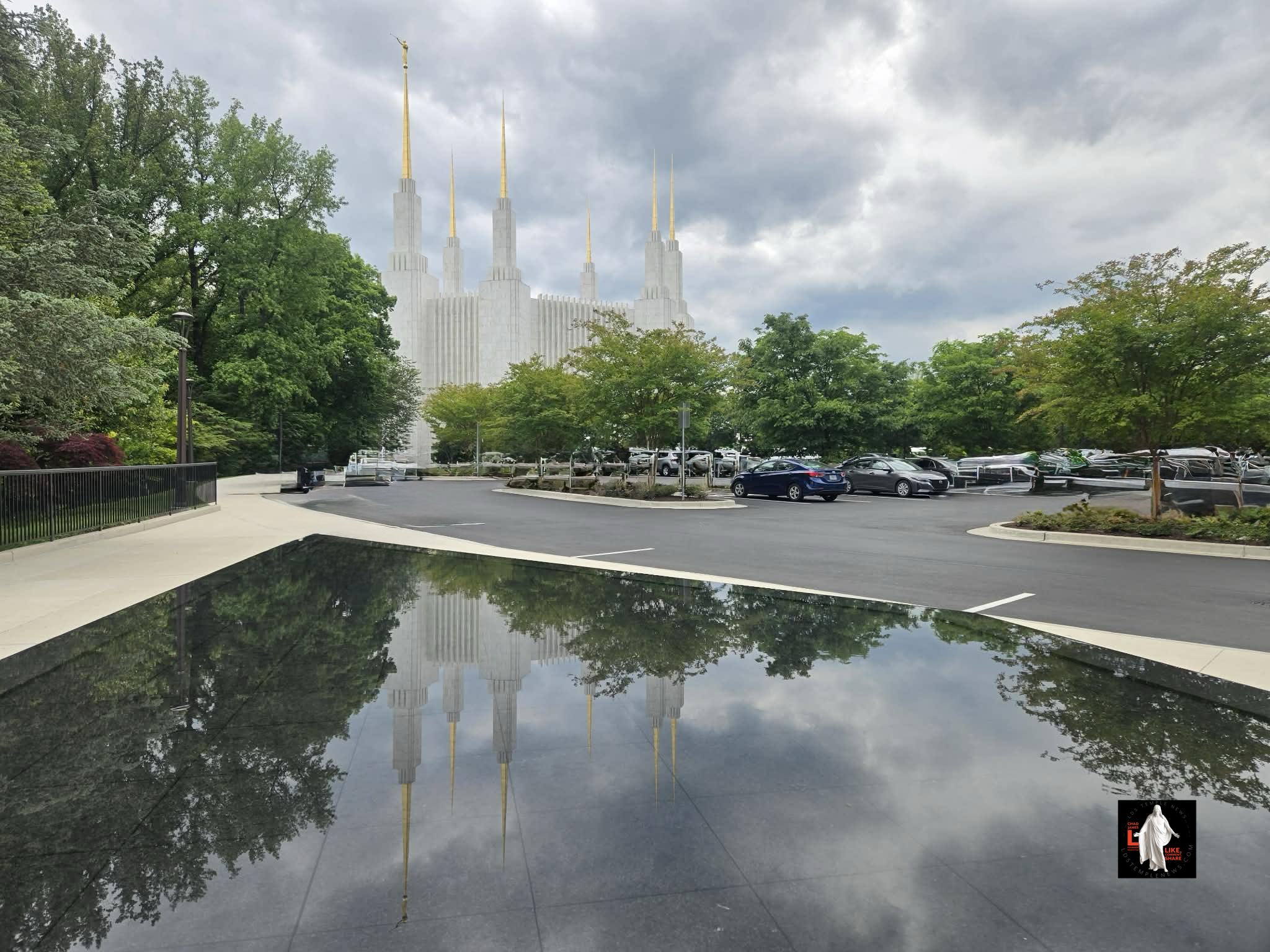
Washington D.C. Temple Photography in focus by LDS Temple News
The Washington D.C. Temple, located at 9900 Stoneybrook Dr, Kensington, Maryland, is the 16th Temple of The Church of Jesus Christ of Latter-day Saints. This remarkable site holds a rich history and offers many captivating features for those interested in its design and significance.
A Brief History
The Washington D.C. Temple was officially announced on November 15, 1968. A groundbreaking ceremony led by Hugh B. Brown followed on December 7 of the same year, marking the beginning of its construction. This Temple, which occupies an expansive 52 acres, first opened its doors to the public from September 17 to November 2, 1974. In this period, it welcomed an impressive 758,328 guests who took the opportunity to explore its many offerings.
Dedications and Open Houses
The dedication of the Washington D.C. Temple took place over several days, from November 19 to November 22, 1974, under the leadership of Prophet Spencer W. Kimball. This significant event set the stage for further developments, including a second dedication on August 14, 2022, conducted by Prophet Russell M. Nelson. The Temple’s second public open house was recently held from April 28 to June 11, 2022, attracting approximately 340,000 guests.
Architectural Features
Design and Materials
The striking exterior of the Washington D.C. Temple is characterized by reinforced concrete sheathed in 173,000 square feet of Alabama White Marble. Rising to a height of 288 feet, it holds the title of the tallest Temple in the Church.
Spires and Symbolism Washington D.C. Temple
Notably, this Temple is the first to feature six spires since the iconic Salt Lake Temple was constructed. With this feature, it stands out among other Temples and is one of only four with a total of six instruction rooms—making it unique outside of Utah.
Iconic Angel Moroni Statue
An 18-foot statue of the angel Moroni is perched atop, differentiating it as one of only five temples featuring such a design. This figure holds gold plates in its left hand and a trumpet in its right, serving as a beacon of faith and inspiration.
Interior Highlights
Within its expansive 156,558 square feet, the Washington D.C. Temple houses six instruction rooms, ten sealing rooms, and one baptistry. Its interior design includes captivating stained glass that runs the length of the end towers, showcasing a vibrant array of colors. These windows symbolize the journey toward the divine and the purification that comes from rising above earthly challenges.
Medallions and Thematic Elements
Eight bronze medallions adorn both the gates and doors of the Temple, beautifully representing themes of creation, mortality, and the degrees of glory. Iconic celestial elements such as the Big Dipper, North Star, and the sun are depicted, enriching the spiritual experience.
Floors and Functions
The seven floors of the Washington D.C. Temple represent the six days of creation along with a day of rest, emphasizing the Temple’s spiritual significance. When it first opened, the Temple offered overnight endowment sessions from Friday to Saturday to accommodate many who traveled to experience its offerings for a couple of years.
Conclusion
The Washington D.C. Temple is not only an architectural marvel but a significant House of the Lord steeped in history and meaning. Its impressive design, rich symbolism, and vibrant community connections make it an important part of the cultural and spiritual landscape in the region. As time progresses, the significance of this Temple continues to grow, inviting exploration and reflection.