Discovering the Washington D.C. Temple: A Testament to Faith and Architecture
The Washington D.C. Temple, the 16th Temple of The Church of Jesus Christ of Latter-day Saints, stands proudly at 9900 Stoneybrook Dr, Kensington, Maryland. With a rich history and eye-catching design, it draws both admirers of architecture and those seeking spiritual connection. Let’s delve into this remarkable site, exploring its history, design, and significance in the region.
A Historical Overview
Early Announcements and Groundbreaking
The journey of the Washington D.C. Temple began on November 15, 1968, when the announcement was made. This moment marked a new chapter in the area, setting the stage for something monumental. The groundbreaking and site dedication happened shortly after, on December 7, 1968, led by Hugh B. Brown.
Opening and Public Inspecting
After years of anticipation, the Temple first opened its doors to the public from September 17, 1974, through November 2, 1974. An impressive 758,328 guests toured the Temple during this period. Fast forward to 2022, and the second public open house took place from April 28 to June 11, drawing in 340,000 guests.
The dedication of the Washington D.C. Temple took place across four days, from November 19-22, 1974, presided over by Prophet Spencer W. Kimball. Over four decades later, a second dedication was held on August 14, 2022, by Prophet Russell M. Nelson.
Architectural Marvel
Dimensions and Design
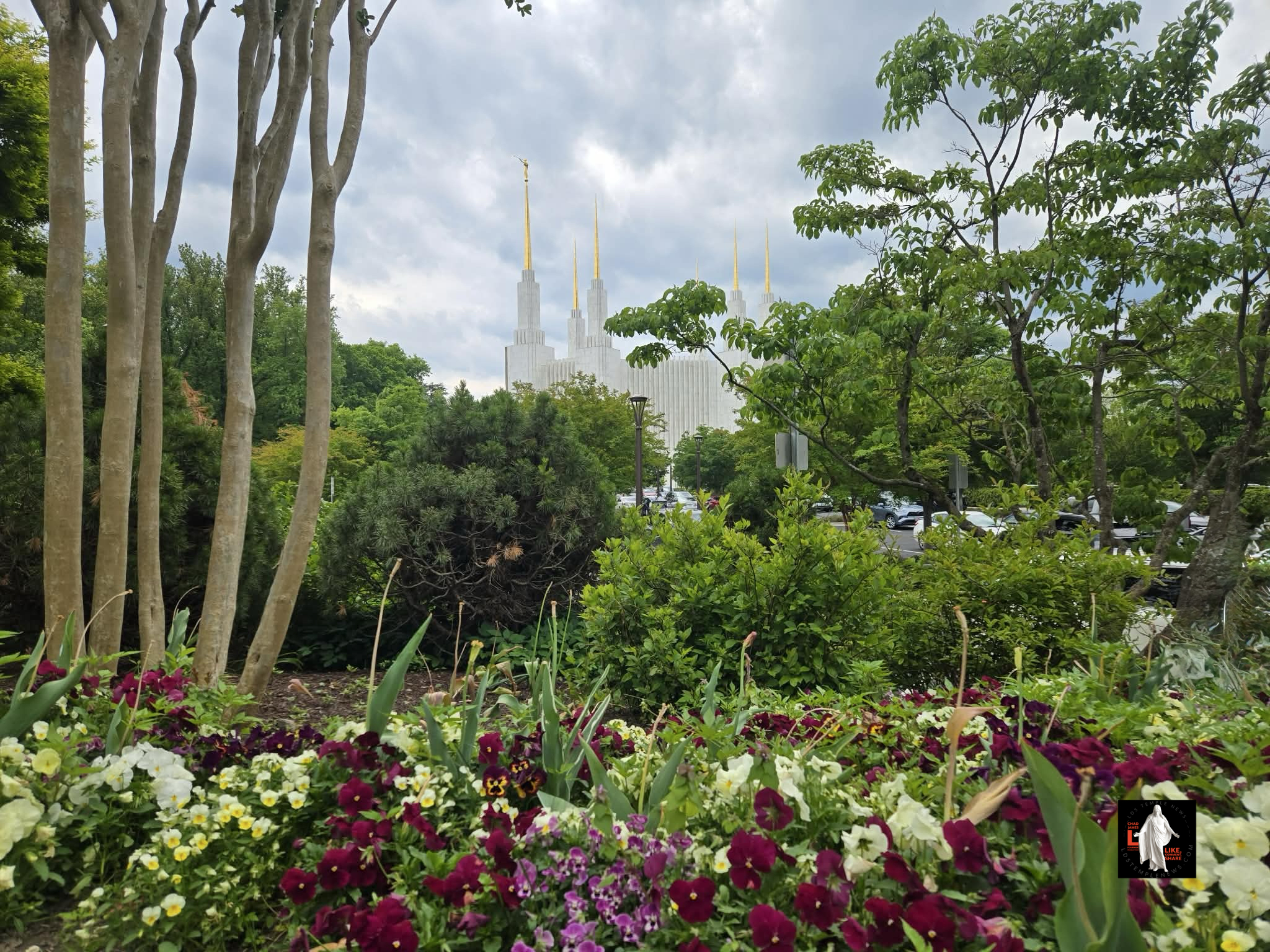
Spread across 52 acres, the Washington D.C. Temple covers an impressive 156,558 square feet and reaches a height of 288 feet, making it the tallest Temple within the Church. Its exterior features reinforced concrete sheathed in 173,000 square feet of Alabama White Marble, contributing to its stunning visual appeal.
The design includes six instruction rooms, ten sealing rooms, and one baptistry, marking it as one of only four Temples with six instruction rooms—one found outside of Utah. Furthermore, this particular Temple is celebrated for being the first built in the eastern states and the first in Maryland, solidifying its role in the spiritual landscape of the region.
Unique Features
The Washington D.C. Temple is distinguished by its six spires, a feature not seen since the construction of the Salt Lake Temple. It also boasts a striking angel Moroni statue, which stands at 18 feet, holding gold plates in his left hand and a trumpet in his right. This notable design sets it apart—only four other Temples possess an angel Moroni statue of this design.
The bronze medallions adorning both the gates and doors further illustrate the rich symbolism associated with this location. They depict aspects of creation, mortality, and the degrees of glory, showcasing elements like the Big Dipper and North Star, providing an enriching visual narrative.
Washington D.C. Temple Stained Glass Art
Beautiful stained glass runs the length of the end towers in vivid hues of oranges, reds, translucent blues, violets, and whites. This artistry represents the continuous journey toward the divine, embodying the purity that enters one’s life as they aspire to spiritual heights.
The Legacy of Washington D.C. Temple
Influence Over the Years
The Washington D.C. Temple has played an important role since its inception. Not only does it serve as a destination for Temple work and weddings, but it has also become a place where many gather for reflection and learning. When it first opened, overnight endowment sessions were offered from Friday through Saturday, accommodating the flow of attendees over the weekend for the first two years.
A Testament to Faith
With its historical significance and architectural brilliance, the Washington D.C. Temple remains an iconic site in the hearts and minds of those who cherish it. Its ongoing journey continues to inspire individuals and families alike.
In summary, the Washington D.C. Temple is more than an architectural feat; it is a living testament to a community’s enduring faith and devotion. Whether appreciated for its striking design or its rich history, this place leaves a lasting impression on all who encounter it.