
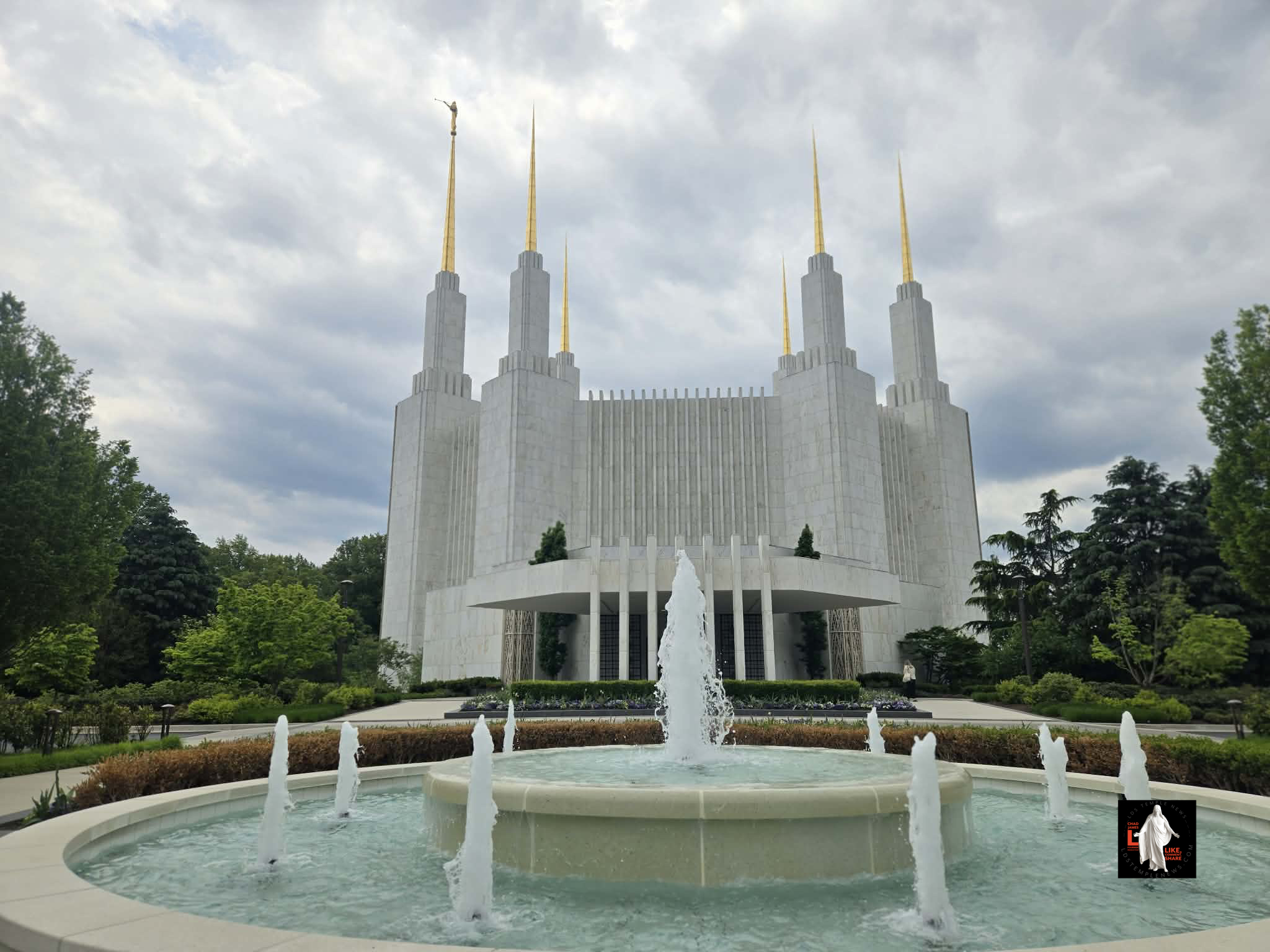
Exploring the Washington D.C. Temple: A Marvel of Faith and Design
The Washington D.C. Temple holds a special place in the landscape of the capital. As the 16th Temple of The Church of Jesus Christ of Latter-day Saints, its design and history reflect meaningful architectural and spiritual concepts.
A Historical Perspective
The journey of the Washington D.C. Temple began on November 15, 1968, when it was first announced to the public. The groundwork was laid shortly thereafter, with the site dedicated on December 7, 1968, by Hugh B. Brown. Its public debut was a significant moment, attracting over 758,328 guests during the open house from September 17, 1974, to November 2, 1974. Through its history, the Temple has become a central figure in the fabric of the surrounding area.
Architectural Wonder
Boasting an impressive 156,558 square feet, the Washington D.C. Temple stands at a height of 288 feet, making it the tallest Temple in The Church of Jesus Christ of Latter-day Saints. Its exterior is adorned with 173,000 square feet of Alabama White Marble, contributing to its radiant appearance. Notably, the structure covers 52 acres, providing a vast setting for contemplation and reflection.
Unique Features Washington D.C. Temple
This site is distinguished by six spires, a feature it shares with the Salt Lake Temple. The Washington D.C. Temple is one of only four temples with six instruction rooms, all notable for their size and configuration. The interior includes ten sealing rooms and a baptistry, creating a diverse environment for various sacred activities.
Angel Moroni Statue: This Temple is one of only five that features the striking angel Moroni statue, which stands at 18 feet tall, holding gold plates in one hand and a trumpet in the other. This unique portrayal enhances the Temple’s significance within the faith community.
Significance of Design Elements
The Washington D.C. Temple is not only remarkable for its size but also for its aesthetic qualities. Beautiful stained glass windows run the length of the end towers, showcasing a spectrum of colors including oranges, reds, translucent blues, and violets, culminating in striking whites. These elements symbolize the journey toward divine light, representing purity and spiritual elevation.
Symbolic Decorations
Eight bronze medallions adorn the gates and doors, encapsulating themes of creation and mortality. The medallions depict celestial phenomena such as the Big Dipper and the North Star, alongside the earth, planets, and the sun. Additionally, concentric circles and pentagons represent eternal life and the passage of history, further enriching the Temple’s artistic narrative.
Relation to Creation
The Temple’s seven floors represent the six days of creation along with the day of rest, emphasizing its foundational beliefs. When it first opened, overnight sessions were offered from Friday through Saturday, catering to the many members who traveled to participate in activities over the weekend for a few years..
Transformative Experience
The Washington D.C. Temple has undergone developments over the years, including a second public open house from April 28, 2022, to June 11, 2022, which welcomed around 340,000 guests. Its first dedication took place from November 19 to November 22, 1974, led by the Prophet Spencer W. Kimball, and it was rededicated on August 14, 2022, by the Prophet Russell M. Nelson, marking its ongoing importance to the church.
In summary, the Washington D.C. Temple stands not only as a prominent feature in the Maryland landscape. It continues to serve as a vital Temple for members in the area.