
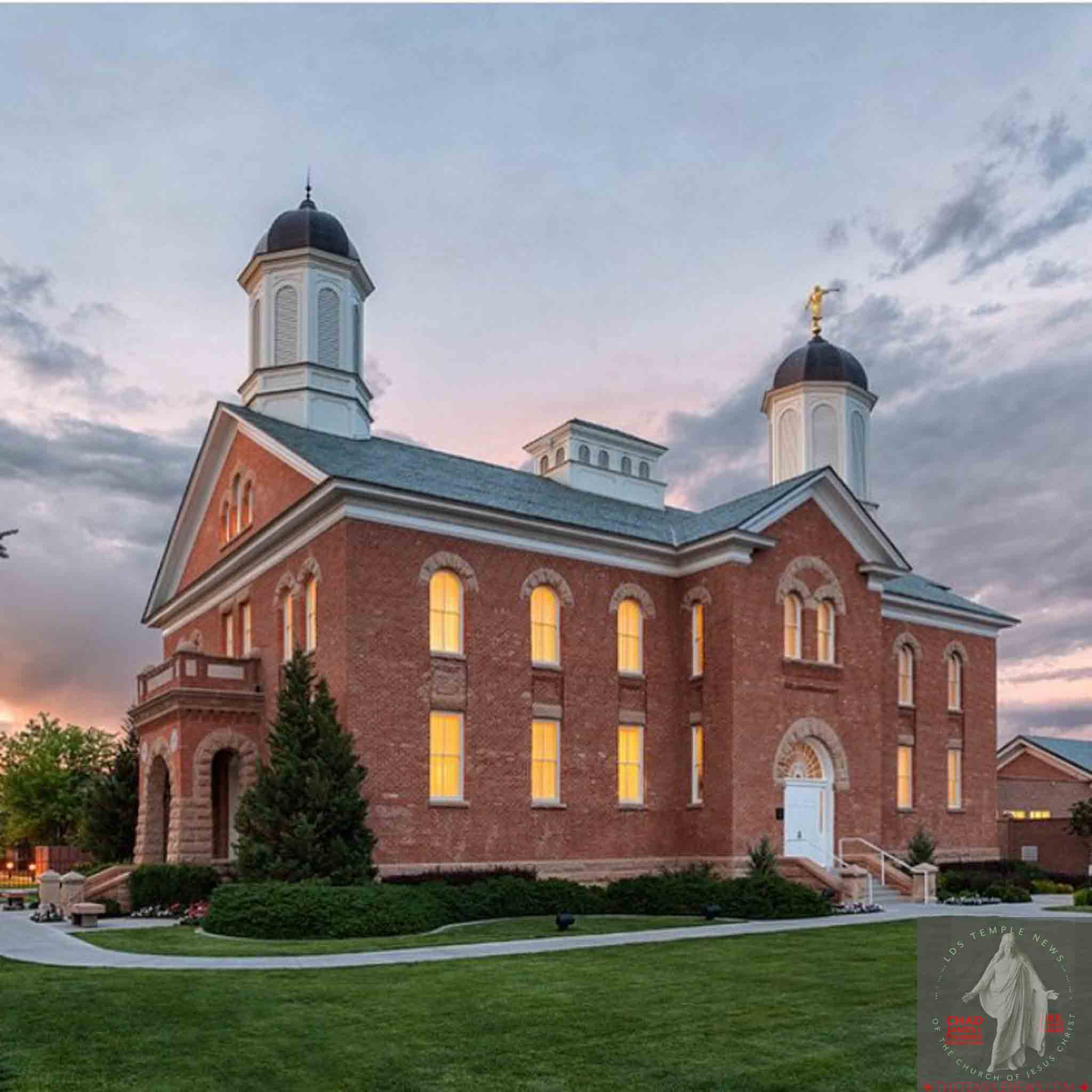
Discovering the Vernal Utah Temple
The Vernal Utah Temple stands as the 51st dedicated Temple in operation, located at 420 W 200 S Vernal, Utah 84078. Its journey began on February 13, 1994, when it was first announced. The temple intricately weaves history and modern architecture together, offering a unique perspective on faith and community.
Historical Significance Vernal Utah Temple
Groundbreaking and site dedication occurred on May 13, 1995, led by the Prophet Gordon B. Hinckley. A momentous public open house took place from October 11 to October 25, 1997, attracting 18,000 attendees eager to explore its remarkable features. The dedication followed shortly thereafter, spanning from November 2 to November 4, 1997, again officiated by President Hinckley.
Architectural Features
Covering 38,771 square feet and boasting a height of 98 feet, the temple is beautifully situated on 1.6 acres of land. Its architectural elements are significant, featuring two attached end towers crowned by a stunning gold leafed Angel Moroni Statue. Inside, the Vernal Utah Temple includes two instruction rooms, three sealing rooms, and one baptistry, all designed to provide space for meaningful engagements.
Historical Roots Vernal Utah Temple
Notably, the Vernal Utah Temple is built within the framework of the pioneer-built Uintah Stake Tabernacle, making it the first example of a temple constructed from an existing building. The tabernacle, which had fallen into disrepair by the early 1980s, had not hosted a stake conference since 1983. In 1907, President Joseph F. Smith delivered words that would resonate for generations, expressing his belief that a temple could one day rise in Vernal. This vision was fulfilled when the current temple was dedicated, marking its historic significance with the years 1907 and 1997.
A Unique Transformation
The idea to transform the Uintah Stake Tabernacle into the Vernal Utah Temple was first introduced by leaders of the Vernal Utah Glines Stake back in 1984. Initially rejected by the First Presidency, the proposal re-emerged in 1993 and garnered the necessary approval. This revival of vision reflects the evolving needs and aspirations of the local faithful.
Beyond the Building
Situated just two blocks south of Main Street, the Vernal Utah Temple enhances the Ashley Valley landscape. Travelers along Highway 191 can easily spot the distinctive domes of the temple alongside the steeple of the nearby Vernal Utah Glines Stake Center. The surrounding grounds, adorned with colorful flowers and mature trees, complement the architecture, creating an inviting environment.
In Conclusion
The Vernal Utah Temple is the tenth temple built in the state. Its past and present stories collaborate beautifully, highlighting a rich historical journey that continues to inspire many. Through its architectural grace and historical roots, the temple stands as a testament to the vision and dedication of those who believed in its possibility.