
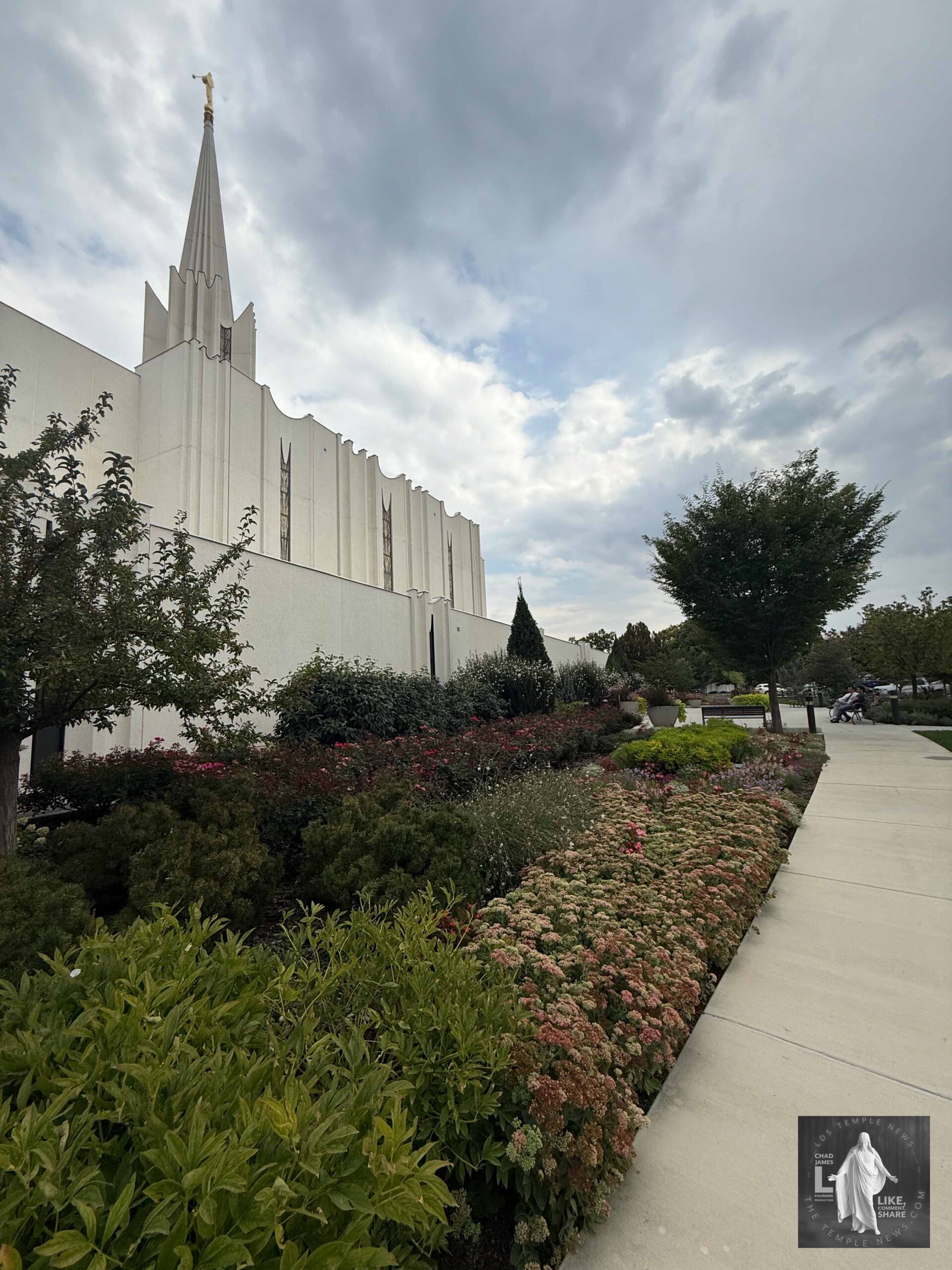
Jordan River Utah Temple: An Overview
The Jordan River Utah Temple stands as the 20th dedicated house of the Lord in operation, a significant landmark with a rich history and architectural beauty. Located at 10200 S Temple Drive in South Jordan, Utah, this house of the Lord has been a cherished symbol of faith for many.
Jordan River Temple
Announcement and Groundbreaking
The journey of the Jordan River Utah Temple began on February 3, 1978, when it was officially announced. A cornerstone date came on June 9, 1979, when the Prophet Spencer W. Kimball dedicated the ground for construction.
Open Houses and Dedications
Following the completion of the house of the Lord, a public open house was held from September 29 to October 31, 1981. The dedication of the house of the Lord occurred from November 16 to November 20, 1981, officiated by Apostle Marion G. Romney.
In a notable event, the house of the Lord underwent extensive renovations, closing on February 15, 2016. After this significant transformation, a second public open house took place from March 17 to April 28, 2018. Subsequently, it was rededicated on May 20, 2018, by Apostle Henry B. Eyring.
Architectural Features
Design Elements and Materials
The Jordan River Utah Temple spans an area of 148,236 square feet and stands at a height of 219 feet, situated at an elevation of 4,438 feet. The exterior is crafted from cast stone that features white marble chips, giving it an elegant appearance. The tallest spire is adorned with a gold-leafed painted Angel Moroni statue, an iconic representation that attracts admiration.
One unique aspect of this house of the Lord is its use of fiberglass in the spire, a material called cemlite, designed to reduce weight without compromising visual impact.
Interior Layout
Inside, the house of the Lord combines functionality and beauty. It contains six instruction rooms, sixteen sealing rooms, and one baptistry, accommodating various needs for its attendees. Notably, it is classified as a large temple and is one of only four houses of the Lord with six instruction rooms, alongside the Ogden Utah Temple, Provo Utah Rock Canyon Temple, and Washington D.C. Temple.
Notable Features
Cultural Significance
The Jordan River Utah Temple holds a unique place in the community, being the seventh temple built in Utah and the second in the Salt Lake Valley. It is recognized as the first pair of temples built in the same city, sharing this distinction with the Oquirrh Mountain Utah Temple, which was completed in 2009.
In terms of artistic representation, this house of the Lord is one of only five temples featuring an Angel Moroni statue holding the Gold Plates, alongside the Los Angeles California Temple, Washington D.C. Temple, Seattle Washington Temple, and Mexico City Mexico Temple.
Funding and Renovations
The construction and maintenance of the Jordan River Utah Temple were made possible through the generous contributions of local members, who funded it entirely through donations. The land on which the house of the Lord stands was also gifted to the church, demonstrating the local community’s commitment and support.
The extensive renovations included refreshing both the interior and exterior, with updated furnishings, finishes, and artworks enhancing its beauty. Modern systems replaced outdated mechanical and electrical infrastructure, ensuring the house of the Lord remains functional and inviting for years to come.
Conclusion
The Jordan River Utah Temple is not only a remarkable architectural feat but also a cherished house of the Lord with deep historical significance. Its ongoing legacy highlights the devotion and faith of the community, showcasing the resilience and timeless nature of such sacred places. As one continues to explore the stories and significance of the Jordan River Utah Temple, its impact on the local faith community and beyond is undoubtedly profound.