
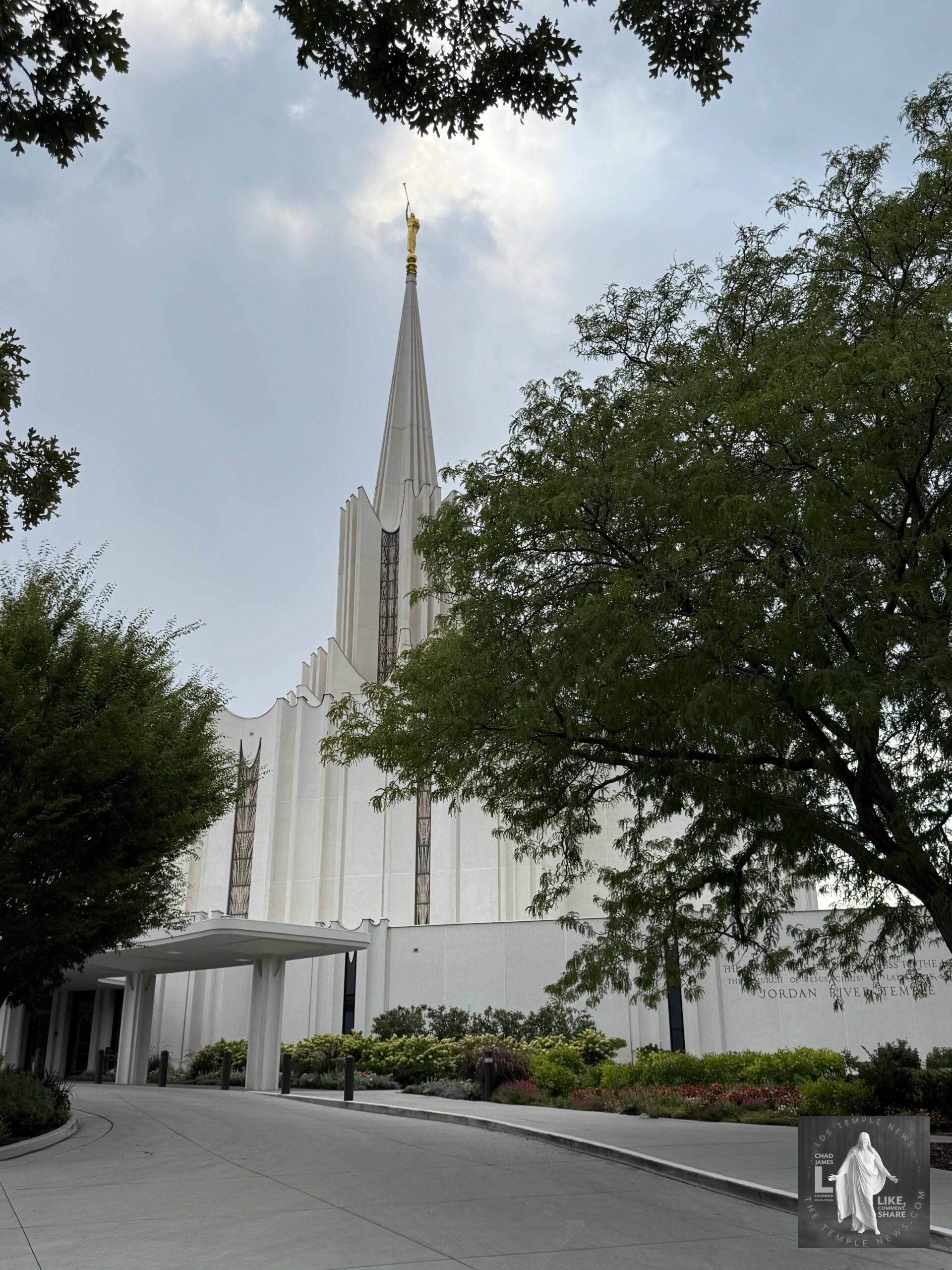
Jordan River LDS Temple
The Jordan River Utah Temple is a remarkable House of the Lord, serving as the 20th temple dedicated for operation in the region. Located at 10200 S Temple Drive, South Jordan, Utah, this sacred space is both a place of peace and a testament to the faith of its community.
Historical Background
The journey of the Jordan River Utah Temple began with its announcement on February 3, 1978. The groundbreaking ceremony was held on June 9, 1979, officiated by Prophet Spencer W. Kimball. This pivotal moment marked the beginning of a significant chapter in the region’s spiritual landscape.
Following its construction, a public open house was held from September 29, 1981, to October 31, 1981, allowing many to tour the House of the Lord. The dedication occurred shortly after, from November 16 to November 20, 1981, led by Apostle Marion G. Romney.
In a noteworthy turn, the temple was renovated extensively from February 15, 2016, leading to a second public open house from March 17, 2018, to April 28, 2018. The rededication on May 20, 2018, was conducted by Apostle Henry B. Eyring, celebrating the completion of the renovations.
Architectural Features
The Jordan River Utah Temple is set on a sprawling 15 acres and features a striking exterior finish that combines cast stone with white marble chips. The tower, while appearing uniform, utilizes a lightweight material called cemlite, which includes fiberglass for optimal design.
The architectural design includes an elegant central spire topped with a gold-leafed painted Angel Moroni statue. This temple is one of only five temples to feature an Angel Moroni statue holding the gold plates, joining notable counterparts in locations such as Los Angeles and Washington D.C.
Layout and Dimensions
As a large temple, it spans an impressive 148,236 square feet and reaches a height of 219 feet, elevated at 4,438 feet above sea level. Within its sacred walls, it encompasses six instruction rooms, sixteen sealing rooms, and a dedicated baptistry.
Unique Aspects
The Jordan River Utah Temple holds historical significance as the seventh temple built in Utah and the second in the Salt Lake Valley. It was originally named the Jordan River Temple before being renamed in 1999.
Interestingly, this temple and the Oquirrh Mountain Utah Temple, completed in 2009, were the first pair built in the same city. Moreover, it is one of only four temples with six instruction rooms, sharing this distinction with the Ogden Utah Temple, the Provo Utah Rock Canyon Temple, and the Washington D.C. Temple.
Community Contributions
The construction and maintenance of the Jordan River Utah Temple were exclusively funded through monetary donations from local members, highlighting a strong sense of dedication and commitment within the area. Additionally, the temple grounds were gifted to the Church, further emphasizing the rich community spirit related to this House of the Lord.
The Jordan River Utah Temple stands as a beautiful testament to faith, dedication, and community commitment, providing a sacred space for reflection and growth. Its architectural grandeur, coupled with the rich history of its establishment and renovation, makes it a notable centerpiece in the region’s landscape.