
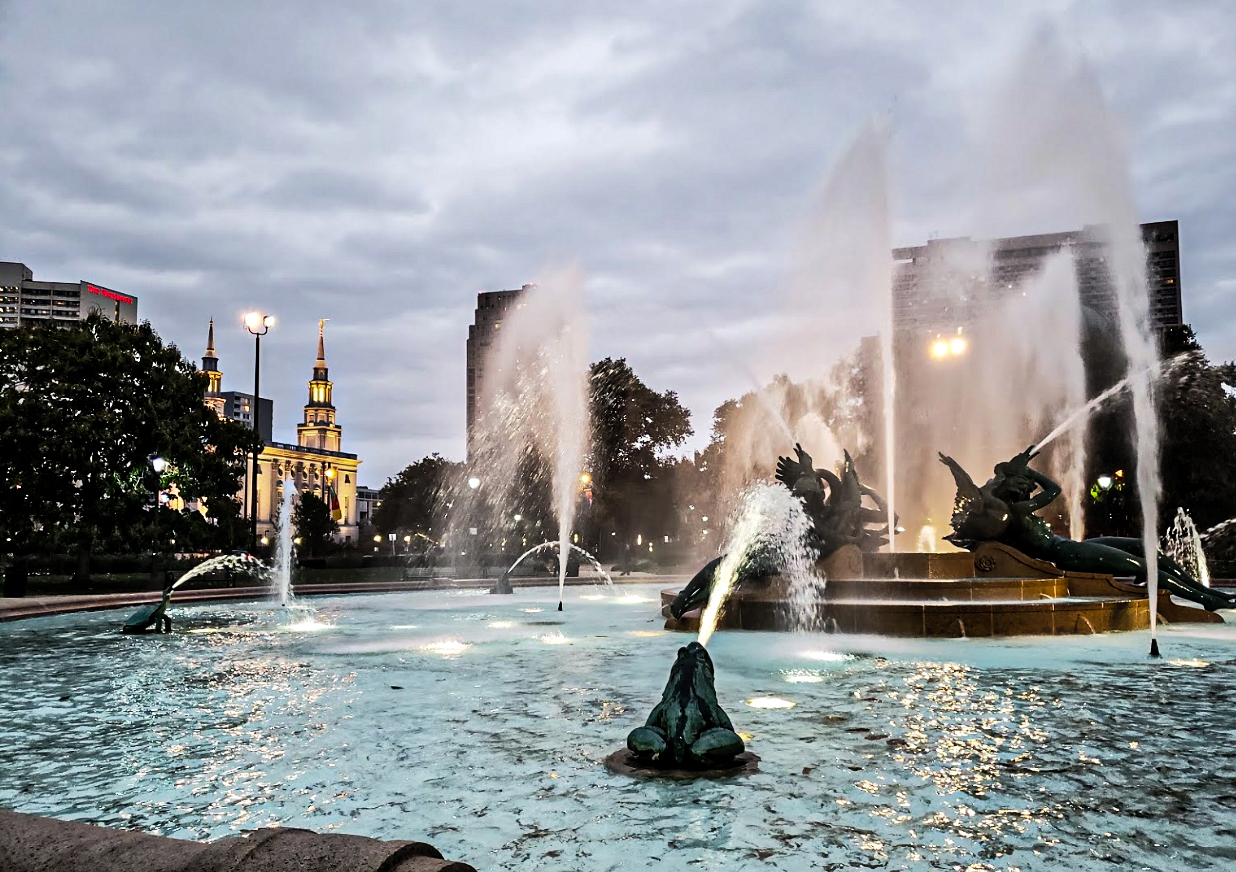
Exploring the Philadelphia Pennsylvania Temple
The Philadelphia Pennsylvania Temple is the 152nd dedicated Temple in operation, enriching the landscape of Philadelphia with its distinctive architectural features and spiritual significance. Located at 1739 Vine St, Philadelphia, Pennsylvania 19103, this Temple holds a special place in the hearts of many.
Philadelphia Pennsylvania Temple
The Philadelphia Pennsylvania Temple was announced on October 4, 2008, by the Prophet during the General Conference. Following this announcement, the groundbreaking and site dedication took place on September 17, 2011, led by Apostle Henry B. Eyring. This date notably coincided with the 224th anniversary of the signing of the United States Constitution at nearby Independence Hall. President Eyring’s words highlighted the importance of the work performed within these sacred spaces, emphasizing that no building is more sacred than a dedicated Temple of God.
A public open house occurred from August 10 to September 9, 2016, with an impressive attendance of 140,000 individuals exploring the interiors. The Temple was formally dedicated on September 18, 2016, also by Apostle Henry B. Eyring, marking the 240th anniversary of the signing of the Declaration of Independence.
Design and Architecture
The Philadelphia Pennsylvania Temple spans 61,466 square feet and is built on a 1.6-acre site. Standing at a height of 208 feet 2 inches, it showcases a four-story design. The exterior is clad in granite quarried in Maine and fabricated in Canada, featuring striking opalescent white art glass with beige and blue accents. The building harmoniously complements the neoclassical architecture prominent in Philadelphia, echoing elements from surrounding historical sites.
Unique Features
The Temple is crowned by a single attached end spire topped with a Gold-leafed Angel Moroni Statue. Standing 21 feet 2 inches tall, this statue captures a central part of the Temple’s identity.
Inside, the Temple offers two instruction rooms, four sealing rooms, and a baptistry, all designed for various sacred purposes. The intricate murals, including those by artists Linda Curley-Christensen and Douglas Fryer, reflect both American and Church history, enhancing the spiritual ambience.
Architectural Details
The meticulous attention to detail continues with elaborate millwork and distinctive ceiling designs. Each space incorporates classical orders of architecture—Doric, Ionic, and Corinthian—creating a harmonious transition throughout the building.
The lighting features antique brass lamps consistent with the American Georgian period, and the flooring materials echo this historical influence, incorporating stone quarried in Egypt and Italy, along with cherry wood plank flooring.
Landscaping and Environment
The landscaping around the Philadelphia Pennsylvania Temple includes native trees, shrubs, and flowers meant to enhance year-round color and texture. This thoughtful design complements the grounds and provides a serene environment.
The baptistry features bronze railings adorned with glass panels, influenced by the stair railing design in the Franklin Institute, along with bas-relief designs of the mountain laurel, Pennsylvania’s state flower.
Art and Design
Each element, from the paint designs to the interior doors, reflects an adherence to the artistry of Philadelphia. The ceiling ornamentation, varying from Doric crowns to Corinthian entablatures, adds a regal touch to the ambiance.
Conclusion
The Philadelphia Pennsylvania Temple stands as a testament to the community’s faith and the dedication of its members. From its rich history to its architectural beauty, this Temple is not just a physical building; it’s a profound expression of spirituality and commitment to the beliefs held dear by many. As the first Temple in the city and the state, its influence will be felt for generations to come, enhancing Philadelphia’s historical and spiritual narrative.
Philadelphia Pennsylvania Temple by LDS Temple News