
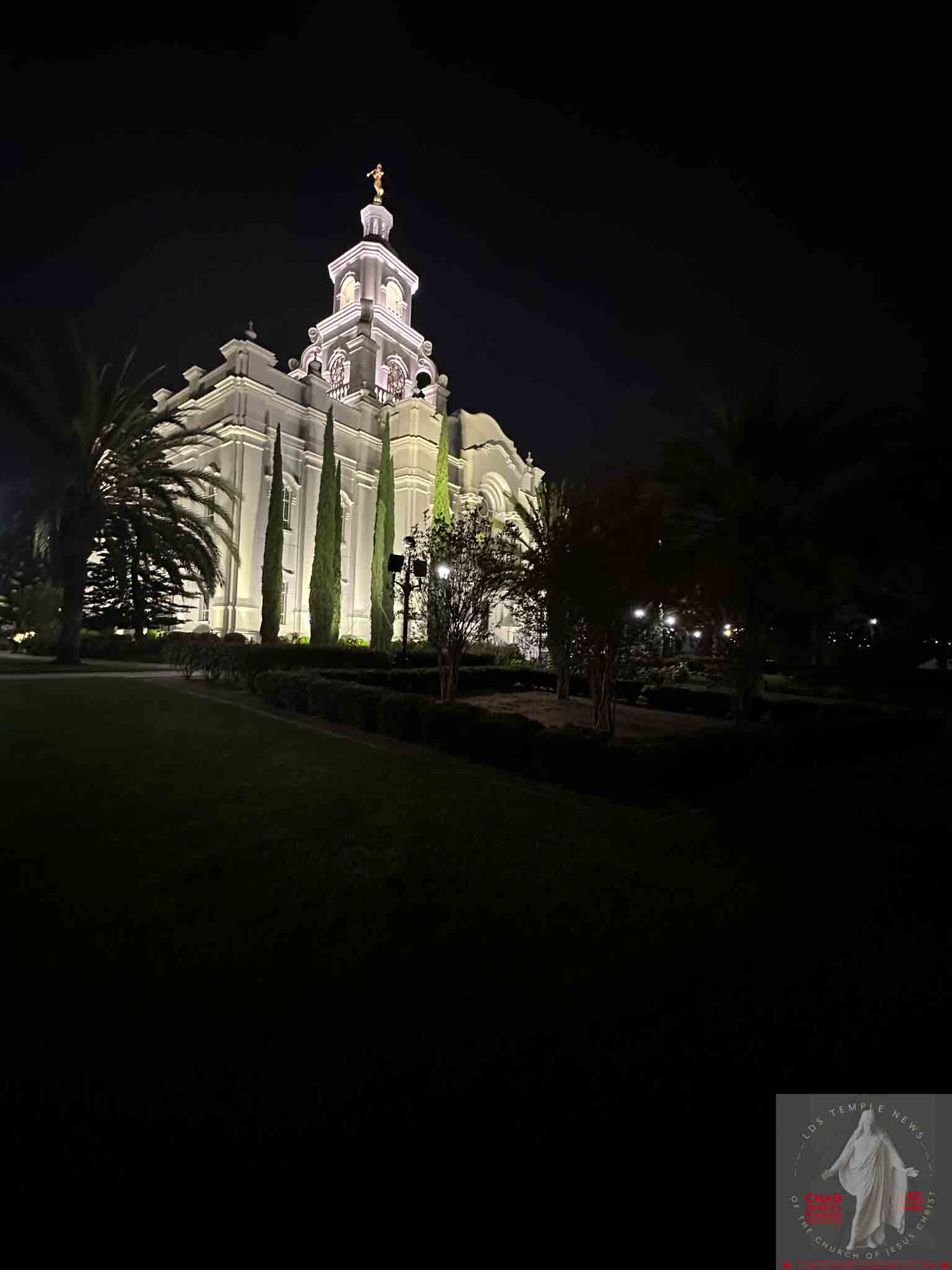
Tijuana Mexico LDS Temple
The Tijuana Mexico Temple stands as the 149th operating Temple of The Church of Jesus Christ of Latter-day Saints. Situated in Baja California, this remarkable building has garnered attention with its unique architectural details and spiritual significance.
Location and Background
The Tijuana Mexico Temple is located at Paseo Del Rio 6832 Esquina Campestre Oriente Col 3 RA Etapa Rio Tijuana 22226, Tijuana, Baja California. The journey to its creation began with an announcement made on October 2, 2010, by the Prophet Thomas S. Monson during General Conference.
Groundbreaking and Dedication
The groundbreaking and site dedication took place on August 18, 2012, an event that brought together approximately 2,000 people. This was a moment of excitement and hope for many, marking the beginning of a fulfilling journey toward its completion. After several years of construction, the Tijuana Mexico Temple opened its doors for a public open house from October 13th to 28th, 2015. During this time, around 70,000 guests toured the premises.
The Temple was dedicated by Apostle Dieter F. Uchtdorf on December 13, 2015. In his dedication prayer, Uchtdorf expressed gratitude and reverence, stating, “As we approach Thee in prayer, O God our Eternal Father, we lift our voices in thanksgiving and love on this historic day to dedicate the Tijuana Mexico Temple unto Thee.”
Architectural Features
Spanning 33,367 square feet and reaching a height of 151 feet, the Tijuana Mexico Temple is set on 9.4 acres of land. The exterior finish showcases precast concrete cladding, beautifully complemented by a blend of frosted gold and carved clear glass along with green terracotta accents.
Design Elements
One of the Temple’s most notable features is the fountain, constructed with precast concrete, local cantera stone, and adorned with Mexican hand-painted tiles that reinforce the hacienda architectural style. Inside, visitors can appreciate a wealth of artistic details. The interior features include marble staircases, wrought iron railings, and dark wooden doors, creating an atmosphere of elegance and serenity. Original artwork, including murals in the instruction rooms, captures the region’s desert and coastal landscapes.
Interior Design
The diverse materials used in the interior design include rugs painted with Spanish colonial patterns and stone flooring sourced from countries like China, Spain, and Italy. Mahogany doors are accented with bronze hardware, while railings made of bronze and mahogany echo the decorative themes found in the flooring and the landscaping.
Final Thoughts
The Tijuana Mexico Temple is more than just an architectural achievement. It serves as a testament to the faith and dedication of its builders and the individuals who consider it an important part of their spiritual lives. It reflects not only the rich cultural heritage of the region but also the shared aspirations and hopes of the people who cherish it.