Exploring the Rexburg Idaho Temple
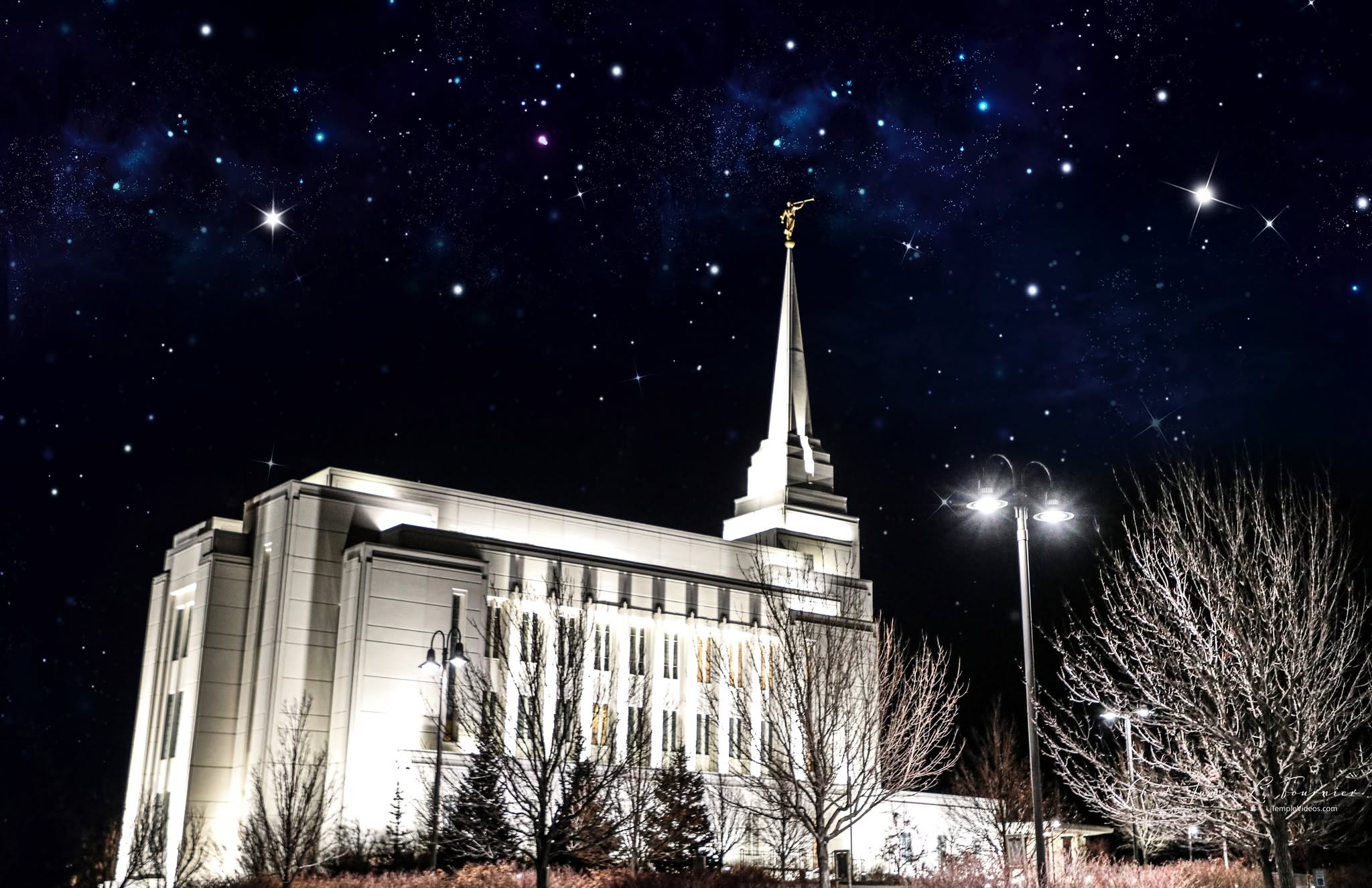
The Rexburg Idaho Temple stands as the 125th dedicated Temple in operation, marking a significant milestone in the history of The Church of Jesus Christ of Latter-day Saints. Situated at 750 S 2nd E in Rexburg, Idaho, this remarkable building is positioned adjacent to the Brigham Young University–Idaho campus. Its five stories rise majestically above the hillside, providing a striking view for those traveling along the Highway 20 corridor. The Temple occupies a prominent place in the area, noted as the finest building in this rural setting. Not far from the Temple, there is a beautifully landscaped garden area available for peaceful strolls or moments of reflection.
History of the Rexburg Idaho Temple
The announcement of the Rexburg Idaho Temple was made on December 12, 2003, by Prophet Gordon B. Hinckley. Groundbreaking and site dedication occurred on July 30, 2005, led by John H. Groberg, attracting an impressive turnout of 8,000 individuals. Following its completion, a public open house took place from January 7 to January 26, 2008, drawing around 200,000 guests who toured the interior during this time.
The installation of President Thomas S. Monson as the 16th president of The Church of Jesus Christ of Latter-day Saints happened on February 3, 2008, coinciding with the originally scheduled dedication date for the Rexburg Idaho Temple. However, due to the passing of President Gordon B. Hinckley, the dedication was postponed by one week. On February 10, 2008, President Monson dedicated the Temple, offering a prayer that honored the diverse experiences of those who may enter.
Architectural Features
The Rexburg Idaho Temple spans around 57,504 square feet and is built on a 10-acre site. The building reaches a height of 168.9 feet, standing at an elevation of 5,087 feet. Its exterior is crafted from 637 precast panels utilizing a combination of 45 different molds. The panels are finished in a material known as China White, a quartz finish mined from Washington state, which remains radiant thanks to a water-proofing compound that allows dust to wash away naturally.
Prominent architectural features include a striking single attached end spire crowned with a gold-leafed Angel Moroni statue, installed on September 21, 2006, which coincided with the 183rd anniversary of the first appearance of the angel Moroni to Joseph Smith.
Artistic Elements
The Rexburg Idaho Temple is adorned with beautiful art glass windows featuring a wheat motif, crafted by Utah artist Tom Holdman, symbolizing the local agricultural industry. Interior murals, painted by Rexburg native Leon Parson, showcase the stunning wildlife and landscapes of the Upper Snake River Valley. Parson, a former BYU-Idaho art faculty member, was recognized with the Eliza R. Snow Award in 2010 for his contributions.
Craftsmanship and Interior Design
The Temple’s interior showcases a variety of exquisite features. Light fixtures made of brass and crystal add elegance, while the interior doors are crafted from quarter-sawn sapele wood, known for its durability. The hardware on these doors is made of cast bronze, enhancing the rich aesthetic. Additionally, the exterior doors are made from African wood, and the railings around the baptismal font are constructed from bronze and aluminum.
The Rexburg Idaho Temple holds great significance, being the first Temple built in Rexburg and Madison County, as well as the first in Idaho, following the Idaho Falls Temple in 1945 and the Boise Temple in 1984. Its announcement came after the transition of Ricks College to a four-year university, further deepening its connection to the community and educational resources.
In summary, the Rexburg Idaho Temple symbolizes an enduring commitment to faith, community, and artistry within the region. Its architectural beauty, captivating art, and thoughtful design serve to enrich the lives of many, inviting reflection and reverence for generations to come.