
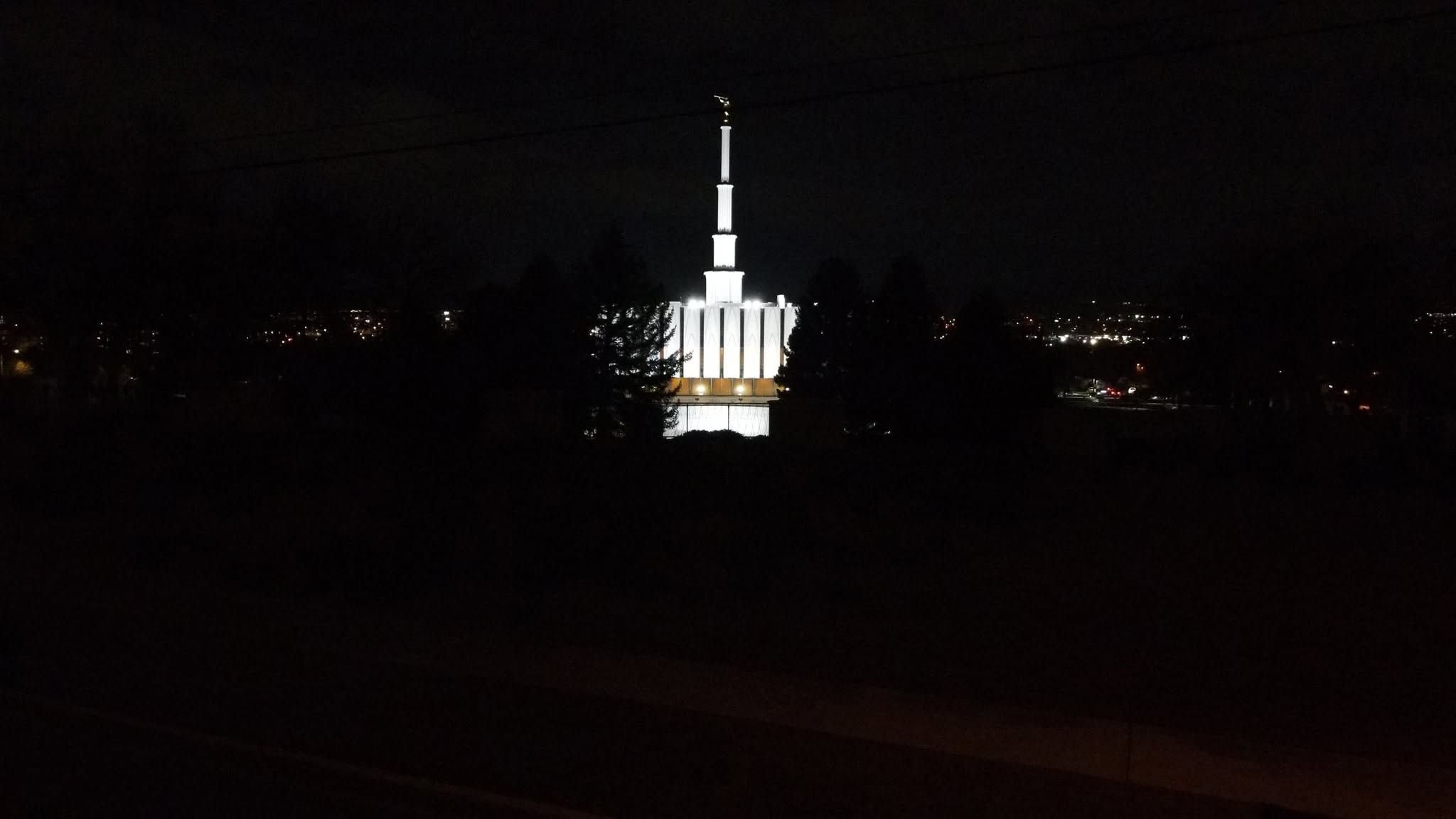
Provo Utah Temple detailed photography provided by LDS Temple News
The Provo Utah Temple, the 15th dedicated Temple in operation, holds significant importance in its location and history. Situated at 2200 N Temple Dr, Provo, UT 84604, it has been a notable site since its announcement on August 14, 1969, during a General Conference by the Prophet.
Groundbreaking and Dedication
The groundbreaking and site dedication took place on September 15, 1969, led by Apostle Hugh B. Brown. This event was remarkable as it occurred just one week after the Ogden Temple’s groundbreaking event, marking the first instance when two Temples had groundbreakings in the same month. Both buildings were created simultaneously and were nearly identical in their appearances until the Ogden Utah Temple underwent an architectural facelift in the early 2010s.
An open house for the Provo Utah Temple was held from January 10 to January 29, 1972, attracting an impressive attendance of 246,000 guests. Following this, the Temple was dedicated by a prominent Apostle, who stated, “… [insert quote here].”
Temple Features
Occupying 15.4 acres, the Provo Utah Temple features a stunning exterior finish of Bianco Sardo granite sourced from Sardinia, Italy. This Temple is distinguished by its central spire topped with a gold-leafed Angel Moroni statue, which adds to its elevation of 4,876.1 feet.
Before its demolition, the Temple spanned 128,325 square feet and was four stories tall. It included six instruction rooms, 12 sealing rooms, and one baptistry.
The exterior design incorporated bronze-colored glass panels paired with gold anodized aluminum grills for its windows. The interior artwork was representative of mid-1970s Church aesthetics, featuring framed, spiritually themed oil paintings and high-quality prints emphasizing the life of Christ and local landscapes.
Architectural Elements
Interior light fixtures were crafted from brass and crystal, creating a warm ambiance. The interior doors were made from rich woods such as walnut or mahogany, characterized by ornate, custom bronze doorknob plates.
The main exterior entrances boasted tall, dark-stained heavy wood doors, contributing to the Temple’s overall grandeur. Brass railings surrounded the baptismal font, adding a touch of elegance to its design.
Scenic Location
Before its planned reconstruction, the Provo Utah Temple was located on Provo’s east bench, near Rock Canyon, providing a stunning backdrop of towering mountains. The grounds were adorned with a cascading water feature, flowers, shrubs, and trees, enhancing its visual appeal. Across the street lies the Provo Missionary Training Center (MTC), where countless young missionaries prepare for service around the world. Additionally, the campus of Brigham Young University (BYU) borders the Temple to the southwest.
Future Developments
In October 2021, President Russell M. Nelson announced during a General Conference that the Provo Utah Temple would close for demolition and reconstruction after the dedication of the Orem Utah Temple. The closure is set for February 24, 2024, after which the new Temple will be named the Provo Utah Rock Canyon Temple.
Notably, the Provo Utah Temple and Provo City Center Temple (2016) mark the second pair of Temples built in the same city, trailing only the Jordan River Utah Temple (1981) and Oquirrh Mountain Utah Temple (2009) in South Jordan, Utah. The Temple, originally dedicated in 1972 and renamed in 1999, is also recognized as the third reconstructed Temple to be relocated from its original footprint.
With its varied history and upcoming transformation, the Provo Utah Temple remains a significant site in the region, adjacent to other Church-owned educational institutions. The architectural beauty and serene surroundings make it a memorable spot in Provo, UT.