
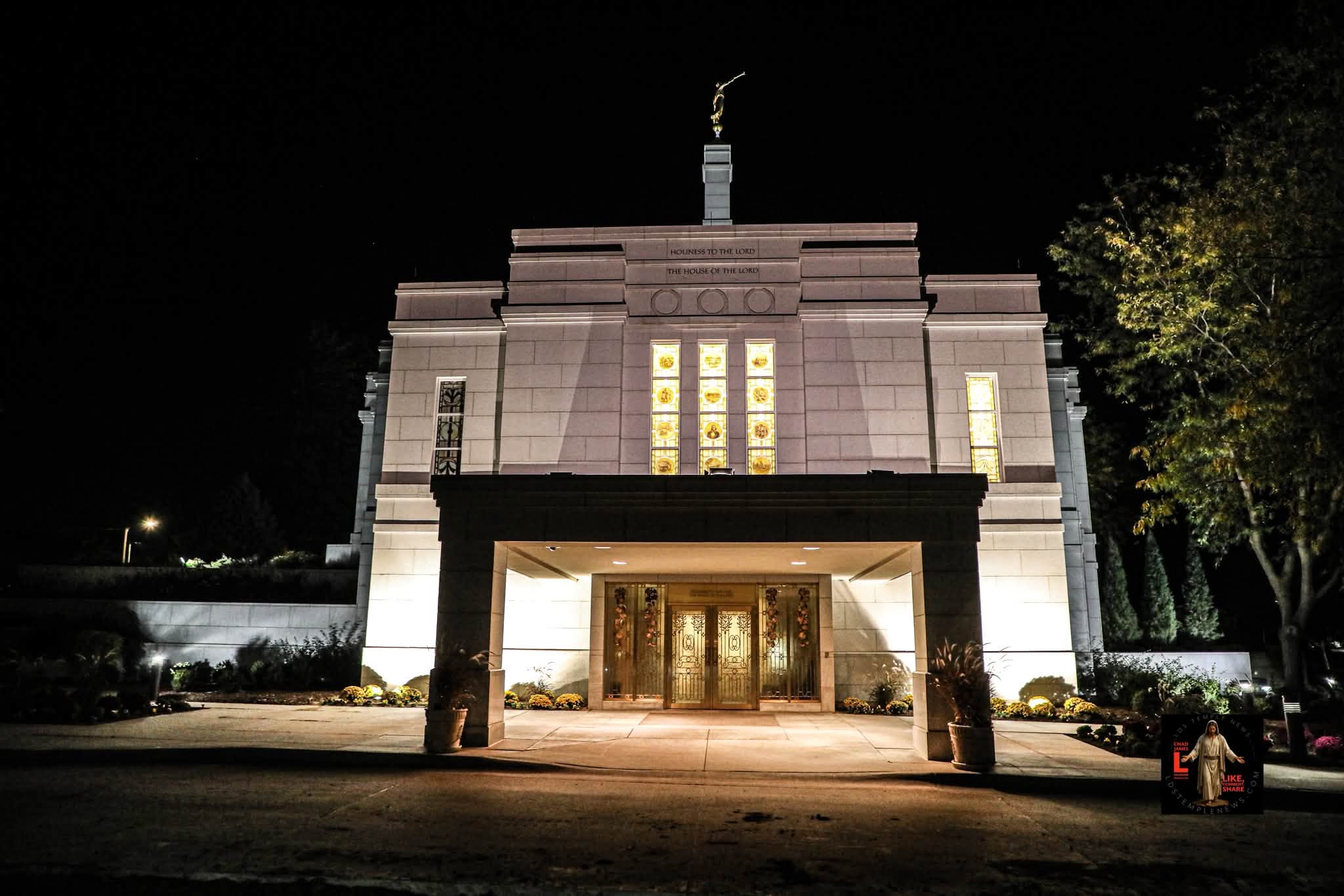
Winter Quarters Nebraska Temple Photography details as seen in LDS Temple News
Overview of the Temple
The Winter Quarters Nebraska Temple is the 104th dedicated temple in operation. Located at 8283 N 34th St, Omaha, Nebraska, the Temple has become an important location for many. Announced to the public on June 14, 1999, by the Prophet Gordon B. Hinckley, it symbolizes a rich history.
Groundbreaking and site dedication occurred on November 28, 1999, led by Hugh W. Pinnock. Following public enthusiasm, an open house took place from March 30 to April 14, 2001, with high visitor attendance. The Temple was finally dedicated on April 22, 2001, by President Gordon B. Hinckley.
Architectural Details
The Winter Quarters Nebraska Temple occupies 1.92 acres and boasts an exterior finished in bethel white granite. It features a striking design, characterized by a single attached end spire crowned with a gold-leafed Angel Moroni statue. With a total area of 16,000 square feet and a height of 86 feet, this two-story Temple is a captivating sight at an elevation of 1,158 feet.
Interior Design Elements
The interior includes thoughtful features such as:
- Instruction Rooms and Facilities: It comprises 2 instruction rooms, 2 sealing rooms, and one baptistry.
- Art and Light Fixtures: The Temple contains a curated collection of artworks and murals, with contributions from notable artists like Walter Rane and C.C.A. Christensen. The interior light fixtures are composed of brass with crystal elements, enhancing the aesthetic.
- Doors and Hardware: Doors are crafted from solid cherry wood and adorned with cast bronze hardware, while exterior doors are made of bronze.
- Unique Baptismal Font: The railings around the baptismal font are constructed from bronze and etched glass.
Symbolic Features
The Temple’s art glass highlights significant themes linked to pioneer history and celestial symbols. The stained glass windows depict:
- Pioneer History: They narrate the epic tales of the western trek, like William Clayton composing the hymn “Come, Come, Ye Saints.”
- Geometric Patterns: The baptistry windows incorporate log cabin quilt patterns and diamond shapes, paying tribute to the quilt-making traditions of the pioneers and the local Omaha Indian tribe.
- The River of Life: A winding river made of pulverized crystal references “living water,” celebrating the resilient spirit of early Church members.
- Flora and Celestial Signs: Artwork showcases state flowers of the five states pioneers traversed, along with celestial bodies like the Big Dipper and North Star, and panels shaped like mariner’s compasses. The Tree of Life appears prominently in various designs.
Historic Context
The Winter Quarters Nebraska Temple stands as a sister building to the Snowflake Arizona Temple and shares a core design with the Quetzaltenango Guatemala Temple, albeit with some exterior modifications. It is one of three temples built in historically significant locations for early Church members, alongside the Palmyra New York Temple and the Nauvoo Illinois Temple.
Elder Hugh W. Pinnock oversaw the groundbreaking ceremony held adjacent to a pioneer cemetery, linking the site to past events and experiences of early Church members. Omaha Mayor Hal Daub expressed admiration for the site and highlighted its historical relevance, symbolizing hope and progress for families and future generations.
In the words of Elder Pinnock, the Winter Quarters groundbreaking acts as a culmination of historic events leading to this new construction. With a beautiful view overlooking the Missouri River and acknowledging past sacrifices, the Temple is a testament to the enduring faith and resilience of individuals on their spiritual journeys.
Conclusion
The Winter Quarters Nebraska Temple not only reflects exquisite design and architecture but also encapsulates historical narratives and memories. Its presence enriches the surrounding area and stands testament to the journeys of those who came before.