
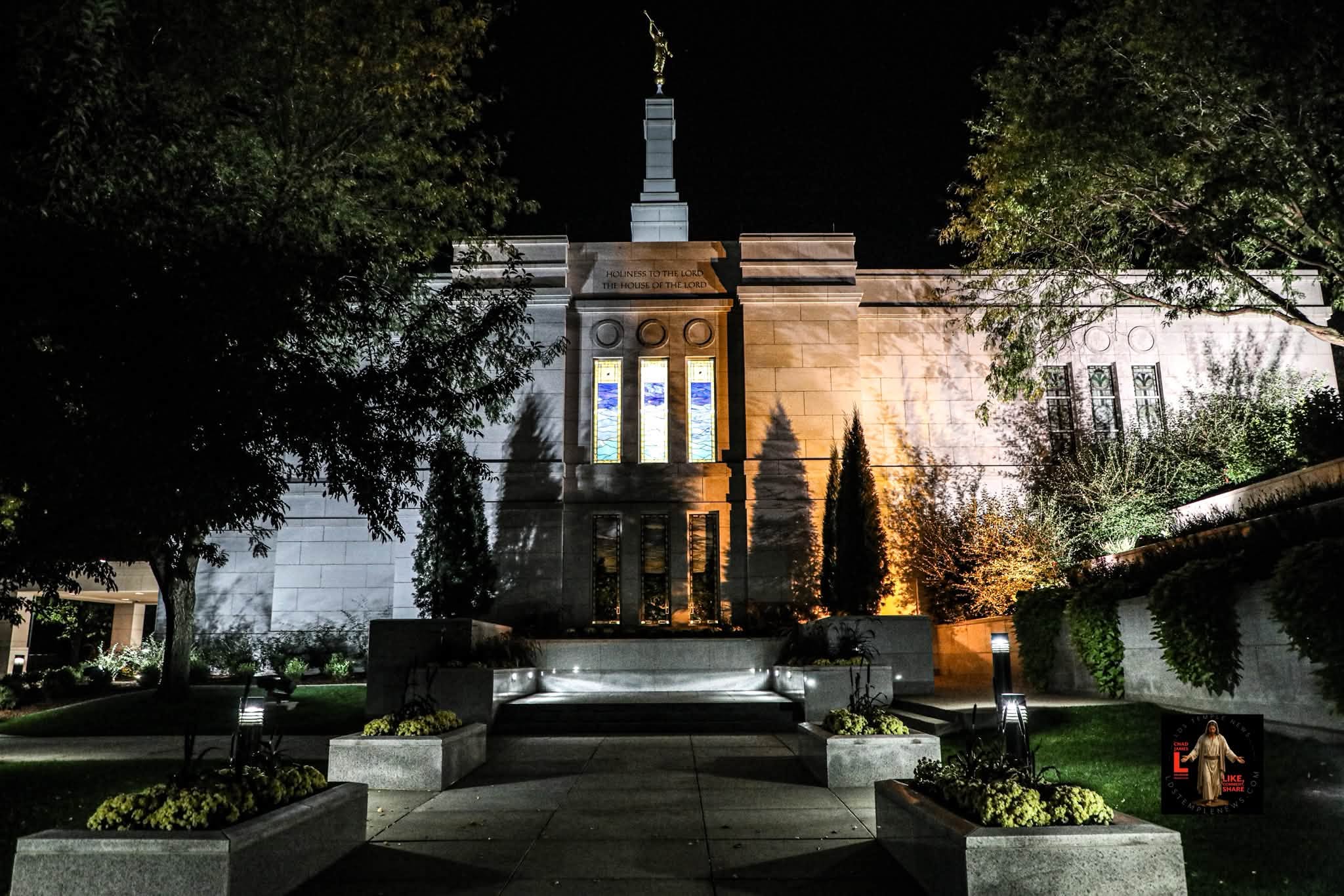
Winter Quarters Nebraska Temple Photography findings from LDS Temple News
The Winter Quarters Nebraska Temple, the 104th dedicated Temple in operation, holds a significant place in the history and experience of its faith community. Located at 8283 N 34th St, Omaha, Nebraska, the Temple has become a notable site and reflects a rich heritage intertwined with the journey of its members.
Historical Context
The announcement of the Winter Quarters Nebraska Temple took place on June 14, 1999, Prophet Gordon B. Hinckley. Groundbreaking and site dedication events followed on November 28, 1999, under the guidance of Hugh W. Pinnock.
Public access commenced with an open house from March 30, 2001, through April 14, 2001, leading up to the Temple’s dedication on April 22, 2001, by the Prophet Gordon B. Hinckley. As the first Temple built in Omaha, Douglas County, and the entire state of Nebraska, it occupies a space of 1.92 acres.
Design and Architecture
The design of the Winter Quarters Nebraska Temple features a two-story layout, measuring 16,000 square feet with an exterior finish of bethel white granite. Standing at 86 feet high, the architecture is characterized by a single attached end spire topped with a gold-leafed Angel Moroni statue.
Artistic Contributions
Inside, the Temple showcases intricate artistic features:
Glass Art and Symbolism
- The exterior and interior art glass displays essential aspects of pioneer history and various symbolic geometric patterns.
- Notable scenes include those illustrating the western trek, with windows depicting William Clayton writing the hymn “Come, Come, Ye Saints,” and poignant representations of pioneer couples.
- The baptistry windows feature log cabin quilt patterns as a tribute to the pioneers, along with diamond patterns honoring the local Omaha Indian tribe.
Flora and Celestial Signs
- Several windows showcase the state flowers of the five states crossed by the pioneers, while images of the Big Dipper, North Star, and mariner’s compasses rich in meaning highlight the spiritual aspirations of its members.
Artistic Collaborators
Prominent artists contributed significantly to the Temple’s artistic design:
- Walter Rane: Created a mural for the nearby Visitors’ Center, capturing biblical narratives and the restored history of the Church.
- C.C.A. Christensen: Known for his historical painting “Winter Quarters,” illustrating the pioneering spirit.
- Tom Holdman: Crafted 18 stunning stained-glass windows that reflect significant moments in Church history.
Interior Design Elements
The interior is adorned with brass and crystal light fixtures, solid cherry doors, and cast bronze hardware. The baptismal font features railings made from bronze and etched glass, adding to the elegance and reverence of the space.
Significance of Location
Situated near a Church-owned pioneer cemetery in Historic Winter Quarters, the site holds profound historical importance. The dedicatory services were broadcasted over a satellite system to various locations across North America. Elder Hugh W. Pinnock addressed the historical significance of the area, linking it to key moments and sites in the early history of the Church.
Omaha Mayor Hal Daub acknowledged the cultural impact and growth represented by the Temple, emphasizing its role in fostering hope and vitality among families in the area.
In summary, the Winter Quarters Nebraska Temple stands as a place enriched with history, artistic expression, and spiritual aspirations. Its design and mission continue to resonate deeply with those who cherish its legacy.