
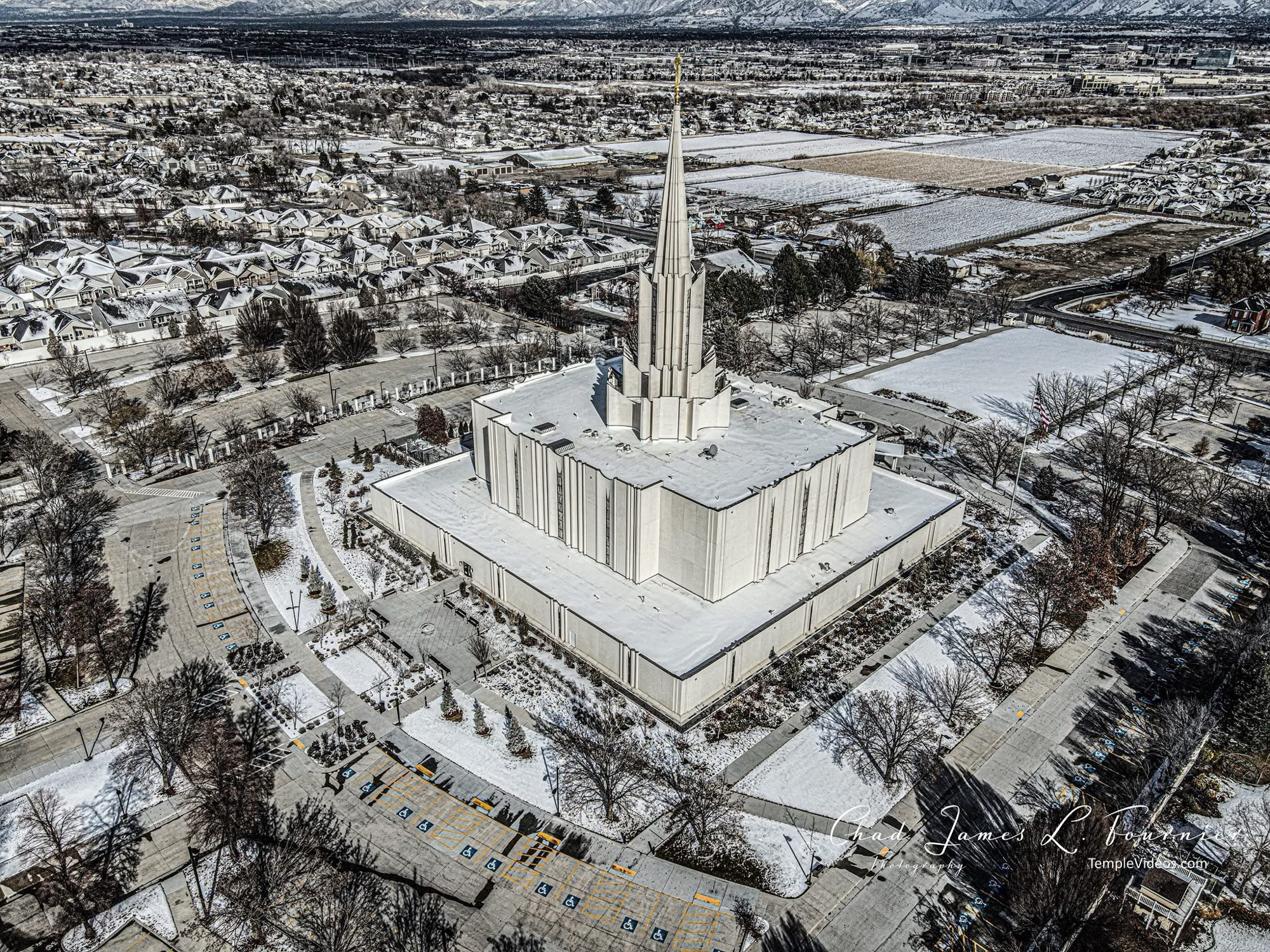
Jordan River Utah Temple
The Jordan River Utah Temple, the 20th dedicated house of the Lord in operation, stands as a notable addition to the sacred architecture in Utah. Located at 10200 S Temple Drive in South Jordan, this impressive house of the Lord is rich in history and significance.
History and Milestones
Originally announced on February 3, 1978, the groundbreaking and dedication of the house of the Lord took place on June 9, 1979, led by Prophet Spencer W. Kimball. The public open house ran from September 29, 1981, through October 31, 1981. Shortly thereafter, the dedication occurred from November 16 to November 20, 1981, by Apostle Marion G. Romney. This temple underwent renovations beginning on February 15, 2016, culminating in its second rededication on May 20, 2018, performed by Apostle Henry B. Eyring.
Architectural Features
Spanning 148,236 square feet, the Jordan River Utah Temple is classified as a large house of the Lord, reaching a height of 219 feet, set at an elevation of 4,438 feet. It is constructed on a generous 15 acres, showcasing a stunning exterior of cast stone blended with white marble chips. Interestingly, while the tower appears to be made of the same material, it instead contains fiberglass within a product called cemlite, allowing for a reduction in weight.
The architectural design features a centrally attached spire crowned with a gold-leafed painted Angel Moroni statue—one of only five such statues in the world that depicts the angel holding the gold plates. This unique aspect adds to the temple’s significance alongside the Los Angeles California Temple, Washington D.C. Temple, Seattle Washington Temple, and Mexico City Mexico Temple.
Interior Layout
Inside the Jordan River Utah Temple, six instruction rooms, sixteen sealing rooms, and a baptistry provide spaces that reflect its purpose. Notably, it is one of only four houses of the Lord featuring six instruction rooms, alongside the Ogden Utah Temple, Provo Utah Rock Canyon Temple, and Washington D.C. Temple.
The extensive renovations carried out in 2016 included significant upgrades to the interior. While the fundamental layout remained intact, selective interior walls were modified to update the Celestial Room, bride’s room, initiatory areas, and baptistry, which now has a separate entrance. Modern amenities were integrated into the plumbing, heating, and air conditioning systems, and the roofing was replaced. Additionally, updated furnishings, finishes, and enhanced landscaping have beautified the entire property.
A Community Endeavor
Funding for the construction and upkeep of the Jordan River Utah Temple primarily came from monetary donations made by local members. This sacred area was generously gifted to the Church, emphasizing the commitment and support from the community.
In summary, the Jordan River Utah Temple stands as an important and beautiful house of the Lord in the state of Utah. Its history, architectural features, and renovations showcase a dedication to preserving a cherished place that holds deep meaning for many.
🕊️
Jordan River Utah Temple had more than 160,000 members attended the temple’s 94 dedication sessions in 1981
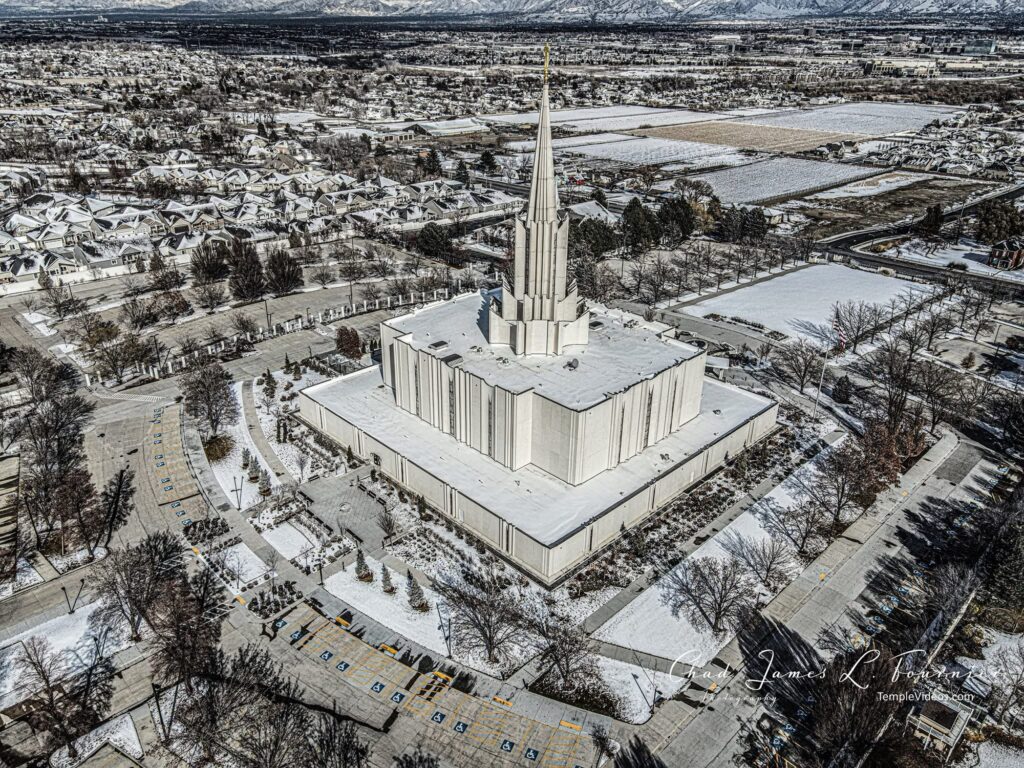
🕊️ Jordan River Utah Temple had more than 160,000 members attended the temple’s 94 dedication sessions in 1981