
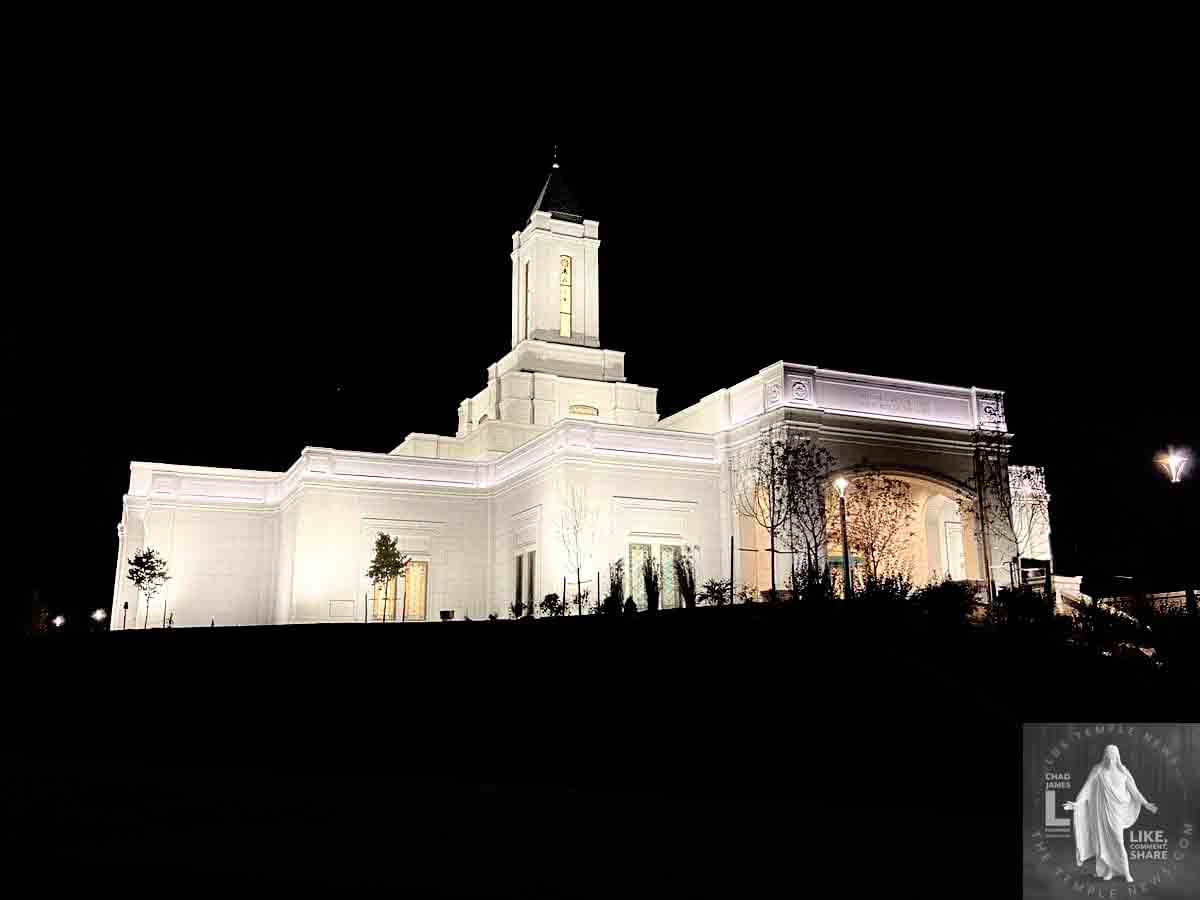
Overview of the Grand Junction Colorado Temple
The Grand Junction Colorado Temple stands as the 210th dedicated temple in operation, serving as a significant addition to the spiritual landscape of Colorado. Located at 678 Horizon Drive, Grand Junction, CO 81506, this temple reflects the commitment and faith of its community.
LDS Temple News Presents the Grand Junction Colorado Temple House of the Lord Holiness to the Lord
Announced to the public on April 4, 2021, by Prophet Russell M. Nelson during the General Conference, the plans for the Grand Junction Colorado Temple were revealed at the 191st Annual General Conference. The history of the Church in Colorado dates back to 1896 with the establishment of its first mission, followed quickly by the formation of the first official congregation in January 1897. At the time of the announcement, the state housed over 150,000 Latter-day Saints across approximately 310 congregations. This temple marks the third such structure in Colorado, following the Denver Colorado Temple in 1986 and the Fort Collins Colorado Temple in 2016.
Groundbreaking and Dedication
The groundbreaking and dedication took place on April 16, 2022, led by Apostle Chi Hong Sam Wong of the Quorum of the Seventy. During this ceremony, Wong expressed gratitude for the Atonement of Jesus Christ, emphasizing the hope for maintaining positive spiritual momentum. Encompassing 29,630 square feet, the temple is built on 7.93 acres, with a footprint situated at the intersection of Horizon Drive and North 12th Street.
Architectural Features
The Grand Junction Colorado Temple exhibits distinctive architectural features that resonate with its high-desert surroundings. The exterior is clad in Portuguese Pedras Salgadas granite, creating a warm contrast against the rugged terrain. This temple, which reaches a height of 118.8 feet, has a single attached end spire and is enclosed by an Ameristar Montage Plus Majestic fence finished in bronze.
Interior Design Elements
A visit inside the Grand Junction Colorado Temple reveals a thoughtful blend of artistry and craftsmanship. The interior features works by renowned artists such as Ken Stockton and Wilson Hurley, celebrating the breathtaking landscapes of the American West.
Art and Decor
The art glass throughout the temple combines shades of claret cup reds, amber, green, and pale pink, showcasing local botanical elements in an elevated context. An intricate baptismal font railing features a geometric motif that echoes the confluence of local rivers, with a claret cup blossom accenting the design.
Material Selections
Detailed millwork throughout the temple is crafted from African sapele hardwood, adorned with a peach blossom design as a nod to the region’s orchards. The lighting in the bride’s room, celestial room, and sealing rooms is enhanced by crystal chandeliers with antique brass finishes, creating an elegant atmosphere.
Color Palette
The interior’s color scheme draws inspiration from the local flora, showcasing crimson, amber, green, and pale pink tones. The flooring is composed of Mineo marble, complemented by selections of New Saffron, Red Jasper, Verde Laguna, and Quetzal Green marbles, reflecting the depth of southwestern canyon landscapes.
Conclusion
As the first temple constructed in Mesa County, Colorado, and as one of the first 100 temples announced by President Russell M. Nelson during his administration, the Grand Junction Colorado Temple represents not only a place of significance for worship but also a reflection of the region’s rich spiritual heritage. Its dedication became a meaningful milestone further establishing the presence of the Church in the western part of the state.