
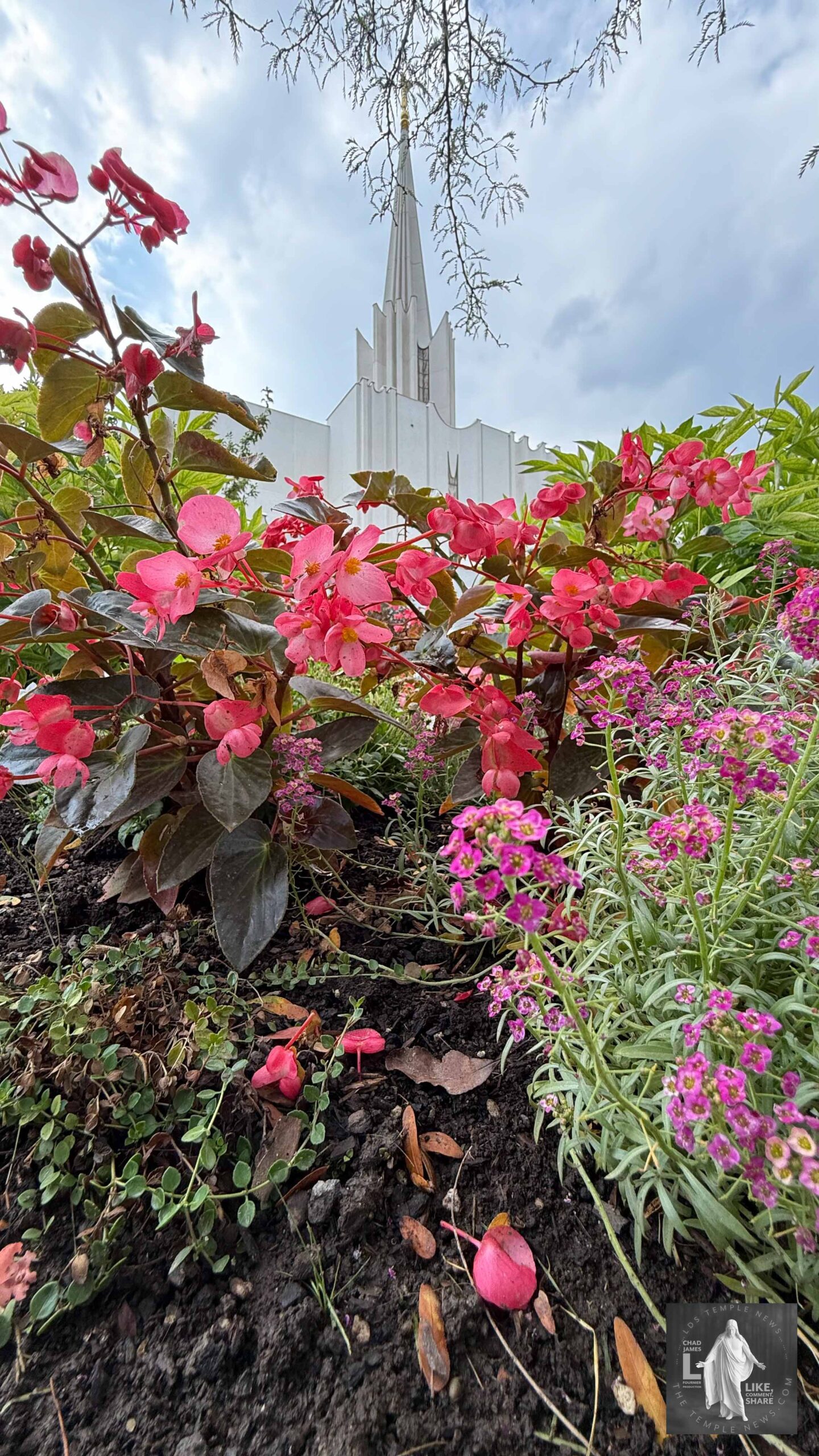
Jordan River Utah Temple by LDS Temple News
The Jordan River Utah Temple stands as the 20th dedicated temple in operation within the Church of Jesus Christ of Latter-day Saints. Located at 10200 S Temple Drive in South Jordan, Utah, it has become a significant part of the local landscape since its announcement on February 3, 1978.
Historical Significance
The groundbreaking for the Jordan River Utah Temple took place on June 9, 1979, led by Prophet Spencer W. Kimball. Following this momentous occasion, the temple held a public open house that ran from September 29, 1981 to October 31, 1981. The official dedication occurred from November 16 to November 20, 1981, officiated by Apostle Marion G. Romney.
In March 2018, a second public open house was held, closing on April 28, 2018. This was followed by a significant rededication on May 20, 2018, conducted by Apostle Henry B. Eyring. This rededication was necessary due to extensive renovations that began on February 15, 2016.
Architectural Details
The Jordan River Utah Temple is built on 15 acres and covers an impressive 148,236 square feet. Its height reaches 219 feet, sitting at an elevation of 4,438 feet. The exterior features cast stone with white marble chips, while the tower is made from a lighter fiberglass material known as cemlite. An architectural highlight is the single attached central spire topped with a gold-leafed painted statue of Angel Moroni.
Inside, the temple contains six instruction rooms, sixteen sealing rooms, and one baptistry, making it one of only four temples with six instruction rooms—alongside the Ogden Utah Temple, Provo Utah Rock Canyon Temple, and the Washington D.C. Temple.
Noteworthy Features and Contributions
Originally named the Jordan River Temple, it was renamed in 1999. Interestingly, the Jordan River Utah Temple and the Oquirrh Mountain Utah Temple are notable for being the first pair of temples constructed in the same city.
This temple features the unique distinction of having Angel Moroni holding the gold plates, a feature shared with only four other temples: the Los Angeles California Temple, the Washington D.C. Temple, the Seattle Washington Temple, and the Mexico City Mexico Temple.
Funding for the construction and ongoing maintenance of the Jordan River Utah Temple was entirely supported by donations from local members, and the land was gifted to the Church.
Renovation Highlights
The extensive renovation process focused on modernizing various areas while preserving the essence of the temple. While infrastructure such as the general floor plan remained consistent, several interior walls were removed to enhance key zones like the Celestial Room, bride’s room, and initiatory areas. The baptistry received a significant upgrade, including a new entrance.
Additional improvements encompassed replacing outdated mechanical and electrical systems with contemporary alternatives, modernizing plumbing, heating, and air conditioning. The roof underwent replacement, seismic upgrades were implemented, and the landscaping was revitalized to enhance the overall aesthetic of the temple grounds.
Conclusion
The Jordan River Utah Temple represents an important facet of the Church’s presence in Utah and is a cherished location for many. Its unique architectural features, historical significance, and community contributions make it a noteworthy House of the Lord in the region.