
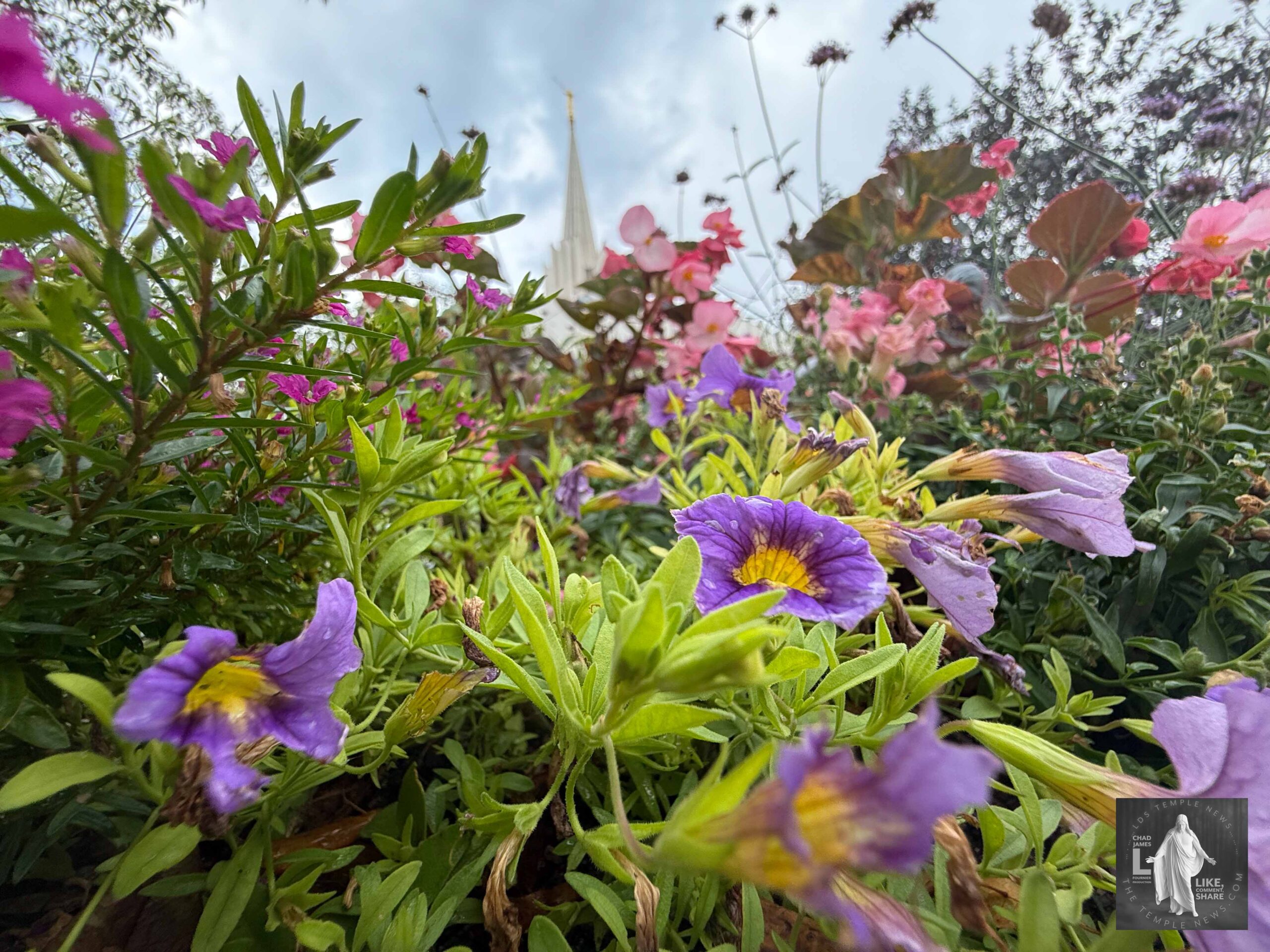
LDS Temple News Presents Jordan River Utah Temple
The Jordan River Utah Temple stands as the 20th dedicated House of the Lord in operation, contributing to the rich tapestry of temples dedicated to sacred service and purpose. Located at 10200 S Temple Drive in South Jordan, Utah, it is a significant landmark within the region.
Historical Overview
The announcement of the Jordan River Utah Temple occurred on February 3, 1978, marking the beginning of its journey. The official groundbreaking and dedication of the House of the Lord took place on June 9, 1979, led by the Prophet Spencer W. Kimball. After years of anticipation, a public open house was held from September 29 to October 31, 1981, allowing many to explore its halls before the formal dedication.
The temple was dedicated in a series of events from November 16 to November 20, 1981, by Apostle Marion G. Romney. This event marked an important day for many in the region and beyond. More than three decades later, the House of the Lord entered an extensive renovation phase starting February 15, 2016. Following this significant upgrade, a second public open house was held from March 17 to April 28, 2018, culminating with its rededication on May 20, 2018, by Apostle Henry B. Eyring.
Architectural Features
The Jordan River Utah Temple covers an area of 148,236 square feet and reaches a height of 219 feet, making it an impressive presence against the backdrop of Utah’s beautiful landscape. Set on a generous 15 acres, this House of the Lord features an exterior finish of cast stone accented with white marble chips, giving it a distinctive and elegant appearance.
One of its most striking architectural elements is the single attached central spire adorned with a gold-leafed statue of the Angel Moroni. Uniquely, this statue holds the gold plates, a feature shared by only four other temples: the Los Angeles California Temple, the Washington D.C. Temple, the Seattle Washington Temple, and the Mexico City Mexico Temple.
Interior Layout and Renovation
Inside the Jordan River Utah Temple, blessed with careful design and thoughtfulness, are six instruction rooms, sixteen sealing rooms, and one baptistry. This layout supports various important functions, enhancing the experience for those who utilize the House of the Lord.
The extensive renovations from 2016 to 2018 modernized many aspects of the interior. While maintaining the general floor plan, selective walls were taken down to refresh essential areas, including the Celestial Room and the baptistry. New furnishings, finishes, carpets, artwork, and murals were added, alongside crucial upgrades to mechanical and electrical systems. Enhancements to the landscaping further beautified the property, ensuring it remains a serene destination.
Additional Insights
The Jordan River Utah Temple, originally named the Jordan River Temple, received its current name in 1999. Notably, it is the second temple built in the Salt Lake Valley and the second in Utah County. Alongside the Oquirrh Mountain Utah Temple, it became the first pair of temples established in the same city.
The construction and maintenance of the Jordan River Utah Temple were funded entirely through contributions from local members, showcasing a strong bond among those who cherish the House of the Lord. Being one of four temples housing six instruction rooms, it underscores its importance in the wider network of temples dedicated to service and spiritual growth.
Conclusion
The Jordan River Utah Temple is not just an architectural wonder but a testament to the dedication and faith of many individuals over the decades. From its historical roots to its present-day significance, it continues to be a place of inspiration and a noteworthy piece of the cultural landscape in South Jordan, Utah.