
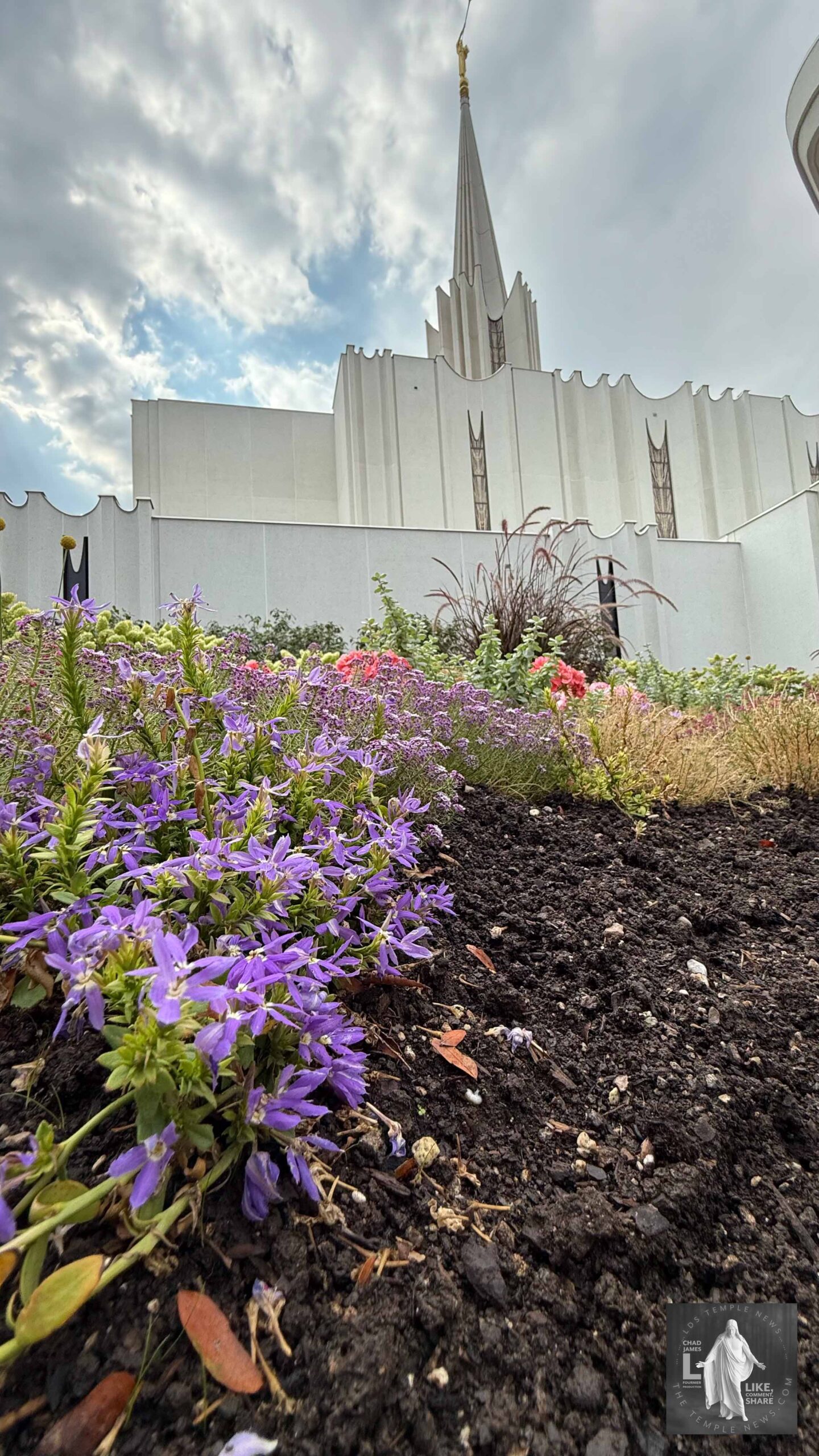
LDS Temple News Presents the Jordan River Utah Temple
The Jordan River Utah Temple is not only a significant religious edifice but also a remarkable architectural accomplishment, being the 20th dedicated temple in operation within its denomination. Located at 10200 S Temple Drive, South Jordan, Utah 84095, it serves as a vital center for numerous individuals seeking a deeper understanding of their faith.
Historical Overview
The journey of this House of the Lord began when it was announced on February 3, 1978, with significant milestones following shortly after. The groundbreaking and dedication of the land took place on June 9, 1979, led by Prophet Spencer W. Kimball. After years of anticipation, the public had the opportunity to experience the temple during an open house spanning from September 29, 1981, to October 31, 1981. The Jordan River Utah Temple was officially dedicated from November 16, 1981, to November 20, 1981, under the leadership of Apostle Marion G. Romney.
In recent years, this House of the Lord underwent extensive renovations starting on February 15, 2016. Following completion, the temple was rededicated on May 20, 2018, by Apostle Henry B. Eyring.
Architectural Specifications
Spanning 148,236 square feet, the Jordan River Utah Temple is classified as a large temple, showcasing an impressive height of 219 feet. Its construction covers an area of 15 acres, providing ample space for both the House of the Lord and its surrounding grounds.
The exterior finish is constructed of cast stone mixed with white marble chips. Notably, the tower, while appearing consistent in material, actually incorporates fiberglass in a composition known as cemlite, designed to reduce weight. One of the striking features of the architectural design is the single attached central spire topped with a gold-leafed painted Angel Moroni statue, a prominent element found in several temples.
Internal Spaces
Inside the Jordan River Utah Temple, six instruction rooms and sixteen sealing rooms accommodate various needs, alongside a dedicated baptistry. The layout allows for effective use and flow throughout the space. This temple is one of only four temples that features six instruction rooms, sharing this distinction with the Ogden Utah Temple, Provo Utah Rock Canyon Temple, and Washington D.C. Temple.
Community Impact and Contributions
Long before its construction, the Jordan River Utah Temple was gifted to the Church, highlighting the local community’s dedication to this undertaking. The funding for its construction and maintenance primarily came from monetary donations contributed by local members, showcasing a spirit of generosity that underscores the importance of this House of the Lord to the area.
Additionally, the temple’s 2016 renovations refreshed both the interior and exterior, enhancing its overall beauty. This included the remodeling of the Celestial Room, bride’s room, initiatory areas, and the addition of a separate entrance to the baptistry. Modern upgrades to mechanical and electrical systems ensure the temple meets contemporary standards, while landscaping improvements have further beautified the grounds.
Conclusion
The Jordan River Utah Temple stands as a striking symbol of faith, community commitment, and architectural beauty. With its rich history and dedicated presence in South Jordan, it continues to serve as a significant House of the Lord for many. Essential moments in its past, including its original announcement, dedication, and renovations, speak to the ongoing commitment to create a place of peace and inspiration. This House of the Lord is a testament to the union of faith, architecture, and community spirit.