
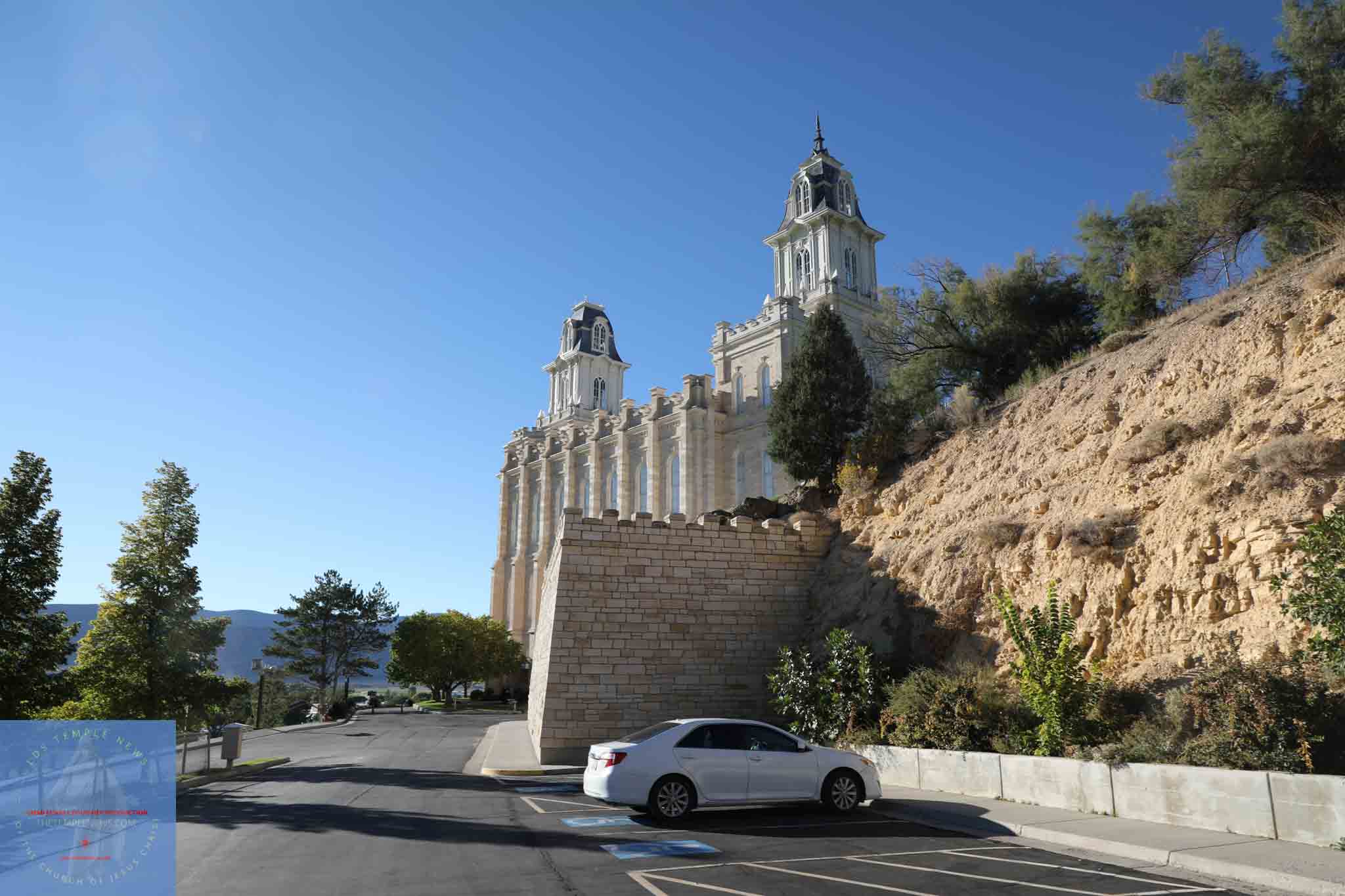
Discover the Manti Utah Temple: A Historical Overview
Located at 200 E 510 N in Manti, Utah, the Manti Utah Temple stands as the third temple dedicated in operation within the Latter-day Saint movement. Nestled on a rising knoll known as “Temple Hill,” this magnificent House of the Lord holds a commanding view of the Sanpete Valley and is easily accessible from Highway 89.
Manti Utah Temple media by LDS Temple News
The announcement of the Manti Utah Temple came on June 25, 1875, marking the beginning of its storied history. Ground was officially broken for its construction on April 25, 1877, with the ceremony led by the Prophet Brigham Young.
Over the years, the House of the Lord has undergone several renovations, leading to multiple dedications. The most recent dedication occurred on April 21, 2024, again officiated by the Prophet Russell M. Nelson. Lasting from March 14 to April 5, 2024, the latest public open house allowed many to explore this beautiful space.
Architectural Features
Spanning 74,792 square feet and reaching a height of 179 feet, the Manti Utah Temple is an impressive addition to the skyline. The exterior is adorned with fine-textured cream-colored oolite limestone, sourced from the very land upon which the House of the Lord sits.
One notable aspect of the architecture is the twin self-supporting, open-centered spiral staircases that wind elegantly through both octagonal towers on the west side. These staircases are renowned for their craftsmanship, with walnut handrailings devoid of visible joints, showcasing the engineering skills of the pioneering Latter-day Saints.
Unique Elements
The House of the Lord features four instruction rooms, nine sealing rooms, and a baptistry, all designed to facilitate various functions. A large arching tunnel originally allowed vehicular passage from one side of the temple to the other, although it has since been closed. Visitors can still admire this feature while exploring the building.
Murals and Decor
Inside, the Manti Utah Temple’s rooms are adorned with beautiful painted murals in the Creation Room, Garden Room, and World Room. The Terrestrial Room and Celestial Room, however, do not feature murals, presenting a unique aesthetic.
Significant Events
Throughout its history, the Manti Utah Temple has experienced notable events, including a devastating lightning strike in 1928 that caused the east tower to burn for three hours. This incident, among others, has contributed to the temple’s ongoing evolution.
Conclusion
The Manti Utah Temple serves as a testament to the dedication and craftsmanship of its builders. Whether you are drawn to its architectural beauty or its rich history, the House of the Lord continues to be a significant part of Manti and a focal point of faith in the region. Its continued renovations and updates allow it to remain a vibrant and important place, reflecting both its past and future.
The Manti Utah Temple,