
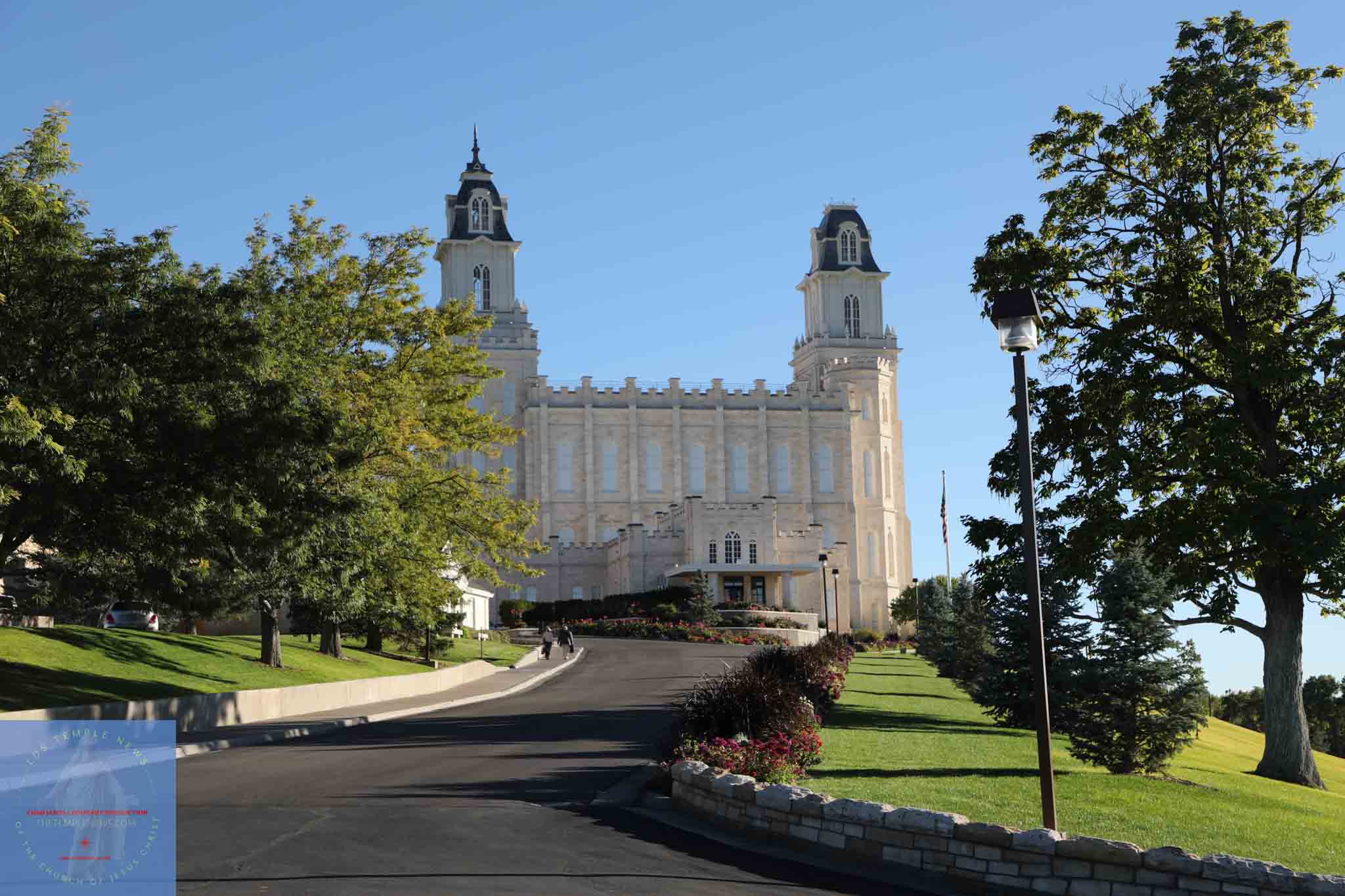
Visit the Manti Utah Temple by LDS Temple News
The Manti Utah Temple, situated at 200 E 510 N, Manti, Utah 84642, stands as the third dedicated temple in operation for the Latter-day Saints. This remarkable House of the Lord has a rich history that dates back to the 19th century, embodying a unique architectural beauty that captivates all who appreciate its significance.
Historical Overview
The journey of the Manti Utah Temple began with its announcement on June 25, 1875. Following this, the groundbreaking and dedication of the site took place on April 25, 1877, led by Prophet Brigham Young. Over the years, the temple has undergone multiple renovations resulting in several dedications and public open houses. Most recently, an open house was held from March 14 to April 5, 2024, showcasing the updates made to this revered House of the Lord. The last formal dedication occurred on April 21, 2024, conducted by Prophet Russell M. Nelson.
Architectural Features
The Manti Utah Temple covers an impressive 74,792 square feet and is built upon 27 acres of land. Its fine-textured cream-colored oolite limestone exterior was quarried directly from the ground where the temple stands, illustrating an intrinsic connection to the site. A notable feature includes its two attached towers, which intrigue onlookers with their design. Interestingly, the temple does not feature a gold-leafed Angel Moroni statue, a common element in many other temples.
A striking aspect of the architecture includes twin self-supporting, open-centered spiral staircases that wind five stories up both octagonal towers on the west side. The walnut handrailings exemplify expert craftsmanship, with no visible joints, and are regarded as an engineering marvel of the pioneer Latter-day Saints.
Notable Interior Highlights
Inside the Manti Utah Temple, one can find four instruction rooms, nine sealing rooms, and a baptistry. The interior is adorned with beautiful murals located in the Creation Room, Garden Room, and World Room, whereas the Terrestrial Room and Celestial Room are devoid of murals. Additionally, a large arching tunnel beneath the east tower, which allowed vehicles to pass from one side to the other, is now closed but can still be viewed as part of the temple’s intriguing history.
Historical Events
The temple has weathered challenges, including a lightning strike in 1928 that caused significant damage to the east tower, burning for three hours. It also has a rich legacy, previously showcasing a live endowment for an impressive 133 years until the practice was discontinued after renovation on October 2, 2021.
Conclusion
The Manti Utah Temple remains a cherished House of the Lord, proudly overlooking the Sanpete Valley from its knoll, often referred to as “Temple Hill.” As its story continues to unfold with recent renovations and ongoing dedication, it serves as a testament to enduring faith and architectural heritage in Central Utah. The grandeur and historical significance of this House of the Lord beckon admirers and enthusiasts alike, making it an essential part of the region’s cultural tapestry.
Manti Utah Temple: A Historical Overview