
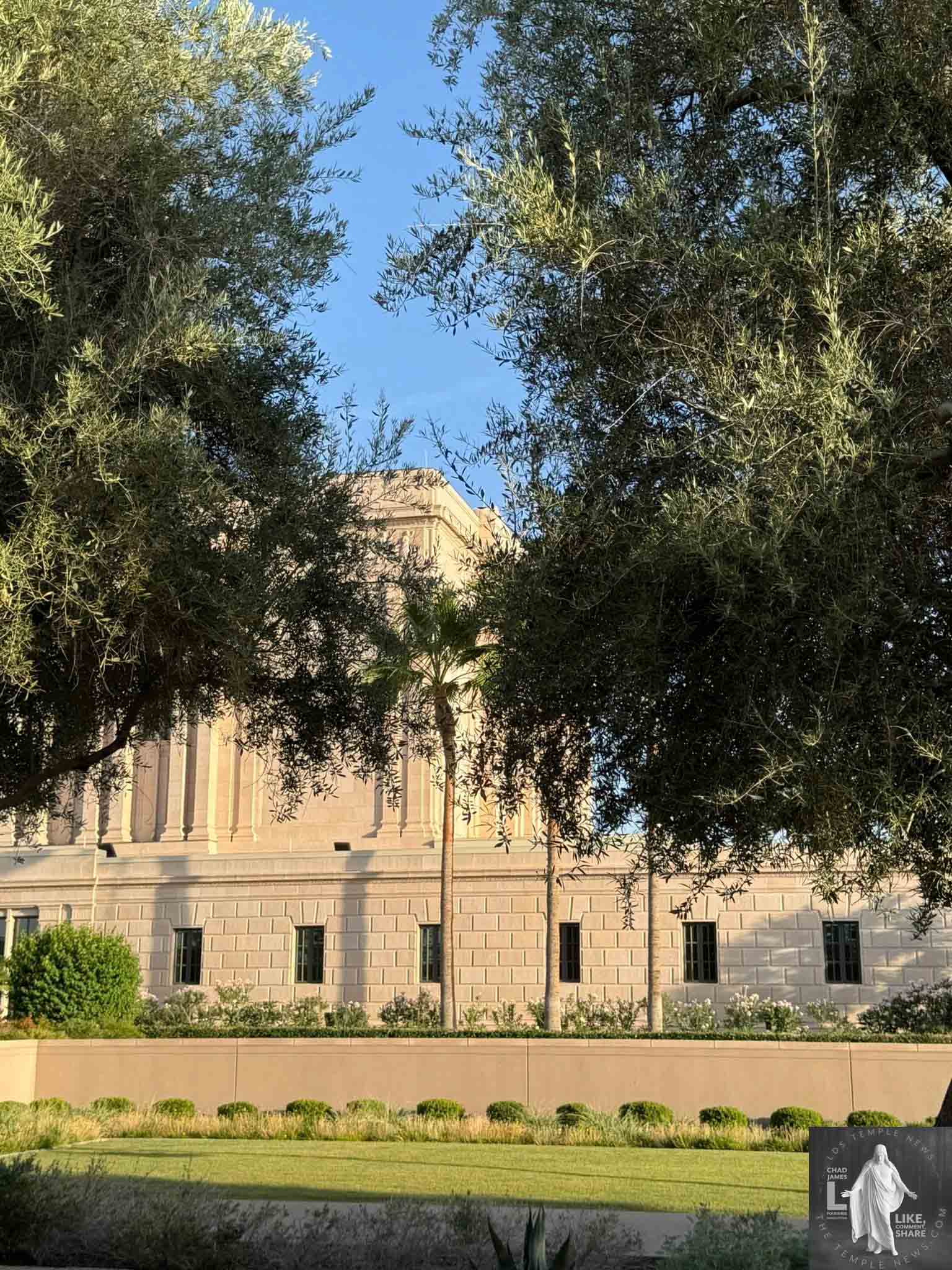
Seasonal Photos at Mesa Arizona Temple
The Mesa Arizona Temple, the seventh dedicated Temple in operation, holds a significant place within the faith’s history. Situated at 101 S. LeSueur, Mesa, Arizona, it embodies both architectural beauty and a rich narrative that spans over a century.
Historical Background
The inception of the Mesa Arizona Temple was announced on October 9, 1919, by the Prophet Heber J. Grant. Following this, important milestones took place, such as the dedication of the House of the Lord for construction on Nov. 28, 1921, by President Heber J. Grant. Groundbreaking occurred on April 25, 1922, marking the beginning of a new chapter for the Latter-day Saints in Arizona.
The House of the Lord was dedicated on October 23, 1927, by Church President Heber J. Grant, who referred to it as a “sermon in stone.” This Temple was notable as the first in Arizona and the first in the continental United States outside of Utah still in operation today.
Architectural Features
Covering an area of 75,000 square feet and constructed on 20 acres, the House of the Lord highlights distinctive architectural elements. Its exterior is finished in concrete reinforced with 130 tons of steel, featuring a glazed egg shell finish. A prominent design includes a single attached end spire, devoid of a Gold-leafed Angel Moroni Statue.
Internally, the Temple encompasses four instruction rooms, six sealing rooms, and one baptistry. Art glass throughout the House of the Lord incorporates clear windows, while the interior showcases historic crystalline chandeliers and matching sconces, creating an elegant environment. The interior doors are crafted in dark walnut finishes, complemented by bronze hardware.
Renovations and Modern Era
The Mesa Arizona Temple has undergone several renovations throughout the years to maintain its historical integrity and enhance functionality. In 1974, it closed for considerable remodeling, which added 17,000 square feet, including new ordinance rooms. The latest renovations began in May 2018, focusing on preserving the interior design and restoring historical light fixtures.
After the extensive renovations, the House of the Lord reopened with renewed vibrancy. It included the dedication of a new visitors’ center on August 12, 2021, by Elder Ulisses Soares. This center aims to integrate messages of faith and history, enriching the spiritual journey of those who engage with the temple.
Cultural Significance
Throughout its history, the Mesa Arizona Temple has played a pivotal role in the lives of many. In 1945, it became the first temple to offer ordinances in a language other than English, introducing Spanish for attendees. This moment marked a turning point for families in Latin America, who contributed significantly to the temple experience.
Additionally, the Temple has been a setting for notable events, such as its yearly Easter pageant and seasonal Christmas light displays. These occasions further connect the Temple with the local community, fostering shared experiences and traditions.
Conclusion
The Mesa Arizona Temple stands as a testament to faith and commitment. Throughout the years, it has become much more than a place of architecture; it represents a rich heritage for many individuals. As the first Latter-day Saint temple in Arizona, it continues to influence and inspire, encapsulating the essence of its mission to serve and uplift.