
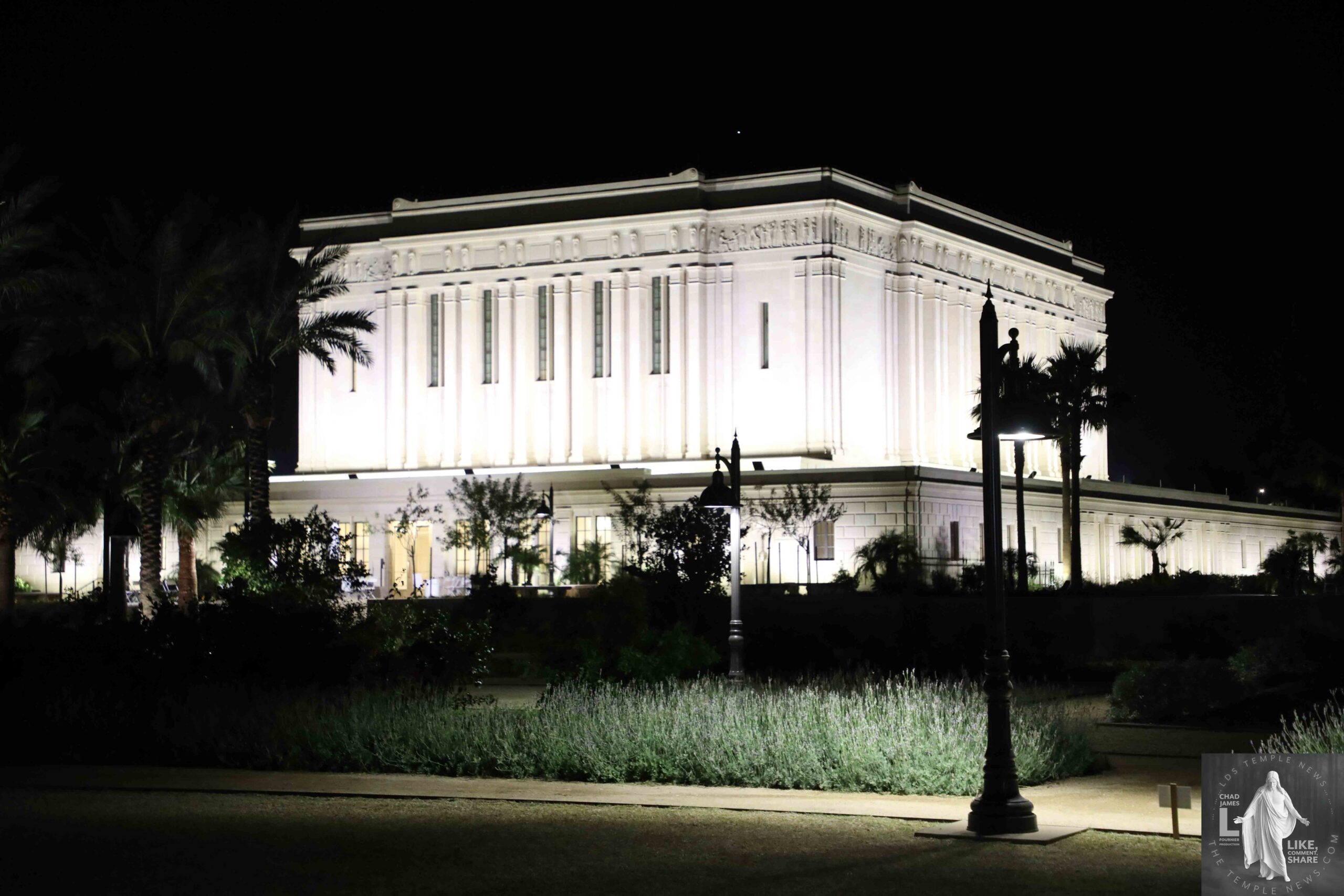
Historical Overview of the Mesa Arizona Temple
The Mesa Arizona Temple stands as a significant landmark in the spiritual landscape of the region. This House of the Lord, located at 101 S. LeSueur Mesa, Arizona 85204, is the seventh dedicated temple currently in operation, reflecting both the rich tradition and the architectural prowess of the faith community.
LDS Temple News Presents Mesa Arizona Temple Photography
The journey toward the creation of this sacred place began with Prophet Heber J. Grant’s announcement to the public on October 9, 1919. This pivotal moment set in motion the groundwork for what would become a cherished spiritual space. The House of the Lord was dedicated on October 23, 1927, by President Heber J. Grant, who noted, “It was considered one of the most carefully measured structures of concrete and steel.”
Groundbreaking and Early Developments
On April 25, 1922, the groundbreaking occurred, with President Heber J. Grant leading the dedication of the construction site. The House of the Lord occupies 20 acres and measures 75,000 square feet, featuring a two-story design that rises to a height of 53 feet, set at an elevation of 1,240 feet.
Architectural Features
The exterior of the House of the Lord is crafted from concrete reinforced with 130 tons of steel, finished in a unique glazed egg-shell style. Notably, it lacks a Gold-leafed Angel Moroni statue, featuring instead a single attached end spire. The architectural elements include a flat roof adorned with sculpted friezes that evoke the themes found in prophetic writings, particularly Isaiah’s promise for the last days.
Interior Design and Artwork
Inside, clear art glass windows illuminate the space, complemented by interior light fixtures that create a serene ambiance. The celestial room showcases crystalline chandeliers, while the sealing rooms echo historical designs with matching lighting fixtures and inlaid wood furnishings. The interior doors, embellished with dark walnut finishes and specialized decorative paints, feature hardware made of bronze, lending both elegance and durability to this sacred space.
Historical Significance
The Mesa Arizona Temple holds a unique place in religious history. It was the first Latter-day Saint temple in Arizona and the first in the continental United States outside of Utah still in operation today. Prior to its dedication, many faithful traveled to the St. George Utah Temple for spiritual ordinances, earning the journey the nickname “Honeymoon Trail.” The House of the Lord was often referred to as a “sermon in stone” for its architectural message.
Language and Accessibility
In 1945, this temple made history by being the first to offer ordinances in a language other than English, introducing Spanish as its second language. This development allowed thousands of families in Latin America to participate in the blessings of the temple.
Renovations and Modern Developments
The House of the Lord has undergone significant renovations to maintain its integrity and relevance. It closed in February 1974 for extensive updates, adding modern amenities while preserving its historical character. Following its closure for renovations in May 2018, a new visitors’ center was dedicated by Elder Ulisses Soares on August 12, 2021. This center aims to integrate key messages surrounding the temple, eternal families, and the teachings of Jesus Christ.
Recent Rededications
After a public open house held from October 16 to November 20, 2021, which attracted approximately 347,000 attendees, the Mesa Arizona Temple was rededicated by President Dallin H. Oaks on December 12, 2021. Each of the three rededication sessions welcomed around 2,400 attendees, signifying the community’s ongoing commitment to this sacred space.
Conclusion
The Mesa Arizona Temple serves as a vital link in the historical and spiritual narrative of the Latter-day Saint movement, reflecting a century of faith, dedication, and service to the community. With its rich history and ongoing relevance, this House of the Lord will continue to inspire countless individuals, fostering a connection to their spirituality for generations to come.