
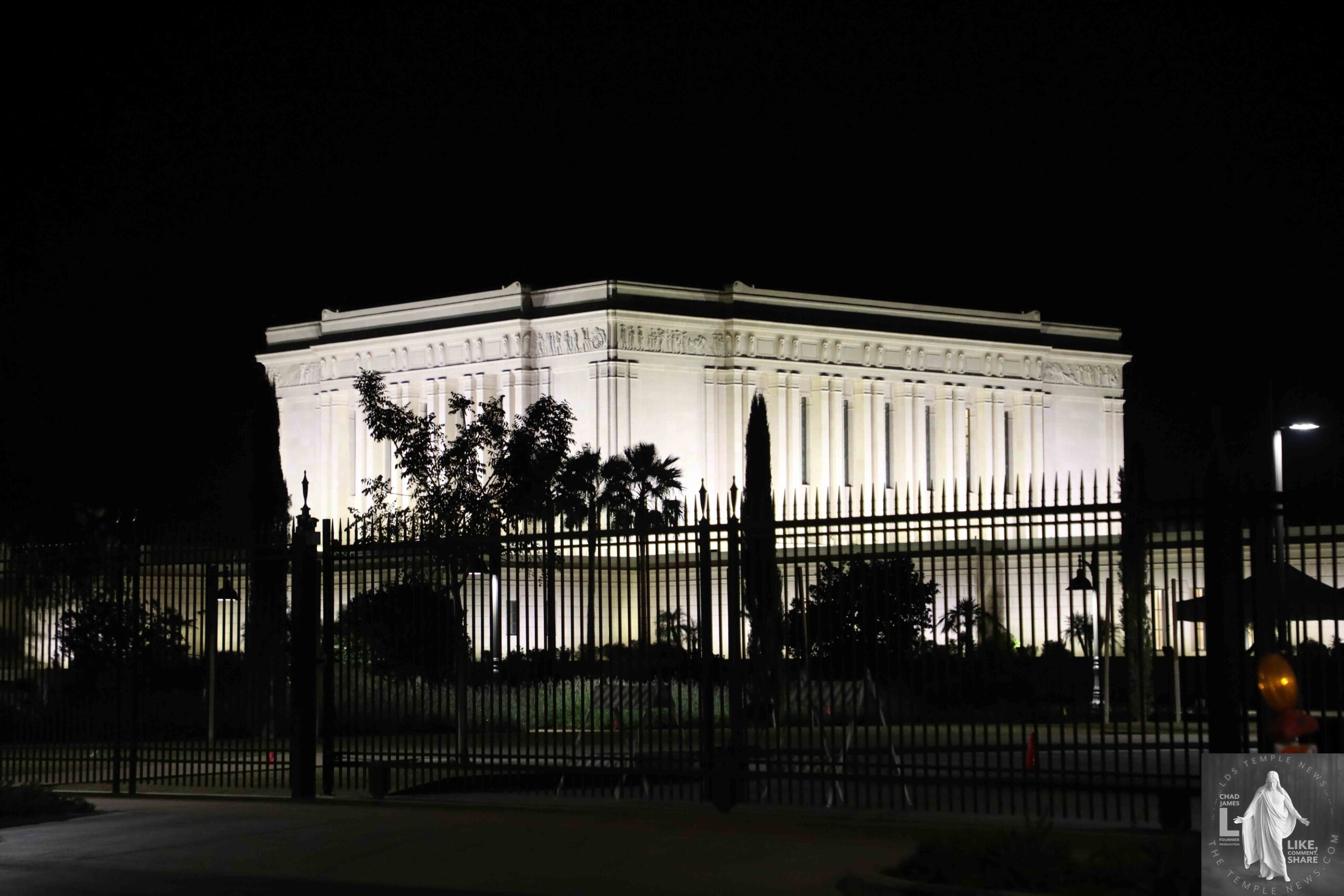
Introduction to the Mesa Arizona Temple
The Mesa Arizona Temple holds a significant place in the hearts of many as the seventh dedicated Temple in operation. Its journey commenced with a visionary announcement by Prophet Heber J. Grant on October 9, 1919, setting the foundation for a sacred House of the Lord that would serve countless individuals and families.
House of the Lord Mesa Arizona Temple by LDS Temple News
Groundbreaking and Construction
The selection of the 20-acre site in Mesa was made on February 1, 1920, by President Heber J. Grant alongside Elder David O. McKay and Elder George F. Richards. Although the dedication for construction took place on November 28, 1921, ground was officially broken five months later on April 25, 1922, by President Heber J. Grant.
Before the temple’s official opening, tours were conducted, allowing around 200,000 individuals to experience its beauty from May 1925 until dedication day. This House of the Lord was dedicated on October 23, 1927, by President Heber J. Grant, who referred to it as a “sermon in stone.”
Rededication and Renovations
The Mesa Arizona Temple underwent a series of renovations to preserve its historical significance. Following a closure in May 2018 for extensive renovations, efforts included the restoration of light fixtures and murals and the installation of modern HVAC systems. The newly dedicated Visitors’ Center by Elder Ulisses Soares on August 12, 2021, further exemplifies the ongoing commitment to enhancing visitor experience.
Architectural Marvel
Structural Features
Constructed with concrete reinforced by 130 tons of steel, the exterior showcases a glazed eggshell finish. Rising to a height of 53 feet, the two-story Temple includes four instruction rooms, six sealing rooms, and one baptistry, covering a total area of 75,000 square feet. The architectural design features a flat roof adorned with intricately sculpted friezes that honor Isaiah’s promise for the last days.
Unique Artistry
The craftsmanship seen within the Mesa Arizona Temple reflects the ethos of elegance and spirituality. The art glass used throughout is made from clear windows, allowing natural light to illuminate the sacred spaces. The interior lighting comprises lustrous crystalline chandeliers in the Celestial Room and historically replicated fixtures in sealing rooms, preserving the 1920s Colonial Revival architecture.
The meticulous attention to detail extends to the wood interior doors finished in dark walnut, with bronze hardware adding a touch of elegance. The baptismal font is encircled by bronze railings, harmonizing with the temple’s overall aesthetic.
Heritage and Impact
A Pillar of the Community
The Mesa Arizona Temple has been a cornerstone for many individuals. It was the first Latter-day Saint temple in Arizona, situated in Maricopa County, and notably, the first temple in the continental United States outside of Utah still in operation. In the late 1800s and early 1900s, many sought services at the St. George Utah Temple, earning the route the nickname “Honeymoon Trail.”
In addition to spiritual significance, the temple hosts events like a yearly Easter pageant and an enchanting display of Christmas lights that attract families each season.
Commitment to Language Inclusion
Historically, the Mesa Arizona Temple has embraced inclusivity, becoming the first to offer ordinances in a language other than English in 1945, significantly aiding many families from Latin America.
Conclusion
The Mesa Arizona Temple stands as a testament to faith, dedication, and architectural brilliance. With its storied past and ongoing commitment to serving individuals, it continues to embody spiritual resilience for current and future generations. The evolution of this sacred House of the Lord ensures that its legacy will endure, inviting many to explore its sacred halls and experiences.