
St. George Utah Temple interior font and oxen are original from 1877
LDS Temple News discusses St. George Utah Temple Photography
The St. George Utah Temple, located at 250 E 400 S, St. George, Utah 84770, holds a prominent place in the history of The Church of Jesus Christ of Latter-day Saints. This site offers a rich narrative filled with dedication, architectural achievement, and significant events spanning over a century.
Discovering the St. George Utah Temple
Announcement and Groundbreaking
The journey of the St. George Utah Temple began on January 31, 1871, when it was officially announced. Just under a year later, on November 9, 1871, the site was ceremoniously dedicated and the groundbreaking took place, led by Brigham Young, the Second Prophet of the church.
Construction Challenges
Constructing the temple presented various challenges, as the site was swampy. To lay a solid foundation, volcanic rock was packed down using cannon fire. This rock is now displayed at the on-site visitor center, showcasing a unique piece of construction history.
Architectural Features
Size and Materials
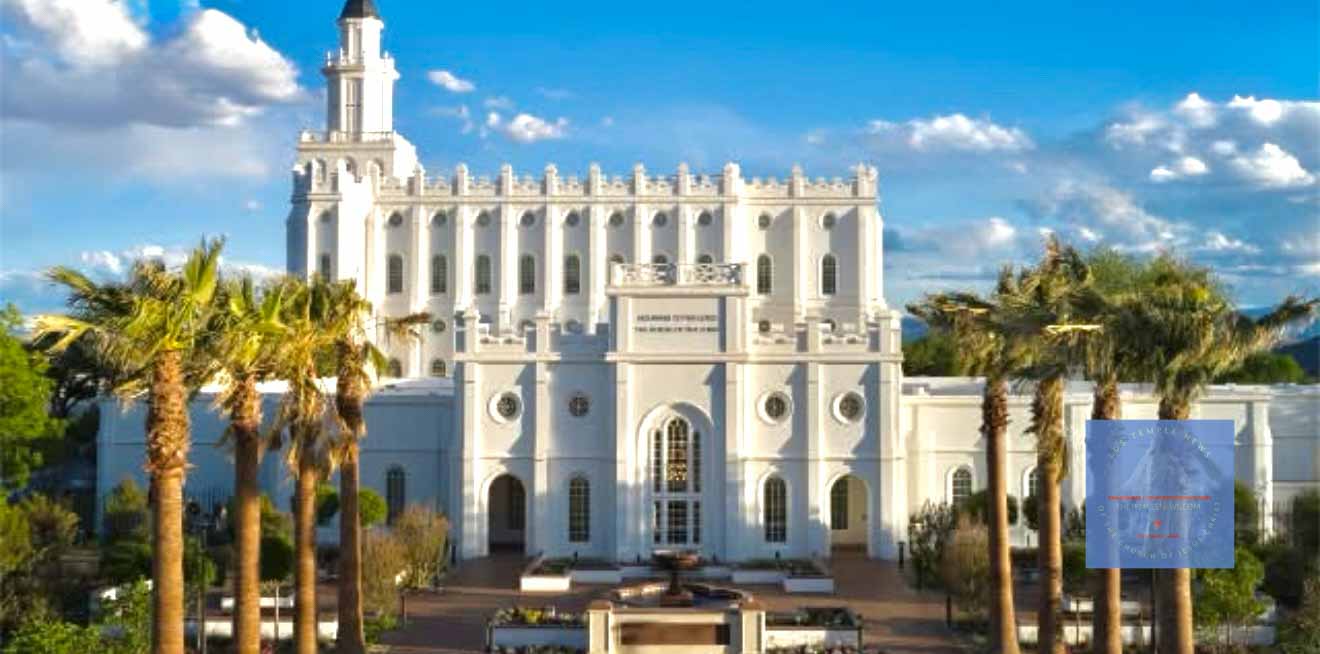
Covering an area of 143,969 square feet, the building stands out both for its size and aesthetic. The exterior finish consists of native redstone sandstone quarried to the north of the city. The stone is complemented by white plastering, with other additions made from precast concrete and steel.
Design Elements
With a height of 175 feet, the St. George Utah Temple features a single attached end tower, which has a storied history. The original tower succumbed to a lightning storm about a year after the dedication, leading to the completion of a new, more magnificent tower in 1883.
Interior Rooms
Inside, the temple is equipped with three instruction rooms, several sealing rooms, and one baptistry. The temple’s intricate layouts serve multiple purposes and facilitate various functions in the religious practices of the church.
Significant Events
Dedication and Early Use
The temple was dedicated on January 1, 1877, through a series of three prayers: Wilford Woodruff dedicated the baptistry, Erastus Snow dedicated the assembly room, and Brigham Young, Jr. dedicated the sealing room. Shortly after, baptisms for the dead began on January 9, and endowments were initiated on January 11, while construction continued in other areas.
A Singular Visit
In a remarkable occurrence, the Founding Fathers of the United States appeared to Wilford Woodruff within the temple, inquiring why their temple work had not been completed. A painting depicting this extraordinary event, titled “That We May Be Redeemed” by Harold I. Hopkinson, graced the temple lobby for decades.
Later Developments
In November 1928, a fire devastated the annex built in 1883; however, remarkable efforts ensured that all records and furnishings were salvaged. This shows the resilience and dedication of those involved in the ongoing preservation of the temple’s treasures.
Recent Open House
The latest public open house, hosted by Apostle Jeffrey R. Holland, ran from September 15 to November 11, 2023. This event provided a chance to experience the temple’s historical significance and architectural beauty firsthand.
Conclusion
The St. George Utah Temple is much more than just an architectural feat; it is a testament to the faith and perseverance of those who brought it to life. From its groundbreaking in 1871 to its continued importance today, this site stands as a true reflection of dedication and legacy in the context of The Church of Jesus Christ of Latter-day Saints.