
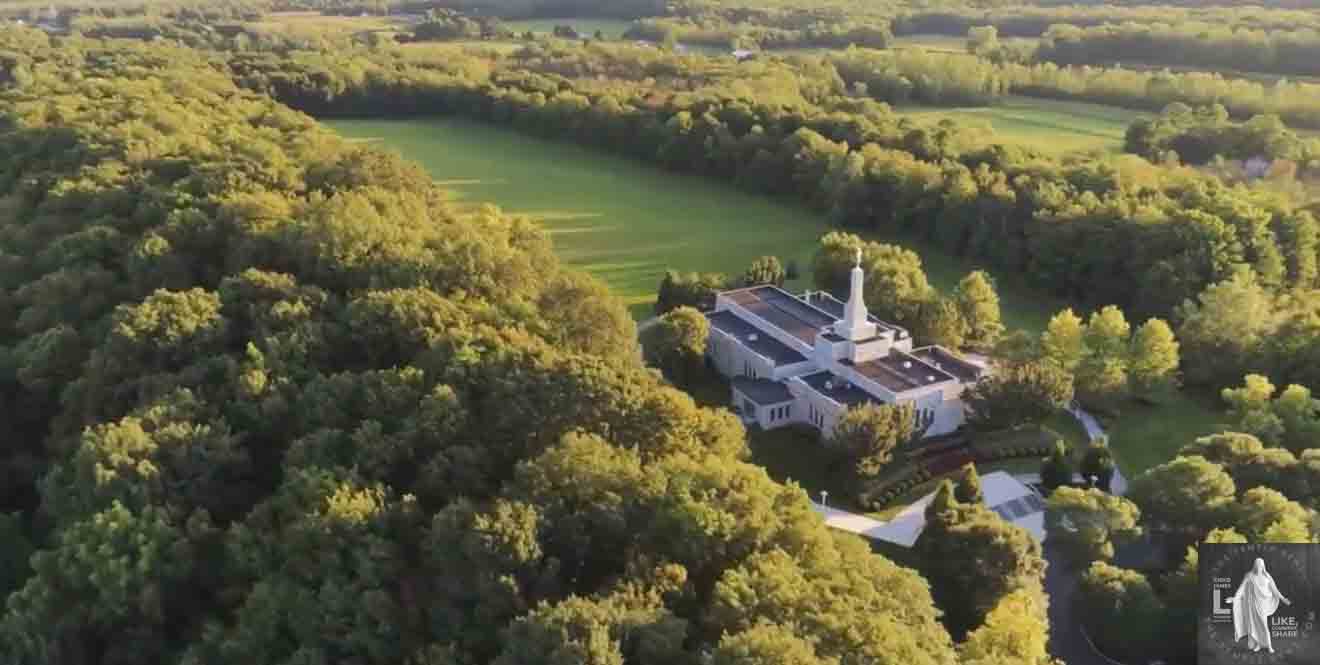
Exploring the Palmyra New York Temple
Nestled in the scenic landscape of Palmyra, New York, the Palmyra New York Temple holds significant importance within the tradition of the Church of Jesus Christ of Latter-day Saints.
Palmyra New York Media LDS Temple News
The Palmyra New York Temple became the 77th dedicated Temple in operation, making its mark as the first Temple established in the state of New York. The announcement for this important addition to the Church’s heritage was made on February 21, 1999. Nearly four months later, the groundbreaking ceremony took place on May 25, 1999. The event was led by Prophet Gordon B. Hinckley, who played a pivotal role in its conception and construction.
Following the completion of this significant endeavor, a public open house was held from March 25th through April 1, 2000, allowing many to experience the intricate design and spiritual essence of the building. The formal dedication occurred on April 6, 2000, a date of profound significance, as it marked exactly 170 years since the Church was organized in Fayette, New York, on April 6, 1830.
Key Features of the Palmyra New York Temple
Covering an area of 10,900 square feet, the Palmyra New York Temple is strikingly designed with a finish of Bethel white granite. Its architectural features include a single attached spire topped with a gold-leaded statue of the angel Moroni, creating an awe-inspiring view against the backdrop of the surrounding terrain.
Facilities Within the Temple
The Temple houses two instruction rooms, two sealing rooms, and a baptistry, designed to provide the necessary space for various activities and services. This well-planned layout emphasizes the importance of the building as a place for personal and spiritual growth.
Location and Significance
Situated on an elevated area just past the Sacred Grove, the Temple is located close to where God the Father and Jesus Christ are believed to have appeared to Joseph Smith in the spring of 1820. This proximity to such a historically significant site adds depth to its meaning.
Architectural and Artistic Elements
The architecture of the Palmyra New York Temple reflects both beauty and reverence. Its stained glass windows, featuring intricate etchings of the Sacred Grove, are a focal point that connects the physical space to its historical roots, embodying the peace and serenity associated with the area.
Conclusion
The Palmyra New York Temple serves as a testament to the faith and dedication of the members of the Church of Jesus Christ of Latter-day Saints. With its rich history and thoughtful design, this Temple not only honors the past but also continues to inspire future generations.
As the 100th announced Temple from the Church, its presence on the original Smith Family Farm, an expansive 100 acres nestled in the Palmyra landscape, further solidifies its significant role in the religious landscape. Its completion marks a notable chapter in the continuing journey of the Church and its members.