
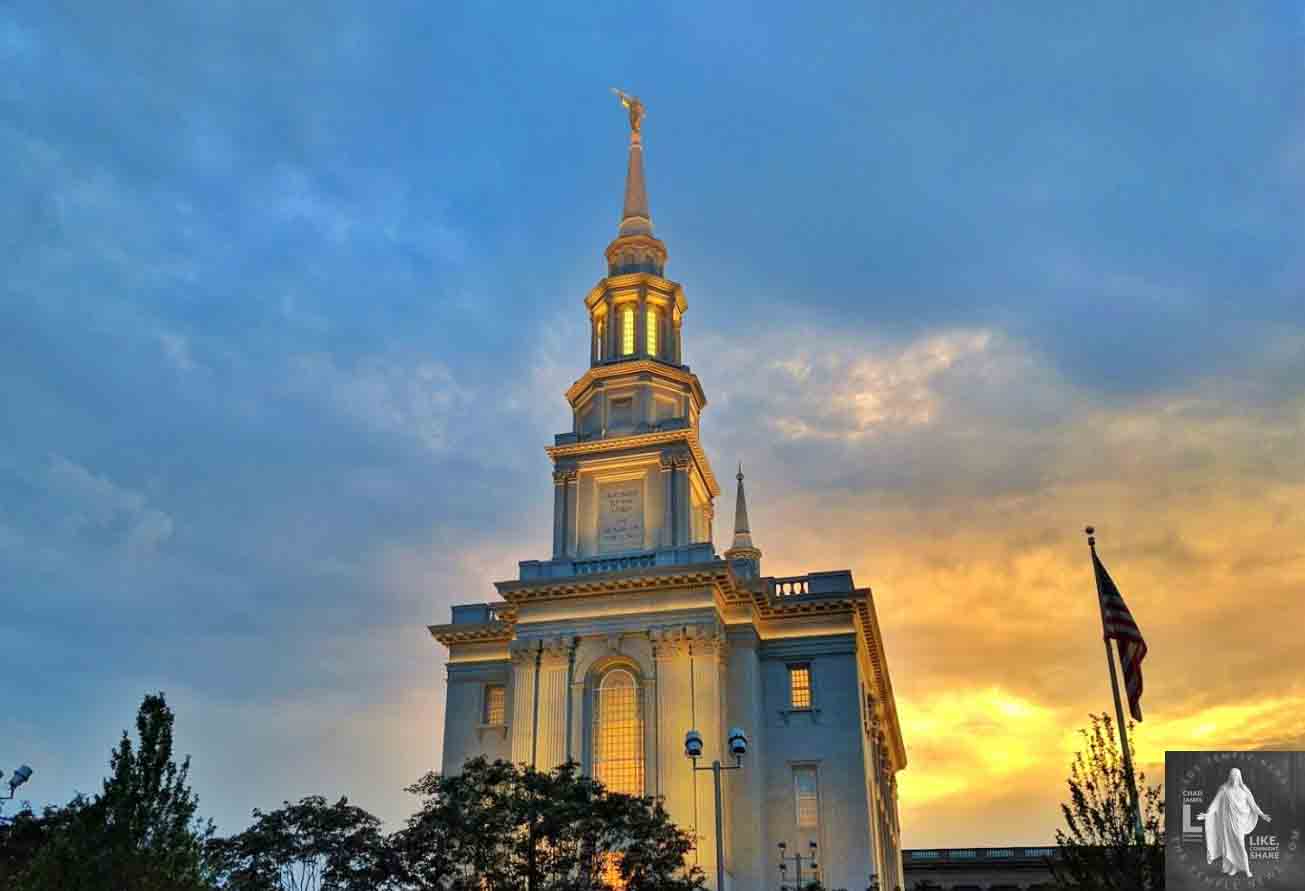
Discovering the Philadelphia Pennsylvania Temple
The Philadelphia Pennsylvania Temple is the 152nd dedicated Temple in operation, standing as a prominent feature in Philadelphia. Located at 1739 Vine St, Philadelphia, Pennsylvania 19103, this Temple has a rich history and intricate design that reflects its significance in the area.
LDS Temple News Presents Philadelphia Pennsylvania Temple a House of the Lord
The journey of the Philadelphia Pennsylvania Temple began on October 4, 2008, when it was announced to the public during the General Conference. The groundbreaking and site dedication took place on September 17, 2011, presided over by Apostle Henry B. Eyring. This date was particularly meaningful, marking the 224th anniversary of the signing of the Constitution of the United States at Independence Hall. Among those present were local dignitaries, including Mayor Michael Nutter. President Eyring remarked on the importance of such buildings, stating, “The work done in these sacred buildings becomes the crowning element of our religious worship.”
A public open house was held from August 10, 2016, to September 9, 2016, attracting approximately 140,000 attendees. The Temple was officially dedicated on September 18, 2016, again by Apostle Henry B. Eyring in the anniversary year of the Declaration of Independence.
Architectural Design
Covering 61,466 square feet and rising to a height of 208 feet 2 inches, this four-story Temple is built on 1.6 acres. The exterior features granite quarried in Maine and fabricated in Canada. A striking architectural element is the single attached end spire topped with a Gold-leafed Angel Moroni Statue, measuring 21 feet, 2 inches tall.
The Temple was designed to complement the neoclassical architecture of its historic Philadelphia surroundings. Its art glass exterior includes opalescent white glass accented with beige and blue. Decorative scallops and roundels accentuate the significant windows in key rooms, while plaster molding and raised bas-relief plaster detailing provide intricate interior design elements.
Interior Highlights
The Temple includes:
- Two instruction rooms
- Four sealing rooms
- One baptistry
The interior boasts various details chosen to enhance its aesthetic. For instance, the inner doors on the lower levels are a simple six-panel style made from cherry wood, while the ceiling designs vary in elaboration, showcasing styles from Doric to Corinthian.
Lighting fixtures throughout are frequently antique brass, consistent with the American Georgian period, while decorative lighting in key areas uses crystal-style fixtures. Original murals created by artists like Linda Curley-Christensen and Douglas Fryer contribute to the Temple’s artistic feel, depicting significant historical moments.
Landscaping and Materials
The landscape surrounding the Philadelphia Pennsylvania Temple features vegetation that includes a variety of trees, shrubs, and flowers native to Eastern Pennsylvania. These choices were made to ensure year-round interest and are designed to seamlessly integrate with the Temple’s environment.
Notable materials used in the construction include:
- Granite quarried in California and fabricated in Minnesota
- Black basalt from China
- Stone types like Samah from Egypt and Perlato from Italy
The unique elements, including the bronze railings in the baptistry, nod to the local culture with decorative motifs inspired by state symbols.
Connection to History
A particularly interesting fact is that the angel Moroni statue on this Temple faces a statue of William Penn at Philadelphia City Hall, symbolically connecting two significant figures in Pennsylvania history.
In conclusion, the Philadelphia Pennsylvania Temple stands not only as an architectural achievement but also as a place that holds deep significance for its community and serves to enrich Philadelphia’s cultural heritage.
Philadelphia Pennsylvania Temple by LDS Temple News