
Discovering the Philadelphia Pennsylvania Temple
The Philadelphia Pennsylvania Temple, the 152nd dedicated Temple in operation, is a remarkable example of contemporary religious architecture and cultural significance. Located at 1739 Vine St, Philadelphia, Pennsylvania 19103, this Temple has become an integral part of the landscape in Philadelphia.
Philadelphia Pennsylvania Temple Media LDS Temple News
The Philadelphia Pennsylvania Temple was first announced to the public on October 4, 2008, by the Prophet during the General Conference. The groundbreaking took place on September 17, 2011, a day marked by history as it coincided with the 224th anniversary of the signing of the United States Constitution at Independence Hall. This momentous occasion saw Church leaders, including Apostle Henry B. Eyring, officiate the site dedication, joined by local dignitaries such as Mayor Michael Nutter. President Eyring remarked, “The work done in these sacred buildings becomes the crowning element of our religious worship.”
Following the construction phase, a public open house allowed a total of 140,000 attendees to explore the Temple from August 10, 2016, to September 9, 2016. The Temple was officially dedicated on September 18, 2016, by President Eyring, in a year that also commemorated the 240th anniversary of the signing of the Declaration of Independence.
Architectural Features
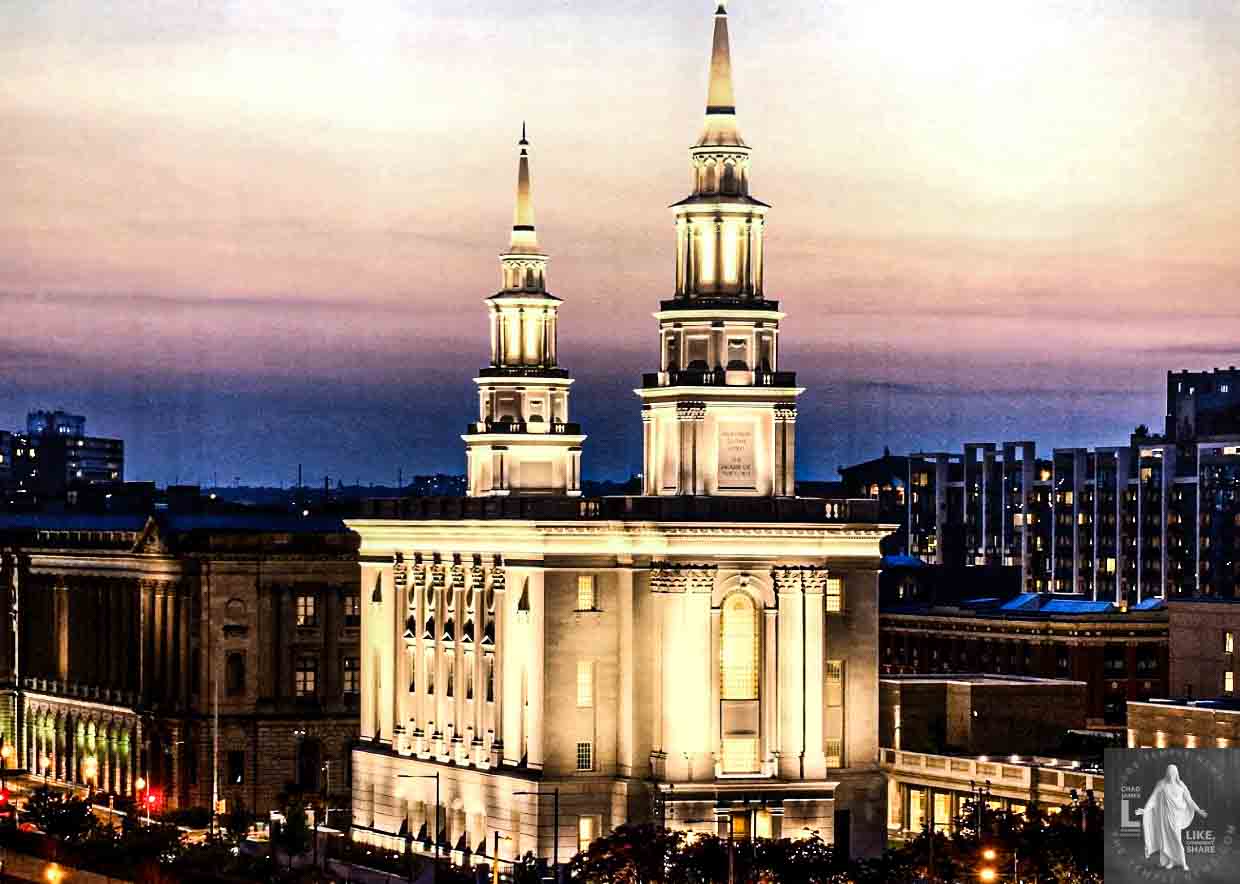
The Philadelphia Pennsylvania Temple occupies 1.6 acres and boasts an impressive 61,466 square feet of floor space. The building stands tall at 208 feet 2 inches, comprising four stories. Its exterior is fashioned from granite quarried in Maine and crafted in Canada, designed to blend with the neoclassical architecture surrounding it. The uniquely single attached end spire features a Gold-leafed Angel Moroni Statue that stands at 21 feet, 2 inches.
Interior Design Elements
As you enter the Temple, you will notice the meticulous detail in its interior. The lighting fixtures throughout reflect antique brass designs typical of the American Georgian period, while decorative elements include both crystal-style and classical motifs. The walls are adorned with raised bas-relief plaster detailing found throughout historic Philadelphia, embodying monochromatic colors of whites and tans.
Flooring and Artwork
Stone types featured in the Temple’s flooring include Samah, quarried in Egypt and processed in Italy, along with Perlato, also sourced from Italy. Some areas display period cherry wood plank flooring. Notable murals enhance the ambiance, such as those in the instruction room by Linda Curley-Christensen, depicting American and Church history.
Landscaping and Exterior Details
The landscape surrounding the Philadelphia Pennsylvania Temple is thoughtfully designed with various trees, shrubbery, and flowers native to the eastern United States. These elements ensure year-round color and texture while complementing the elegant fountain on the grounds.
A Significant Contribution
The Philadelphia Pennsylvania Temple is notable for being the first of its kind within the city, the county, and the state of Pennsylvania. Its construction represents both a spiritual milestone for Latter-day Saints and a testament to the deep historical roots of the area. Moreover, the angel Moroni statue atop the Temple and a statue of William Penn at Philadelphia City Hall, only a half-mile apart, symbolize a remarkable connection across the city.
In summary, the Philadelphia Pennsylvania Temple stands as a testament to architectural beauty, spiritual significance, and central cultural history in Philadelphia.
Philadelphia Pennsylvania Temple by LDS Temple News