
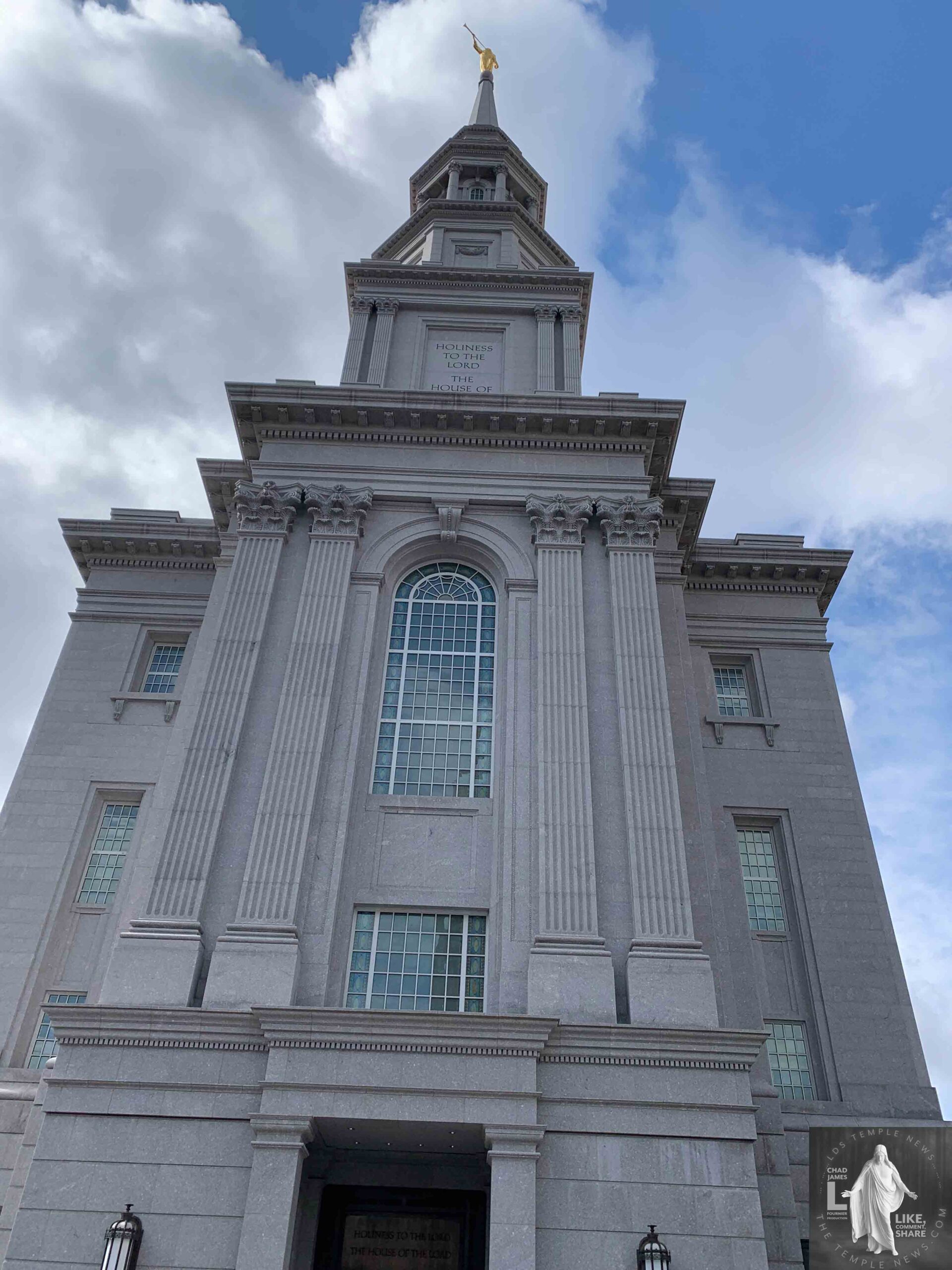
Discovering the Philadelphia Pennsylvania Temple
The Philadelphia Pennsylvania Temple stands as the 152nd dedicated Temple in operation, marking a significant addition to the area. Located at 1739 Vine St, Philadelphia, Pennsylvania 19103, this Temple has become an important spiritual site since its announcement to the public on October 4, 2008, during the General Conference.
Philadelphia Pennsylvania Temple media by LDS Temple News
The groundbreaking and site dedication took place on September 17, 2011, led by Apostle Henry B. Eyring. This event was particularly meaningful as it occurred on the 224th anniversary of the signing of the Constitution of the United States in Philadelphia’s Independence Hall. Alongside local dignitaries, including Mayor Michael Nutter, President Eyring emphasized the importance of this sacred building for Latter-day Saints.

The Temple features a distinctive architectural design that resonates with the neoclassical style prevalent in historic Philadelphia. Clad in granite from Maine and fabricated in Canada, the exterior exudes elegance.
Interior Features
Spanning 61,466 square feet and standing at a height of 208 feet 2 inches, the Temple includes four stories and is situated on 1.6 acres of land at an elevation of 32 feet.
- Rooms and Amenities: Inside, you will find two instruction rooms, four sealing rooms, and one baptistry. The design of these spaces is intended to facilitate a serene and uplifting atmosphere.
- Artistic Elements: The ceilings are constructed of painted gypsum board with a variety of moldings, while the walls feature raised bas-relief plaster detailing reflecting neoclassical motifs. Decorative lighting comprises antique brass lamps and crystal-style fixtures, enhancing the aesthetic throughout the building.
Murals and Decorative Touches
The Temple interior showcases several original murals, including a notable piece by Linda Curley-Christensen, which depicts important sites in both American and Church history. Paint designs inside incorporate low-contrast colors of whites and tans, providing a soft and inviting environment.
Landscaping and Surroundings
The landscaping includes a variety of trees, shrubs, and flowers native to the eastern regions of the United States, selected to provide year-round color while complementing the Temple’s design. Features such as the bronze railing in the baptistry, adorned with glass panels, add to the thoughtful architectural details.
Stone and Materials
The flooring materials chosen align with the American Georgian period, including quarried stone from various locations, ensuring that every aspect of the Temple resonates with both historical and aesthetic significance.
A Monument of Faith and Heritage
The official rendering of the Philadelphia Pennsylvania Temple was unveiled on June 24, 2011, signifying a turning point in its construction journey. President Eyring dedicated the Temple on September 18, 2016, which marked the 240th anniversary year of the signing of the Declaration of Independence.
The Philadelphia Pennsylvania Temple is not just the first Temple built in the city but also in the county and the entire state of Pennsylvania. Its prominent features, such as the Gold-leafed Angel Moroni Statue atop the east spire, symbolize the Temple’s connection to faith and history.
With its rich history and architectural beauty, the Philadelphia Pennsylvania Temple stands as a vital element in the landscape of Philadelphia, representing the spiritual aspirations of its denomination’s faithful. Visitors can gain insight into not only its significance but also the artistic and cultural heritage embedded in its design.
Philadelphia Pennsylvania Temple by LDS Temple News