
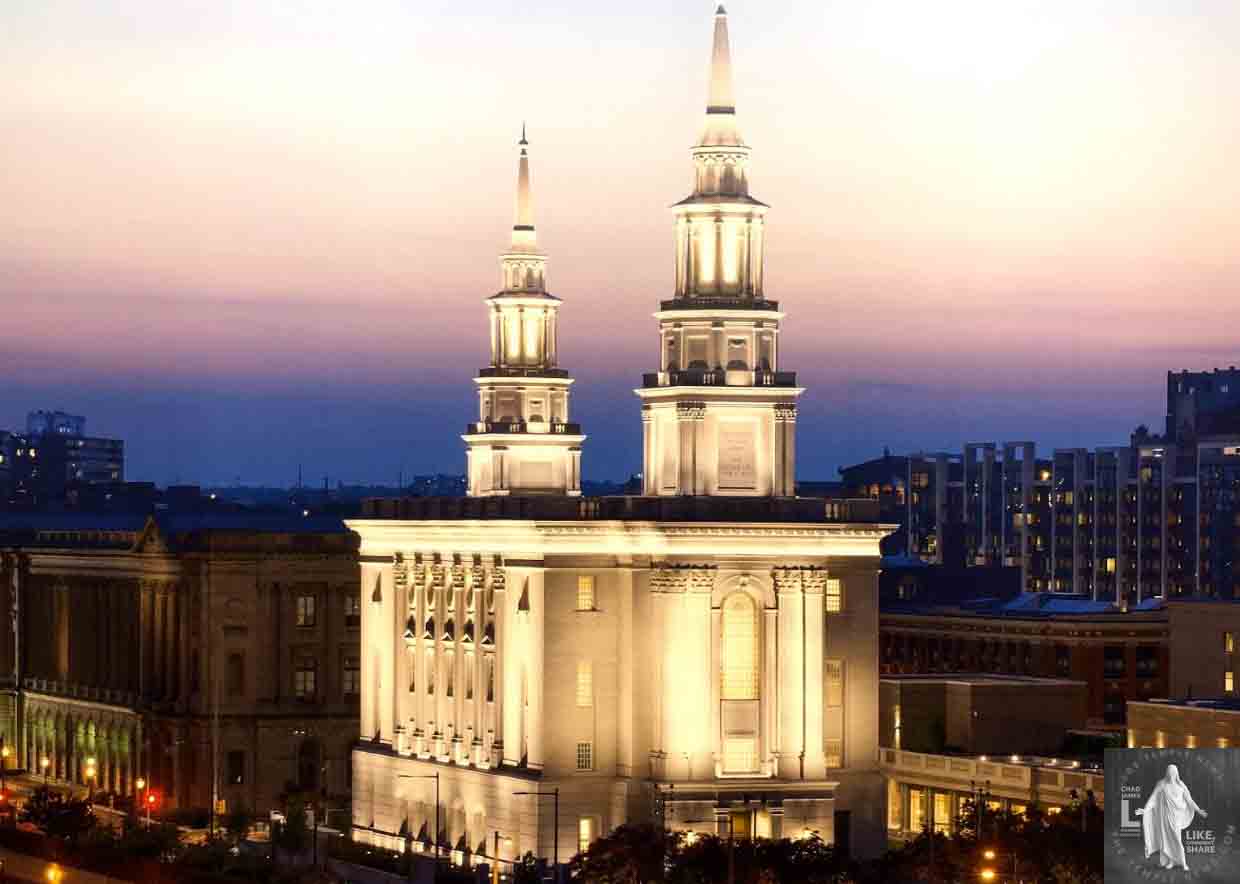
Discovering the Philadelphia Pennsylvania Temple
The Philadelphia Pennsylvania Temple stands as the 152nd dedicated Temple in operation, reflecting both architectural beauty and religious significance. Located at 1739 Vine St, Philadelphia, Pennsylvania 19103, this Temple has become an important site in the region.
Philadelphia Pennsylvania Temple an LDS Temple
The Philadelphia Pennsylvania Temple was first announced to the public on October 4, 2008, by the Prophet during the General Conference. Following this announcement, the groundbreaking and site dedication occurred on September 17, 2011, led by Apostle Henry B. Eyring. This date was particularly notable as it marked the 224th anniversary of the signing of the Constitution of the United States at Independence Hall in Philadelphia. During the event, President Eyring emphasized the importance of these sacred buildings, saying, “The work done in these sacred buildings becomes the crowning element of our religious worship.” The ceremony was attended by local dignitaries, including Mayor Michael Nutter.
After several years of anticipation, the Temple opened for public exploration from August 10 to September 9, 2016, drawing in an impressive 140,000 attendees. Finally, on September 18, 2016, Apostle Henry B. Eyring dedicated the Temple in a ceremony that coincided with the 240th anniversary of the signing of the Declaration of Independence at Independence Hall.
Architectural Features
Design and Materials
Spanning 1.6 acres, the Philadelphia Pennsylvania Temple features an exterior clad in granite sourced from Maine, fabricated in Canada. The overall size of the building is 61,466 square feet, and it stands at an impressive height of 208 feet 2 inches, with an elevation of 32 feet. The design includes a single attached end spire crowned by a Gold-leafed Angel Moroni Statue, which measures 21 feet, 2 inches tall.
Inspired by History
The architectural layout draws inspiration from the neoclassical buildings of historic Philadelphia. The granite-clad edifice was intended to complement the local architecture, with steeples echoing the clock tower on Independence Hall. The interior design reflects sophisticated details with art glass featuring opalescent white hues accented by beige and blue. There’s also intricate plaster work and decorative motifs inspired by Philadelphia’s architectural history.
Interior Features
Within the Temple, there are two instruction rooms, four sealing rooms, and a single baptistry. The interior design is rich in detail, with walls coated in various shades of white and ceilings finished in painted gypsum board. Highlights include:
- Interior Doors: Lower-level doors are crafted from cherry wood, while the exterior doors are made of bronze, featuring a mountain laurel blossom design.
- Lighting: Antique brass and crystal-style fixtures provide illumination, enhancing the elegant atmosphere throughout the Temple.
- Murals: Several original murals add a unique artistic touch, depicting important sites in American and Church history.
Landscaping and Additional Details
The landscape comprises trees, shrubs, and flowers native to the Eastern United States, contributing to the overall aesthetic of the Temple grounds.
Milestones
Significantly, the Philadelphia Pennsylvania Temple is the first Temple built in the city, the county, and the state of Pennsylvania, marking an important chapter in the history of the region.
Conclusion
The Philadelphia Pennsylvania Temple showcases a blend of architectural elegance and historical significance. From its thoughtful design inspired by local history to the intricate details found within, this facility is a vital addition to the fabric of Philadelphia. The dedication and community support for this project highlight its importance to both the local populace and the broader narrative of religious and cultural development in the area.
Philadelphia Pennsylvania Temple by LDS Temple News