
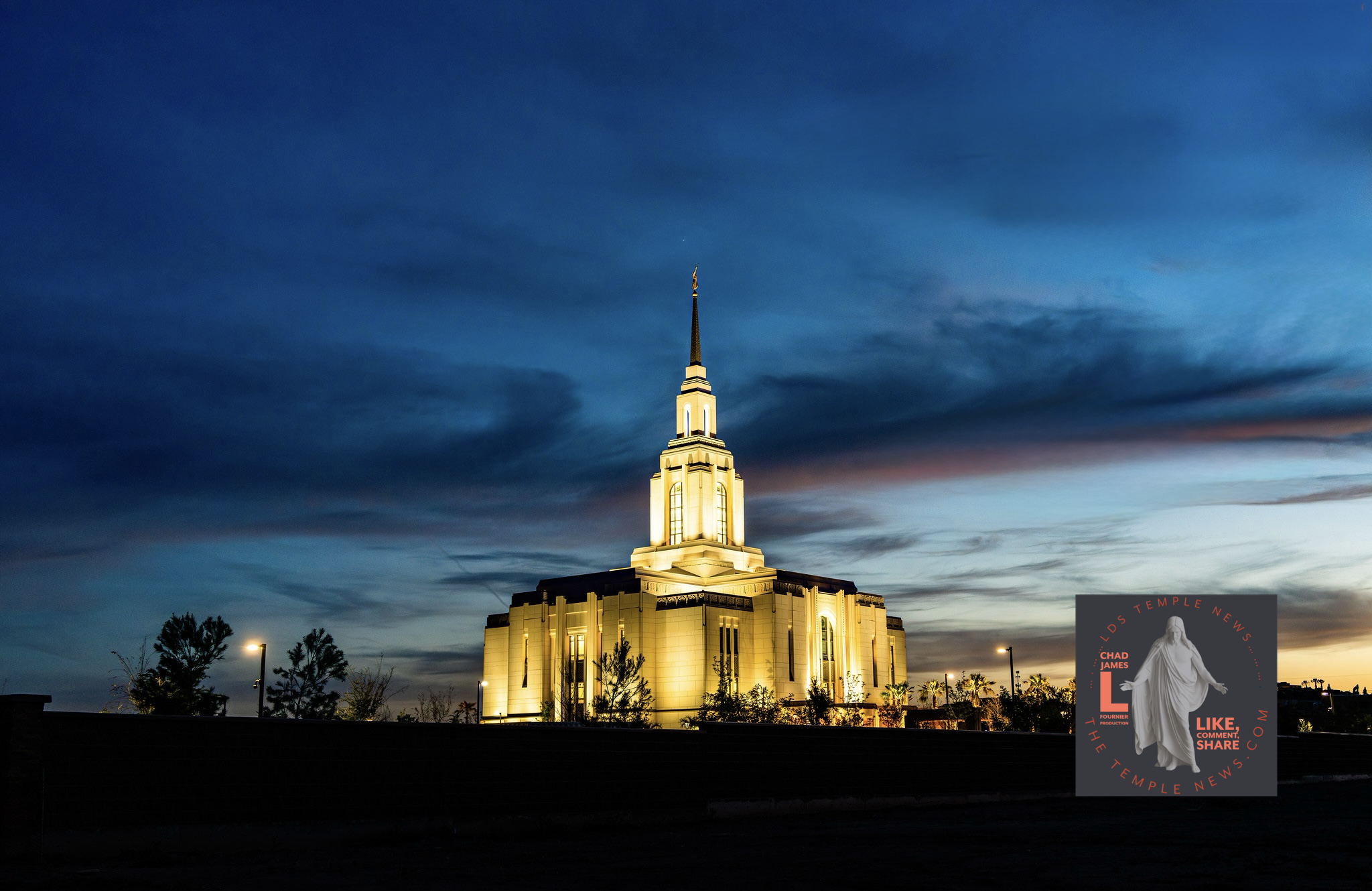
Exploring the Red Cliffs Utah Temple
The Red Cliffs Utah Temple, the 189th dedicated Temple in operation, is a significant addition to St. George, Utah. This beautiful location highlights spiritual importance and architectural elegance at its core.
A Brief Overview
The Red Cliffs Utah Temple was announced by President Russell M. Nelson on October 7, 2018, marking a momentous occasion in the community’s history. Groundbreaking ceremonies took place on November 7, 2020, led by Apostle Jeffrey R. Holland, who honored the pioneers of the area. This extraordinary site spans 15.31 acres and stands 62 feet tall, with its main spire soaring to an impressive height of 217 feet, topped by the golden Angel Moroni statue reaching 230 feet.
Historical Significance
The temple’s official dedication occurred on March 24, 2024, by Apostle Henry B. Eyring. It serves as the second Temple in St. George and the fourth in Utah’s history, establishing St. George, Utah, as the fourth city in the world with more than one Temple. Notably, this announcement came during the 141st anniversary of the St. George Utah Temple.
Architectural Features
The Red Cliffs Utah Temple is designed with a unique architectural style that combines refined desert modern and neoclassical elements. Inspired by the local landscape, it features motifs from Southern Utah’s grand cottonwood trees, mountains, and canyons.
Exterior Highlights
- The exterior is finished with coral-beige precast concrete, featuring stylized cottonwood leaves and deep pilasters that evoke the organic forms found in the area.
- Entry to the Temple is enhanced by two shaded canopies flanking a shimmering reflecting pool.
- Water features include three serene reflecting pools with peaceful waterfalls.
Interior Design
The interior continues this theme, showcasing a breathtaking blend of nature and elegance. Decorative elements such as the baptismal font lighting and stonework reflect the flora and formations of the surrounding landscape.
- Art glass motifs prominently feature local succulents, bearclaw poppies, and Indian paintbrushes, integrating a rich color palette that includes coral, purple, green, and gold.
- Millwork crafted from African sapele mahogany ties in beautifully with both the exterior and the temple’s overall design.
Red Cliffs Utah Temple Flooring and Carpeting
The Temple features custom carpets and tiles designed to blend with the local environment.
- Carpets in areas such as the celestial and sealing rooms are cut-pile nylon in soft, elegant colors to enhance the serene atmosphere.
- The restroom floors feature a blend of tiles echoing the movement and colors of the surrounding cliffs.
Landscaping and Surroundings
The area surrounding the Red Cliffs Utah Temple is meticulously landscaped to reflect the natural beauty of Southern Utah. Palm trees and various flowering plants adorn the entrance, while carefully chosen flora emphasizes drought and salt tolerance.
Red Cliffs Utah Temple Enhancing the Environment
- The temple’s profile is enhanced against the backdrop of rust-hued hills and the Pine Valley Mountains, creating an inviting view from a distance.
- The landscaping incorporates shade structures and walking paths, which provide opportunities for quiet reflection and connection with nature.
Sustainable Design Choices
Natural elements play a vital role in the design of the Red Cliffs Utah Temple. All elements, from structure to landscaping, reflect a commitment to sustainability and harmony with the local ecosystem.
In summary, the Red Cliffs Utah Temple is not only an exquisite work of architecture but also a thoughtful reflection of its surroundings, embodying beauty, function, and a deep sense of heritage. Its presence is significant for the individuals who hold it dear, as well as for those who admire its artistry from afar.