
Exploring the Layton Utah Temple: A Testament of Beauty and Inspiration
The Layton Utah Temple stands as the 195th dedicated temple in operation within The Church of Jesus Christ of Latter-day Saints. Nestled on 11.18 acres at 1400 Oak Hills Drive, Layton, Utah 84040, this magnificent House of the Lord offers a unique blend of historical and architectural significance.
Architectural Design and Features
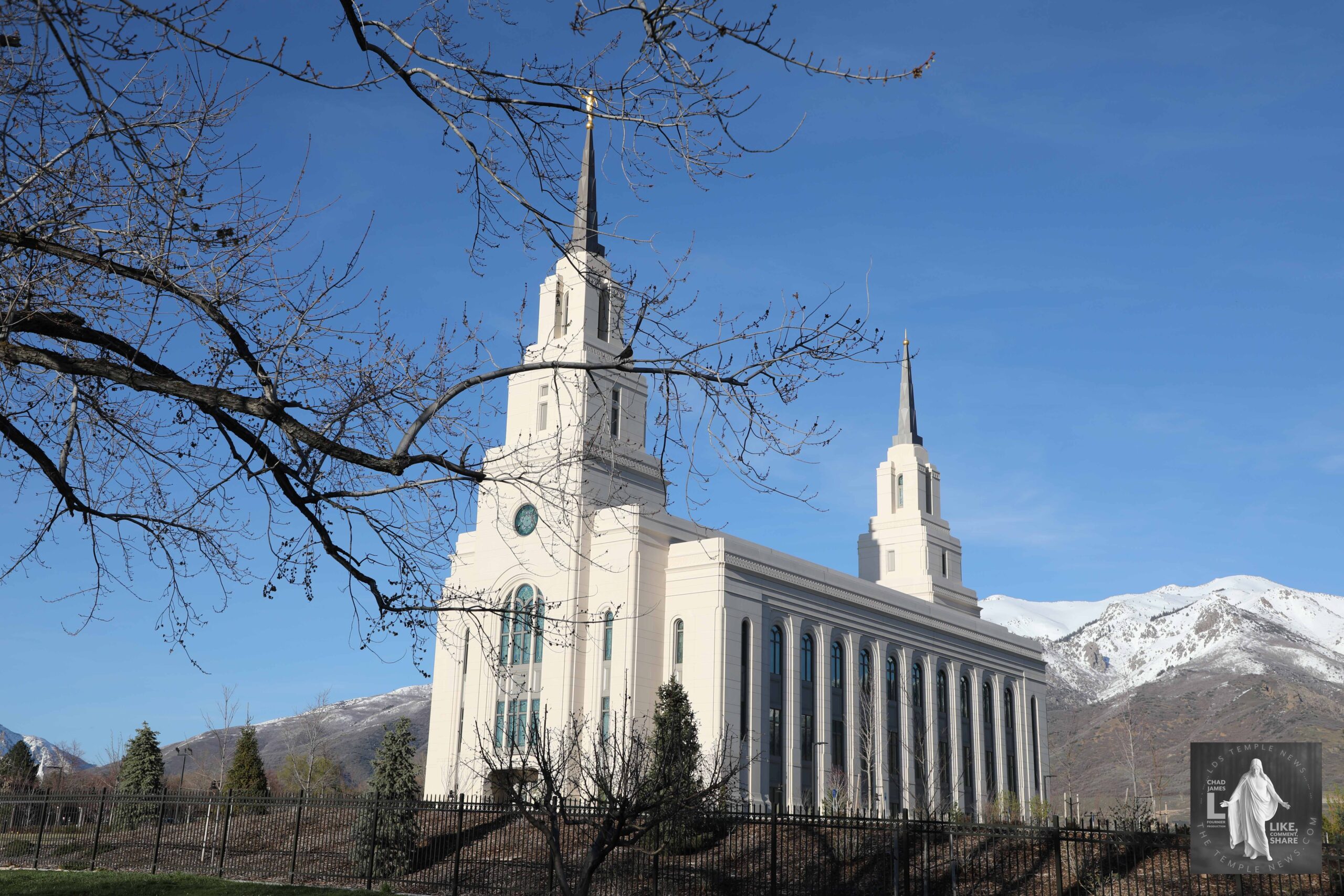
The exterior of the Layton Utah Temple is crafted from precast concrete panels, featuring design elements that honor the agricultural heritage of the Layton area while embracing the influences of European Art Nouveau. This architectural style is known for its organic shapes and floral motifs, which are echoed in the structure. Key elements include abstractions of fruit trees and flowers, representing the agrarian roots of the region, which are prominently displayed in both the exterior friezes and window designs. Cascading arched windows add a touch of softness to the temple’s overall design.
Two attached end spires reach toward the sky, crowned by a gold-leafed Angel Moroni statue, making this House of the Lord an iconic feature within the landscape.
Interior Details
Inside, the Layton Utah Temple covers a considerable area of 93,539 square feet and rises to a height of 215 feet, positioned at an elevation of 4,468 feet. The interior consists of four instruction rooms, six sealing rooms, and one baptistry, each crafted to underscore the elegant design influence found throughout the House of the Lord.
Artistic Touches
Stained glass windows reveal a seedling evolving into a fruit tree, symbolizing growth and fertility. The millwork highlights recessed details inspired by fruit tree blossoms, found in various features including pilasters and altar designs. The artistic theme continues with decorative light fixtures and wall patterns incorporating organic curves and floral designs, creating an atmosphere of warmth and elegance.
Unique Art Pieces
Several original works of art enhance the interior environment, including:
- “Zion’s Mount” by Josh Clare
- “Layton Morning” and “Layton Evening” by David Dibble
- “Ascension of Christ” by Michael Malm
- “Beside the Creek” by Ken Stockton
- “Mountains In Winter – Farmington Utah” and “Winter in Liberty” by LeConte Stewart
Each piece contributes significantly to the overall aesthetic experience of the temple.
Grounds and Environment
The landscaping surrounding the Layton Utah Temple is beautifully arranged with over 400 trees—shade, flowering, and evergreens—alongside thousands of shrubs and perennials. A granite fountain gracefully features cascading water, and the plaza at the west end highlights pavers that echo the design of the temple’s large entry windows.
The temple’s interior design elements are enhanced with carpeting manufactured in the USA, showcasing a palette of cream, gold, and green tones. Custom area rugs in key areas incorporate vibrant colors and stylized organic patterns, adding to the rich visual experience.
The innovative use of materials, such as quarried stone from Turkey, blends seamlessly with the temple’s architectural design, further enriching the environment. Dark wood paneling, coffered ceilings, and decorative bronze hardware complete the serene and inviting atmosphere.
Historical Context
The Layton Utah Temple’s groundbreaking ceremony took place on May 23, 2020, led by Craig C. Christensen. Originally scheduled for May 30, the date was adjusted in light of public health considerations during the COVID-19 pandemic. The temple was officially announced by Prophet Russell M. Nelson on April 1, 2018, culminating in dedication on June 16, 2024, by Apostle David A. Bednar.
The temple’s public open house ran from April 19, 2024, through June 1, 2024, allowing many individuals to experience the beauty and tranquility of this sacred space.
In summary, the Layton Utah Temple is a remarkable testament to both architectural ingenuity and cultural heritage, reflecting the rich traditions and beliefs of its community. Its design, artistry, and serene surroundings create a distinctive and remarkable manifestation of devotion and inspiration.