
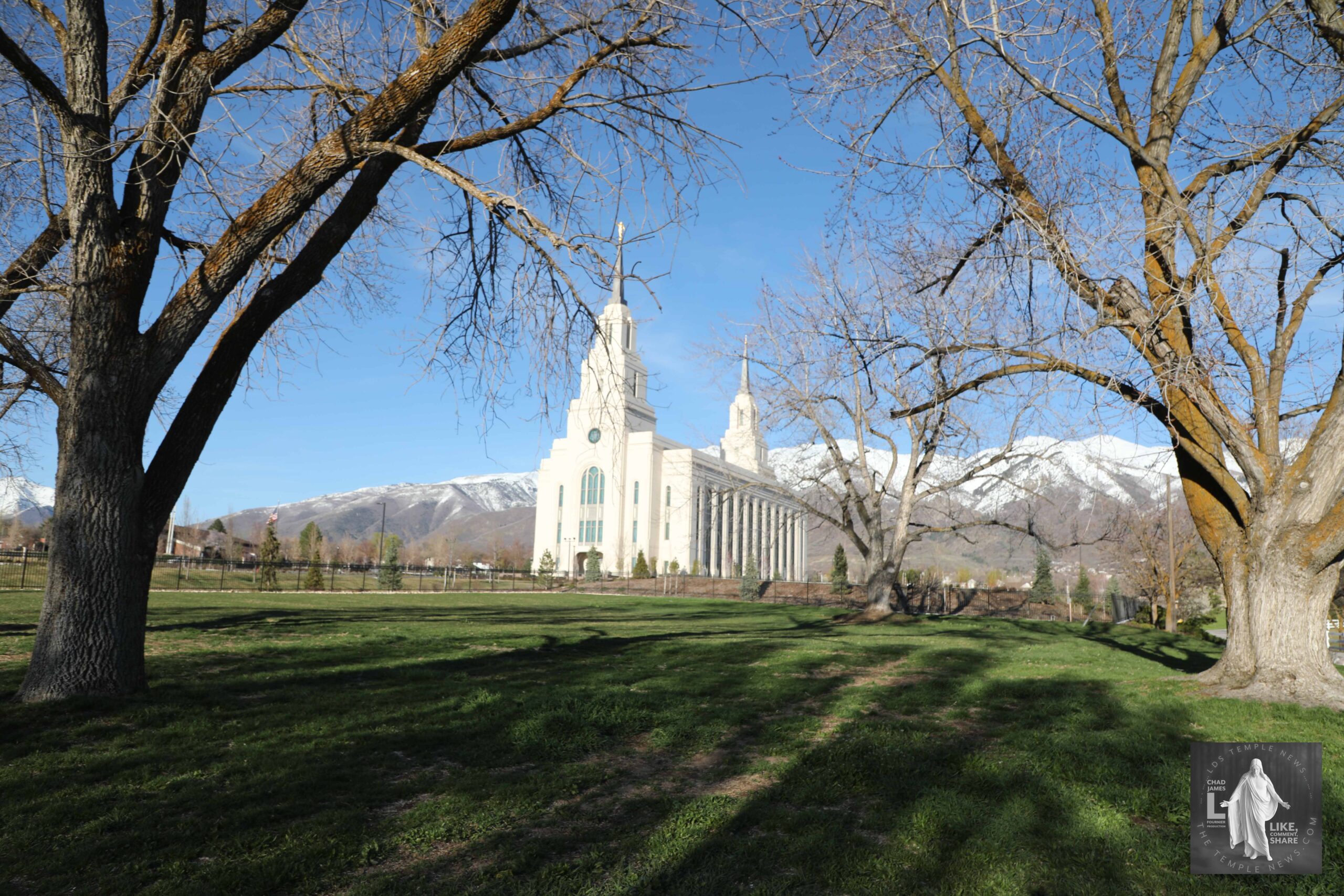
Exploring the Layton Utah Temple
The Layton Utah Temple proudly stands as the 195th dedicated temple in operation within the Latter-day Saint faith. Set on a sprawling 11.18 acres, this remarkable House of the Lord can be found at 1400 Oak Hills Dr, Layton, Utah 84040.
Architectural Features
The exterior of the Layton Utah Temple features precast concrete panels and is inspired by both traditional architecture and the agricultural history of the Layton area. Notably, the building incorporates elements of European Art Nouveau, known for its organic shapes and floral motifs. Design features include abstractions resembling fruit trees and flowers, which celebrate the agrarian roots of the local community. Cascading arched windows soften the distinct lines of the temple, creating an inviting presence.
An eye-catching element is the dual spires topped with a gold-leafed statue of Angel Moroni, emblematic of the faith. The overall height of the temple reaches 215 feet, standing tall at an elevation of 4,468 feet. Covering an area of 93,539 square feet, it holds the distinction of being the twenty-second temple built in Utah and the second in Davis County, following the Bountiful Utah Temple.
A Rich History
The announcement of the Layton Utah Temple took place on April 1, 2018, during the 188th General Conference by Church President Russell M. Nelson. Groundbreaking for this House of the Lord occurred on May 23, 2020, led by Craig C. Christensen. Originally set for May 30, 2020, the ceremony was advanced due to the ongoing pandemic, highlighting the necessity for modified gatherings.
After years of anticipation and construction, the public open house for the Layton Utah Temple is scheduled from April 19, 2024, to June 1, 2024. The temple will be dedicated by Apostle David A. Bednar on June 16, 2024.
Interior Design
Upon entering, one can appreciate the intricate details that reflect the outside environment. The interiors feature seedling, cherry blossom, and leafy branch motifs that seamlessly blend with the overall design. The millwork showcases recessed details inspired by fruit tree blossoms and leaves, creating a harmonious experience.
The interior includes four instruction rooms, six sealing rooms, and one baptistry. Art glass windows depict the journey of a seedling growing into a fruit tree, aligning with the natural themes throughout the temple. A stunning antique Tiffany art glass piece titled “The Resurrection” adds a touch of history and beauty to the entrance of the second-floor waiting area.
Custom carpets manufactured in the USA adorn the temple, featuring various tones that complement the decor. The stone used in high-traffic areas is quarried from Turkey, with a varied palette that reflects the overall theme of the House of the Lord.
Unique Features and Artwork
The artwork displayed throughout the temple is specifically chosen or created to resonate with the overall mission of the temple. Notable pieces include:
- “Zion’s Mount” by Josh Clare, Living, Utah
- “Layton Morning” and “Layton Evening” by David Dibble, Living, Utah
- “Ascension of Christ” by Michael Malm, Living, Utah
- “Beside the Creek” by Ken Stockton, Living, Arizona
- “Mountains In Winter – Farmington Utah” and “Winter in Liberty” by LeConte Stewart, Utah, 1891 – 1990
With its captivating architecture, rich history, and thoughtful interior design, the Layton Utah Temple emerges as a significant addition to the landscape and collective spirit of the community it serves.