
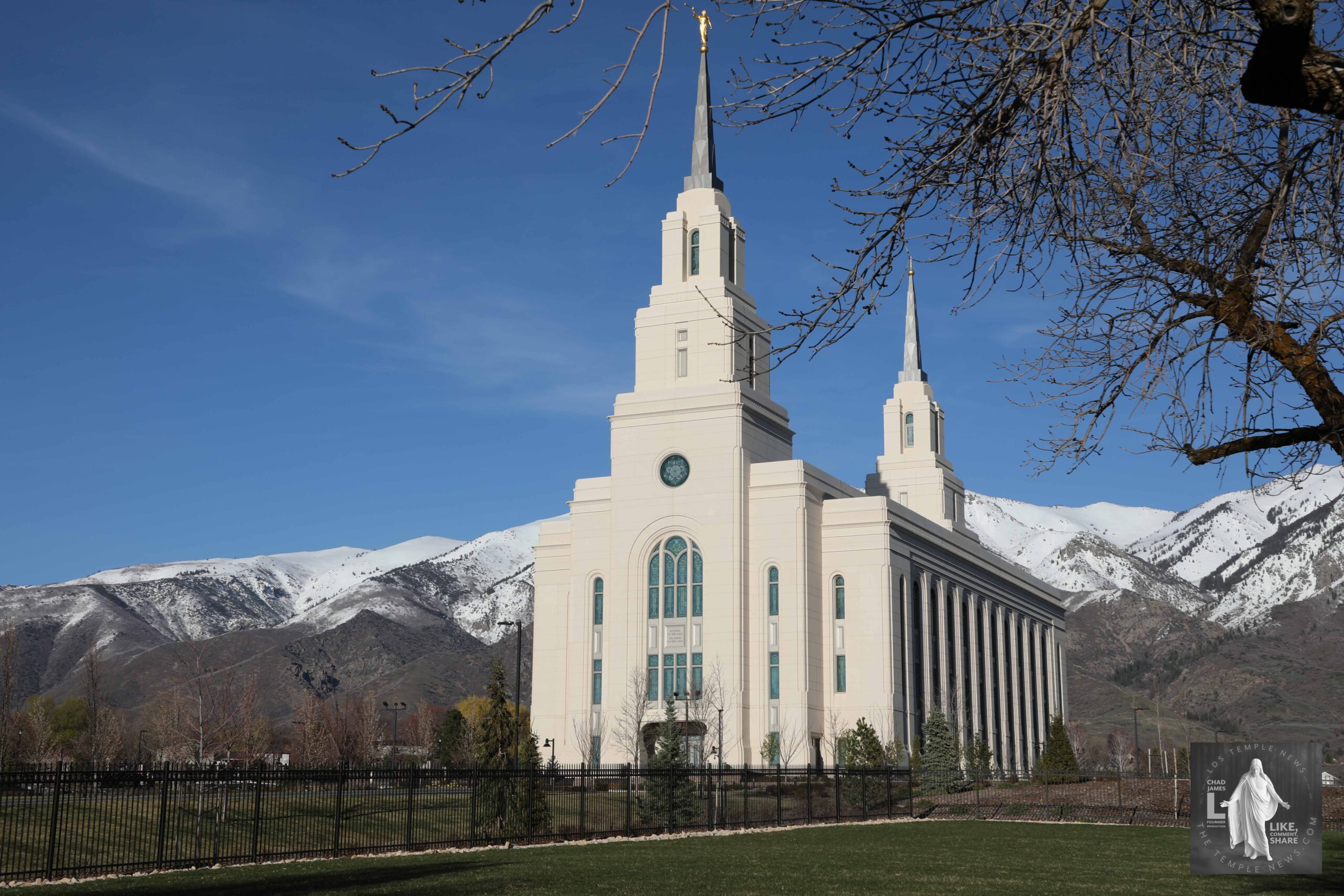
Exploring the Layton Utah Temple
The Layton Utah Temple stands as the 195th dedicated temple in operation within the global network of temples. Nestled at 1400 Oak Hills Dr, Layton, Utah 84040, it occupies a generous 11.18 acres and showcases the architectural heritage and history of its surrounding area.
Architectural Highlights
The exterior of the Layton Utah Temple is crafted from precast concrete panels, reflecting both traditional Latter-day Saint architecture and design elements inspired by European Art Nouveau or Secessionism. This style incorporates organic shapes and floral motifs that echo the agricultural background of Layton City. The motifs found throughout this magnificent House of the Lord include abstractions of local fruit trees and flowers, represented in an Art Nouveau aesthetic. Cascading arched windows enhance its visual appeal, creating a gentle transition from sharp edges to flowing curves.
Spires and Flourishes
One of the most striking features of the Layton Utah Temple is the end spire, topped with a gold-leafed statue of the Angel Moroni, a symbol of the faith of its members. This touch exemplifies the attention to detail and devotion evident in the construction of this House of the Lord.
Interior Design
Inside, the temple encompasses 93,539 square feet and reaches a height of 215 feet. It includes four instruction rooms, six sealing rooms, and one baptistry, all designed to facilitate spiritual learning and family connections. The interior design reflects the themes of nature, with designs mimicking seedlings, cherry blossoms, and leafy branches. Millwork displays recessed details inspired by local flora, seen in various elements such as recommend desks and pew end panels.
Landscaping and Surroundings
The grounds surrounding the temple are equally inviting, featuring over 400 shade, flowering, and evergreen trees, alongside thousands of shrubs and perennials. A granite fountain cascades water, enhancing the serene environment. The plaza at the west end showcases pavers that mirror the design of the large entry windows.
Artistic Elements
A noteworthy feature of the interior is a stunning antique Tiffany art glass piece located at the entrance of the second-floor patron waiting area. This unique window, entitled “The Resurrection,” originates from a United Presbyterian Church in New York and adds historical depth to the temple’s ambiance.
In terms of flooring, the temple’s carpeting is a representation of craftsmanship, made from broadloom nylon and displaying a palette of cream, gold, and green tones. Decorative carpeting in various rooms reflects the Art Nouveau style, featuring vibrant colors and organic forms.
Materials and Colors
The stone used in high-traffic areas of the temple comes from Turkey and is milled in China, providing durability and visual consistency. The color palette includes Burder Grey and Burder Blanco, combined with a leaf pattern in hundreds of shades. Inside, dark wood paneling crafted from African Anigre lends an elegant touch to the walls and ceilings, while decorative bronze hardware and themed lighting fixtures unify design elements throughout the temple.
Historical Timeline
The Layton Utah Temple was announced on April 1, 2018, during the 188th General Conference by Church leaders. Groundbreaking took place on May 23, 2020, led by Craig C. Christensen, under unusual circumstances due to the COVID-19 pandemic. The public open house occurred from April 19, 2024, through June 1, 2024. The temple was dedicated by Apostle David A. Bednar on June 16, 2024.
The Layton Utah Temple is not just a place of significance for individual members; it embodies the artistic and spiritual aspirations of the community. From its architectural details to its beautifully landscaped surroundings, this House of the Lord signifies a dedication to faith and continuity, making it a remarkable addition to the heritage of Utah.