
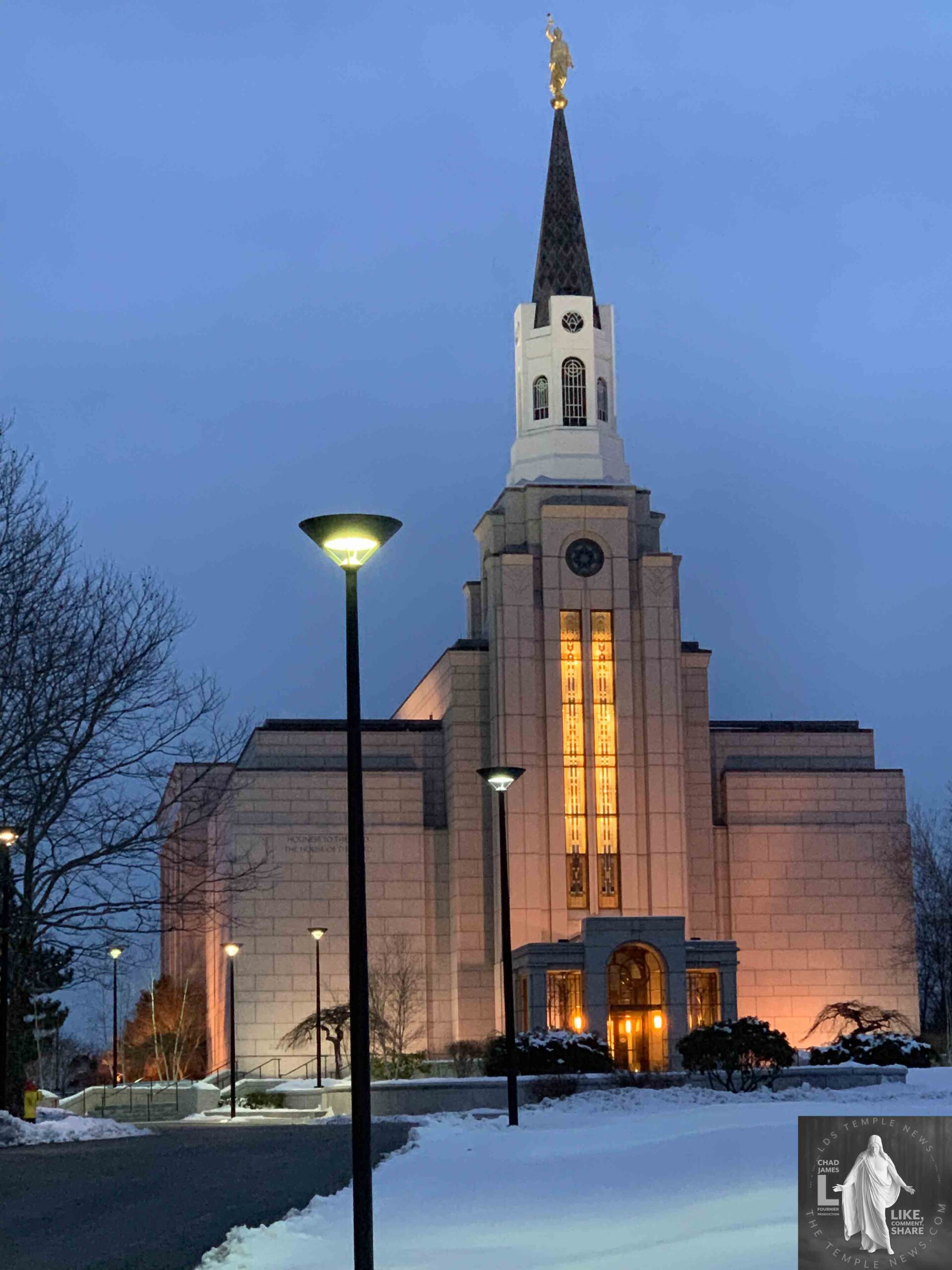
Boston Massachusetts Temple Photography by LDS Temple News
Nestled on a serene hillside in Belmont, Massachusetts, the Boston Massachusetts Temple stands as the 100th dedicated temple currently in operation. Situated at 100 Hinckley Way, this remarkable place invites individuals to explore its rich history and stunning architecture.
Beginnings and Development
The journey for the Boston Massachusetts Temple began with an announcement on September 30, 1995. Groundbreaking took place on June 13, 1997, with Apostle Richard G. Scott presiding over the dedication of the site. After years of anticipation, a public open house ran from August 29 to September 23, 2000, allowing many to get a closer look at this beautiful setting. The temple was dedicated by Prophet Gordon B. Hinckley on October 1, 2000.
Architectural Highlights
Covering an impressive 69,900 square feet, the Boston Massachusetts Temple features a stately exterior crafted from Olympia white granite. One of its striking elements is the single attached end spire, topped by a gold-leafed statue of Angel Moroni, which was finally added on September 21, 2011.
The layout includes four instruction rooms, four sealing rooms, and a single baptistry, expertly designed to accommodate a variety of needs. At a height of 139 feet, the temple graces the skyline and is visible from the Concord Turnpike, enhancing its prominence in the area.
Setting and Environment
Situated on eight acres, the temple is thoughtfully placed atop a wooded granite hillside. This picturesque environment adds to its tranquil ambiance, making it a perfect spot for reflection and inspiration. A meeting house is conveniently located in the same parking lot, further supporting those who frequent the area.
Historical Significance
The Boston Massachusetts Temple holds the distinction of being the first temple constructed in New England. It’s remarkable to think that a year after its dedication, it was graced with its impressive 139-foot spire, marking a significant moment in its history.
The Boston Massachusetts Temple continues to inspire those who visit, standing as a cherished part of the local landscape and its history.