
Dallas Texas Temple Media LDS Temple News
The Dallas Texas Temple holds a significant place in the history of Texas, being the first Temple ever built in the state. Located at 6363 Willow Ln, Dallas, Texas 75230, this sacred House of the Lord serves as an important spiritual center for its congregation.
Discovering the Dallas Texas Temple
The journey of the Dallas Texas Temple began with its announcement on April 1, 1981. The groundbreaking and dedication occurred on January 22, 1983, under the leadership of Prophet Gordon B. Hinckley. During this notable occasion, he expressed the monumental importance of the House of the Lord, stating, “I feel today in this great state, and all this vast territory, there is no building of such tremendous significance as will be the building we begin this day.”
The temple’s public open house took place from September 7 to September 26, 1984, attracting over 88,000 individuals eager to tour its inspiring spaces. Following this event, the House of the Lord was ceremoniously dedicated from October 19 to October 24, 1984, also by Prophet Gordon B. Hinckley. A subsequent rededication occurred on March 5, 1989.
Architectural Features
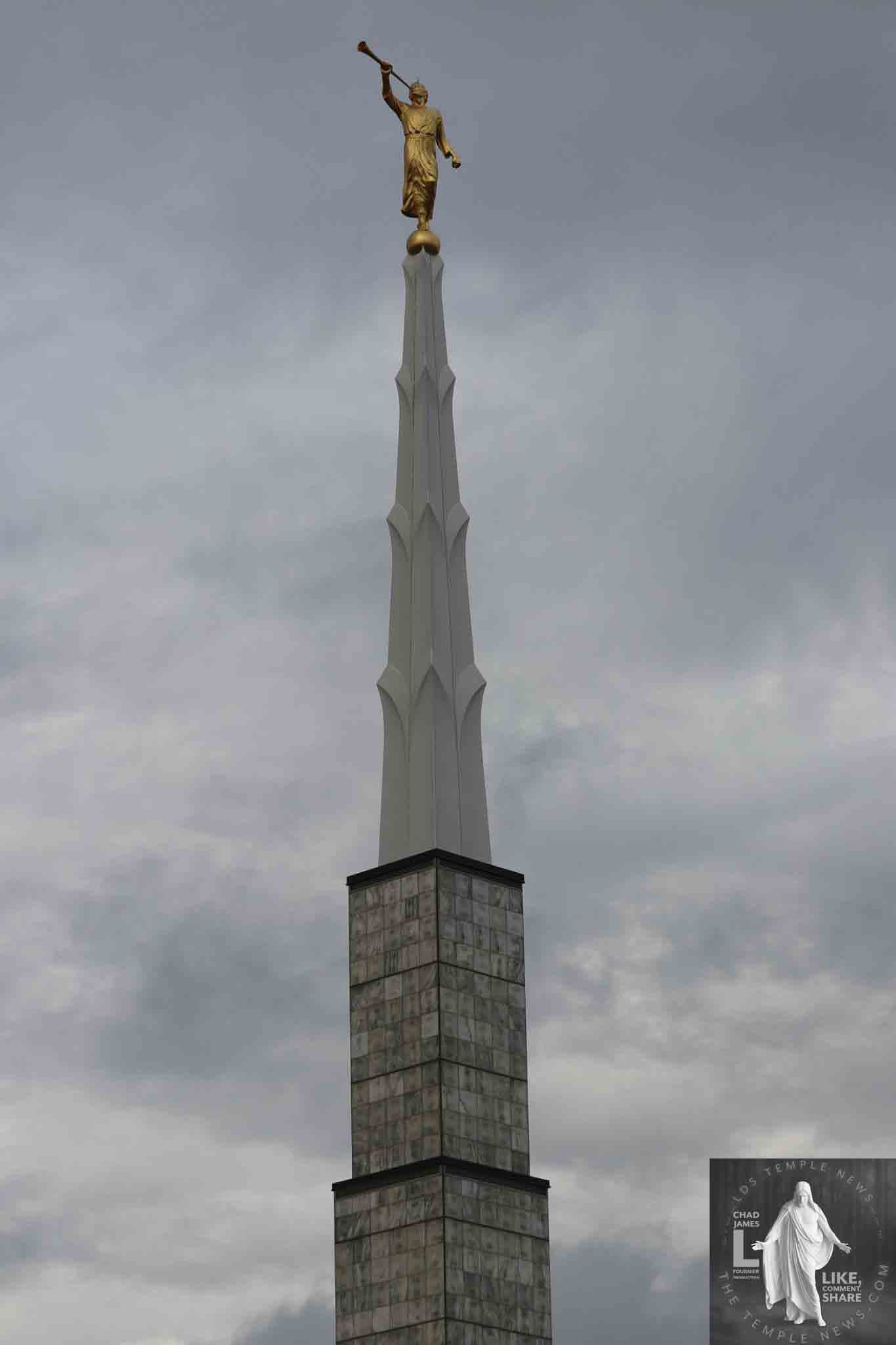
Covering six acres, the Dallas Texas Temple is characterized by its elegant architectural design. The exterior is faced with light-colored marble tiles, topped with a dark gray slate roof. Its striking visual appeal is highlighted by six detached spires adorned with an angel Moroni statue. The House of the Lord extends to a medium size of 44,207 square feet and stands at a height of 95 feet, occupying an elevated position of 617 feet in Northern Dallas, where its spires rise above mature trees.
Inside, the Dallas Texas Temple accommodates five instruction rooms, four sealing rooms, and a baptistry. This thoughtful design allows for a variety of sacred experiences within its walls.
Renovations and Enhancements Dallas Temple
In 1987, the House of the Lord closed for remodeling, which added an impressive 22,749 square feet to its original design. This renovation included the addition of an ordinance room, a cafeteria, expanded laundry facilities, and a larger relocated baptistry.
Further enhancements to the grounds were completed in June 2006. During this renovation, a monument sign was relocated outside the decorative fence, while the fence itself was altered for aesthetic improvement. The entry plaza was enlarged, and new stairs were installed for better accessibility. The original water feature was replaced with a cascading fountain, while larger and replanted flower beds added vibrance to the atmosphere. Several walkways were widened, equipped with added lighting and seating areas, further enhancing the beauty of this cherished House of the Lord.
Conclusion
The Dallas Texas Temple stands as a testament to the commitment and devotion of its members, reflecting an enduring legacy in the Lone Star State. From its historical significance to its architectural beauty, this House of the Lord continues to inspire and uplift all those who come in contact with it.