When Is the Best Time to Visit the Provo City Center Temple for Photography?
Nestled in the heart of Provo, Utah, the Provo City Center Temple stands as the 150th dedicated Temple in operation, marking a significant milestone in the history of these sacred edifices. Situated at 50 South University Ave, the Temple occupies a spacious 5.6 acres, offering both beauty and a sense of tranquility within a bustling urban environment.
Exploring the Provo City Center Temple: A Treasure of Provo, Utah
The journey of the Provo City Center Temple began on October 1, 2011, during the Semiannual General Conference when Prophet Thomas S. Monson announced its construction. He emphasized the importance of Temples, stating, “No Church-built facility is more important than a Temple.” This visionary proclamation set the wheels in motion for what would become a cherished location.
On May 12, 2012, the ground was broken for this grand edifice, with site dedication performed by Apostle Jeffrey R. Holland. However, the origin of this site is steeped in history; prior to its transformation, there was a tabernacle that tragically succumbed to an accidental fire in 2010. Remarkably, the new Temple retains elements of the previous design while embracing modern architectural beauty.
Architectural Features
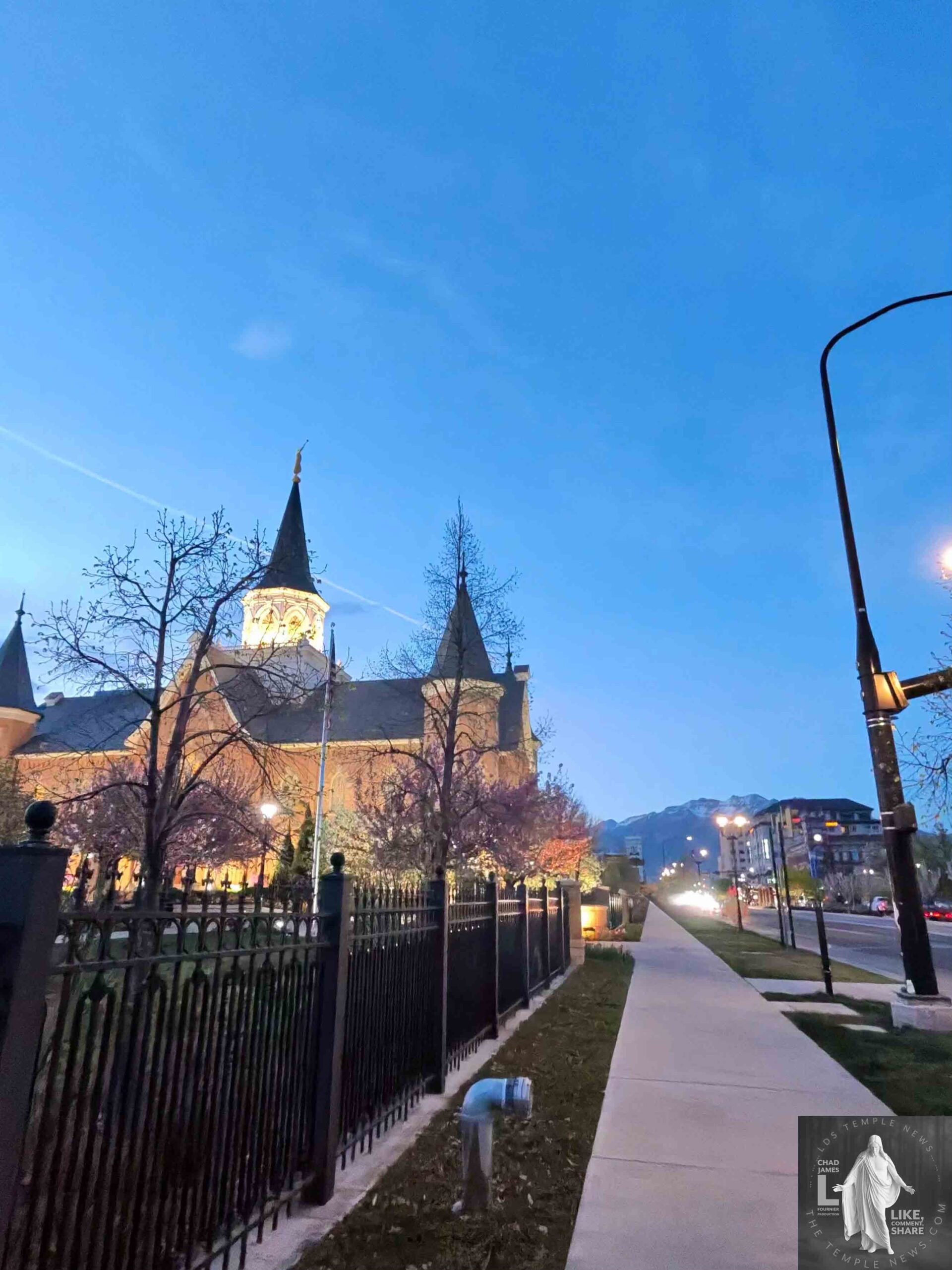
The exterior of the Provo City Center Temple showcases stunning red brick, while its architectural design features a striking central spire surrounded by four corner spires, culminating in the eye-catching Angel Moroni, which stands 13 feet tall. The Temple’s height reaches 150 feet, making it a notable feature of the Provo skyline. The overall size spans an impressive 85,084 square feet across four levels, with two above ground and two below.
The lower levels house essential facilities, including a baptistry, dressing rooms, offices, and a bridal room, while the upper levels contain endowment rooms, sealing rooms, lobbies, and more offices. The Temple also includes three instruction rooms and five sealing rooms, catering to its sacred functions.
Community Connection
The Temple is strategically located in Provo’s business district, across from a charming Victorian pavilion that features a basement connecting to the Temple’s own basement. This innovative design promotes a sense of accessibility and connectivity within the urban landscape.
Parking is ample, with a basement garage featuring 245 spots and an additional 50 spots available on the main level, accommodating those who frequent the area.
A Welcoming Presence
In January 2016, a public open house allowed over 800,000 individuals to explore the interior of the Temple before its dedication. The dedication itself took place on March 20, 2016, officiated by Prophet Dallin H. Oaks, who expressed gratitude for the educational institutions nearby, including Brigham Young University and Utah Valley University. His remarks underscored the Temple’s role in contributing to the overarching mission of enlightenment and service.
Conclusion
The Provo City Center Temple is not just a remarkable architectural feat but also a significant addition to Provo’s cultural and historical narrative. Its design, history, and central location reflect the community’s values and aspirations.