
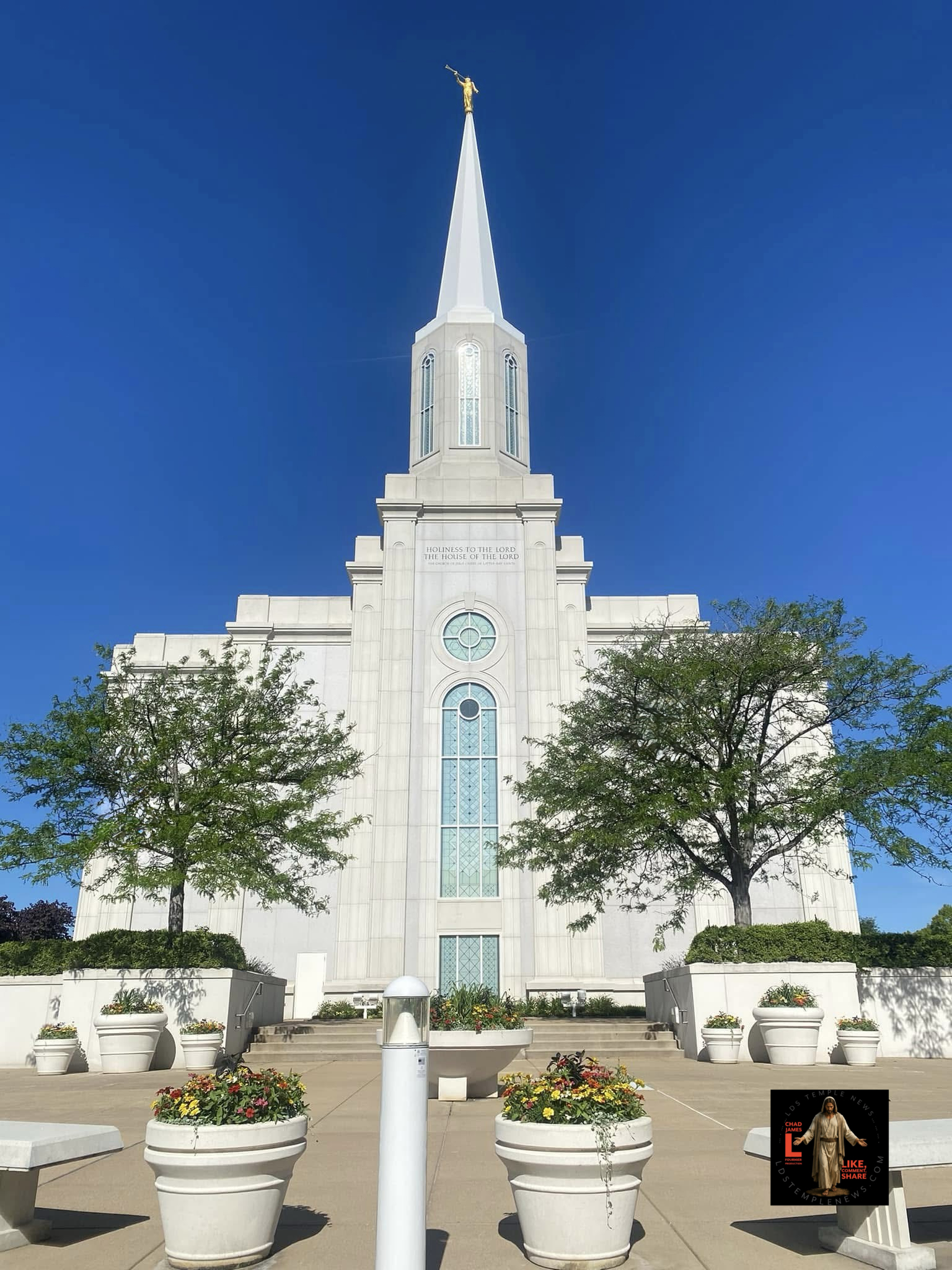
St. Louis Missouri Temple Photography capture as illustrated by LDS Temple News
The St. Louis Missouri Temple is an important site for many and holds considerable historical and architectural significance. As the 50th dedicated Temple in operation, it stands as a testament to the continuing expansion of religious spaces.
A Brief History
The announcement of the St. Louis Missouri Temple was made by Prophet Gordon B. Hinckley on October 29, 1990. The groundbreaking and site dedication occurred shortly after, on October 30, 1993, with an impressive attendance of 5,000.
The public open house, which was held from April 26 to May 24, 1997, attracted a remarkable 260,000 attendees. This event allowed many to familiarize themselves with the beauty of the Temple before its dedication. Prophet Gordon B. Hinckley dedicated the Temple from June 1 to June 5, 1997, marking a significant milestone for the area.
Architectural Features
The St. Louis Missouri Temple spans 58,749 square feet and rises to a height of 150 feet. It’s built on 14 acres of land and features a distinctive design characterized by cast stone and Bethel white granite with a thermal finish. Notably, the Temple includes a single attached end spire crowned with a gold-leafed Angel Moroni statue, an architectural highlight that many admire.
Internal Layout
The Temple encompasses several functional spaces thoughtfully designed for various purposes:
- Four instruction rooms
- Four sealing rooms
- One baptistry
This thoughtful layout ensures that multiple activities can occur simultaneously, thereby allowing for efficient use of the space.
Significant Firsts
The St. Louis Missouri Temple is notable for multiple reasons:
- It is the first Temple built in the city of St. Louis.
- It holds the distinction of being the first Temple in St. Louis County.
- Moreover, it is the first Temple constructed in the state of Missouri, despite earlier sites dedicated in the 1830s.
Reflection on Dedication
An excerpt from the dedicatory prayer profoundly reflects on the site’s historical challenges: “We are reminded that this Temple stands on the soil of the state of Missouri, where the Prophet and his associates suffered so much and were finally banished by a cruel and illegal order of extermination… They have left with respect and appreciation.”
The St. Louis Missouri Temple serves not only as a spiritual space but also as a powerful reminder of resilience, history, and the enduring hope that continues to inspire many. Whether through its architectural beauty or its historical significance, it remains a place of reflection and inspiration for countless individuals.