
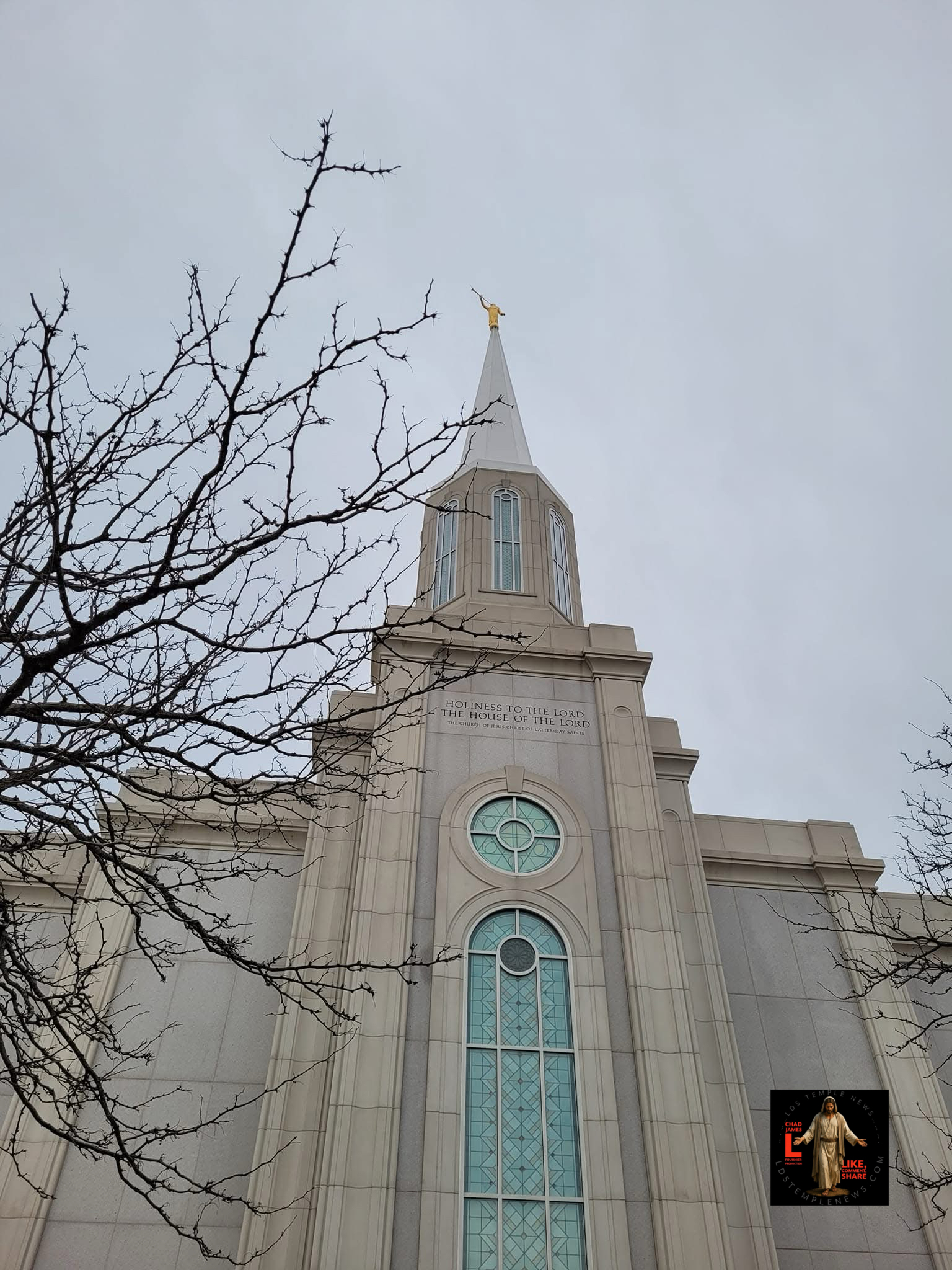
The reflections from LDS Temple News on St. Louis Missouri Temple Photography
The St. Louis Missouri Temple, the 50th dedicated Temple in operation, holds a significant place in the hearts of many. Located at 12555 N Outer Forty Dr, St. Louis, Missouri 63141, this Temple serves as a center of spiritual significance for its members.
Historical Milestones
The story of the St. Louis Missouri Temple began with an announcement on October 29, 1990, by Prophet Gordon B. Hinckley. The groundbreaking and site dedication took place shortly thereafter, on October 30, 1993, attracting an impressive 5,000 attendees. Following years of anticipation, a public open house from April 26, 1997, through May 24, 1997, allowed an impressive 260,000 individuals to experience the Temple before its dedication.
The dedication itself occurred from June 1 to June 5, 1997, once again officiated by Prophet Gordon B. Hinckley. This moment marked a new chapter in the region, as it was the first Temple built in St. Louis, in St. Louis County, and indeed Missouri as a whole. This historical significance adds depth to its standing in the area.
Architectural Features
The design of the St. Louis Missouri Temple showcases beautiful architectural elements, including a single attached end spire crowned with a Gold-leafed Angel Moroni Statue. The exterior, crafted from cast stone and Bethal white granite with a thermal finish, offers an appealing aesthetic that stands out in the landscape.
The Temple spans 58,749 square feet and rises to a height of 150 feet, all meticulously arranged across three stories. It sits at an elevation of 581 feet, further enhancing its visibility and presence.
Interior Highlights
Inside, the St. Louis Missouri Temple features four instruction rooms, four sealing rooms, and one baptistry. Each of these areas is thoughtfully designed to facilitate various activities and events for its members, allowing for spiritual growth and connection.
A Lasting Legacy
The significance of the St. Louis Missouri Temple extends beyond its physical presence. A dedicatory prayer excerpt highlights its historical context: “We are reminded that this Temple stands on the soil of the state of Missouri, where the Prophet and his associates suffered so much and were finally banished by a cruel and illegal order of extermination. Terrible were their losses, terrible their suffering. We are grateful that the extermination order has been revoked and the persecution is long since gone. Today Thy Church basks in the sunlight of good will.”
The St. Louis Missouri Temple continues to be a beacon in the area, representing both the trials and triumphs of its faith community. Its rich history and beautifully crafted design contribute to its esteemed legacy in Missouri.