Exploring the Provo City Center Temple: A Marvel of Architecture and Faith
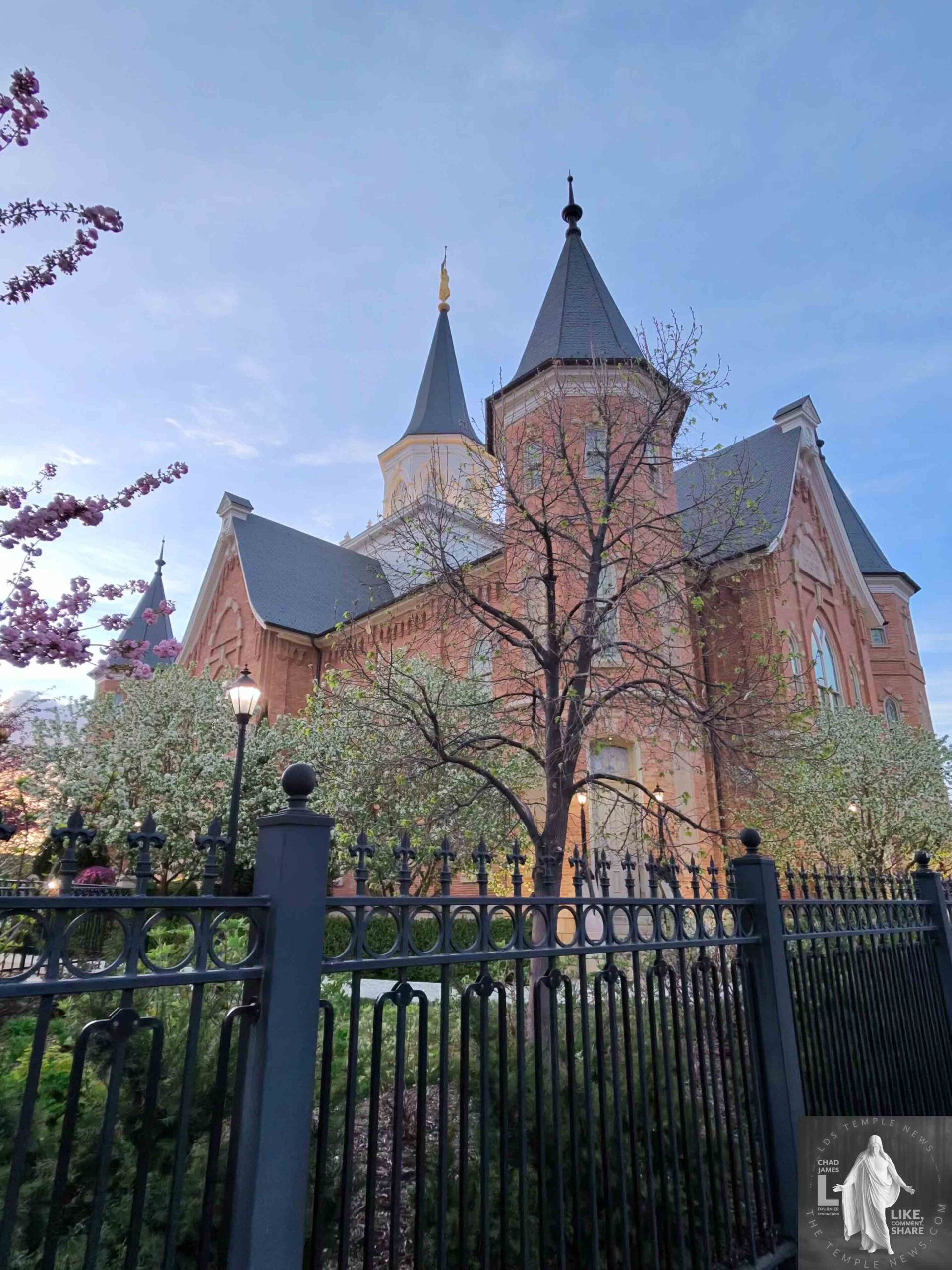
Nestled at 50 South University Ave in Provo, Utah, the Provo City Center Temple stands as the 150th dedicated Temple in operation. Its beautiful red brick exterior and striking architectural elements make it a notable feature in the area’s skyline.
A Glimpse into History
The story of the Provo City Center Temple begins with an announcement on October 1, 2011, during the Semiannual General Conference by President Thomas S. Monson. He emphasized the importance of Temples, saying, “No Church-built facility is more important than a Temple.” His words resonate deeply with the purpose and significance attributed to these sacred spaces.
The Temple’s journey continued with the groundbreaking and site dedication on May 12, 2012, led by Apostle Jeffrey R. Holland. This marked the official commencement of a transformative renovation following a fire in 2010 that tragically damaged the previous building, a tabernacle that had been a place of assembly for numerous events, including General Conference in 1886 and 1897.
Architectural Features
Completed and dedicated on March 20, 2016, by President Dallin H. Oaks, the Provo City Center Temple showcases stunning architectural details. Its central spire reaches 150 feet, flanked by four corner spires and topped with a gold-leafed Angel Moroni that stands 13 feet tall—installed for the first time on March 31, 2014.
Spanning 85,084 square feet, the design includes four levels—two above ground and two below. The lower levels house a baptistry, dressing rooms, offices, and a bridal room, while the upper levels include endowment rooms, sealing rooms, and a chapel, fostering a variety of sacred experiences for individuals and families.
Amenities and Accessibility
Covering an area of 5.6 acres, the Temple also features a basement parking garage with 245 spots, alongside 50 additional spots on the main level, ensuring easy access for those attending.
One interesting architectural element is the Victorian pavilion located across from the Temple. This charming structure connects to the Temple’s basement, creating a seamless flow between the two spaces.
A Cultural Hub
Located in Provo’s business district, the Temple enhances the vibrant cultural and educational landscape surrounding it, which includes nearby universities, such as Brigham Young University and Utah Valley University.
The public open house from January 15 to March 5, 2016, attracted over 800,000 individuals eager to explore the Temple’s interior. This outpouring of interest showcased the community’s enthusiasm and connection to the new facility.
Conclusion
The Provo City Center Temple stands not only as a testament to faith but also as an architectural gem rich in history and cultural significance. Its evolution from a historic tabernacle to a beautifully renovated Temple encapsulates a narrative of resilience and devotion in the heart of Utah Valley.