
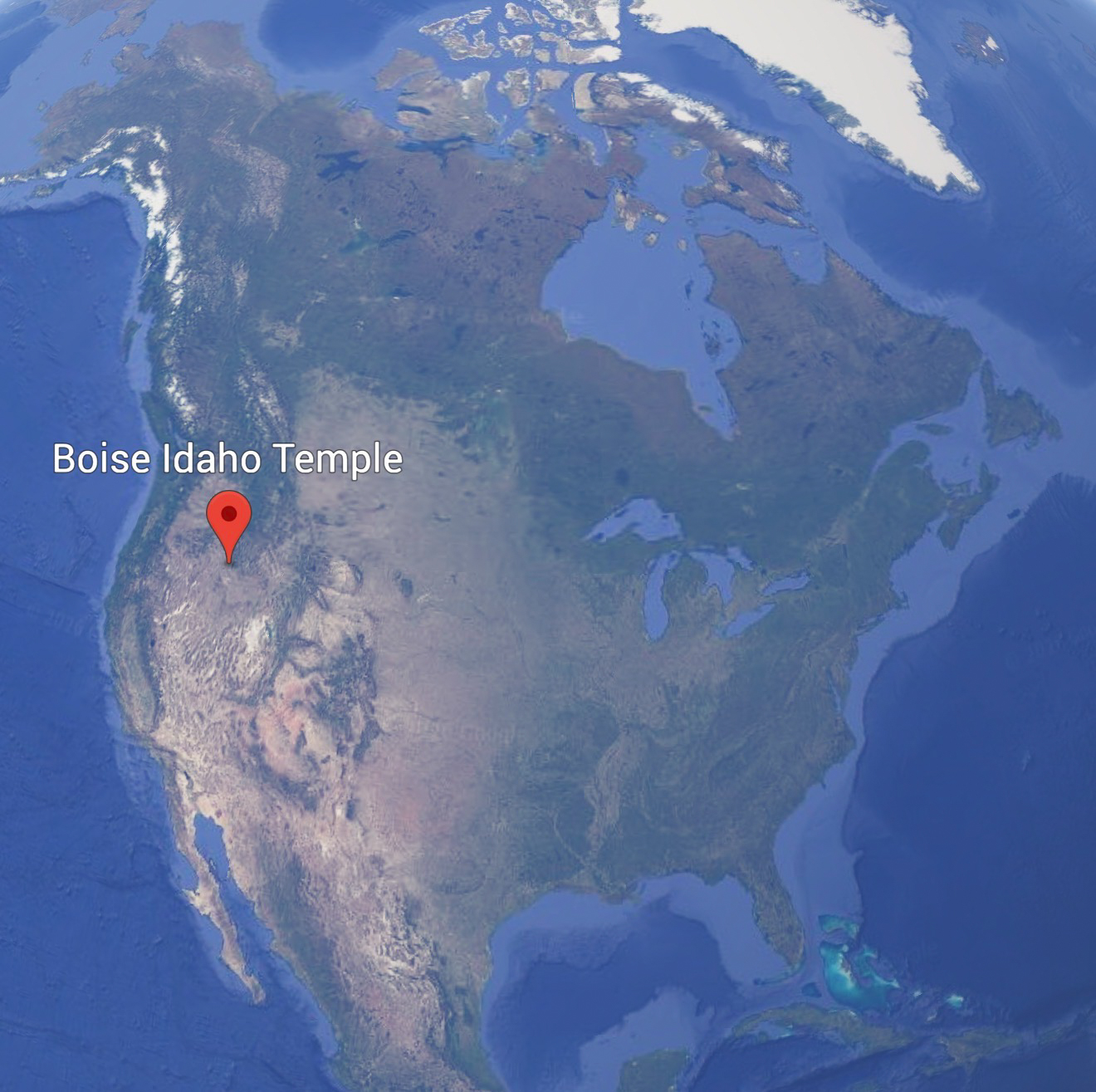
A Closer Look at the Boise Idaho Temple
Nestled in the heart of Boise, Idaho, you’ll find a remarkable site that has captivated many for decades. Announced on March 31, 1982, the Boise Idaho Temple has become a significant part of the city’s landscape and culture.
Groundbreaking and Dedication
On December 18, 1982, a notable ceremony marked the groundbreaking and site dedication, led by Apostle Mark E. Petersen. This event attracted approximately 5,000 attendees, showcasing the enthusiasm and interest of local members.
The Last Open House
The last opportunity for the public to explore the Boise Idaho Temple occurred from October 13 to November 10, 2012. During this open invitation, an impressive 128,716 guests took the opportunity to tour the stunning interior, reflecting the temple’s importance to many.
Architectural Details
Sitting on 4.83 acres, the temple boasts an exterior finish of white granite quarried from China, giving it a distinctive and elegant appearance. One of its most striking features is the collection of six detached spires, crowned by a gold-leafed statue of the angel Moroni, added on February 16, 2012.
With a total area of 35,868 square feet and a height of 112 feet, this location includes four instruction rooms, four sealing rooms, and a single baptistry, making it both functional and aesthetically pleasing for the Boise Idaho Temple.
Location and Elevation
Located at 1211 S Cole Rd, Boise, Idaho 83709, this Temple stands majestically at an elevation of 2,754 feet. Its well-designed grounds feature a beautiful water feature and numerous large trees, providing a serene atmosphere for visitors.
Community Engagement
Additionally, the Boise Idaho Temple shares its parking lot with a nearby meeting house, further emphasizing its role in the lives of local members. The location’s architectural style is reminiscent of the Dallas Texas Temple and the Chicago Illinois Temple, yet each site boasts unique landscapes.
In conclusion, the Boise Idaho Temple represents more than just a building; it’s a vital part of Boise’s rich tapestry. From its impressive architecture to its well-maintained grounds, it continues to be a cherished part of the city’s history and identity.