
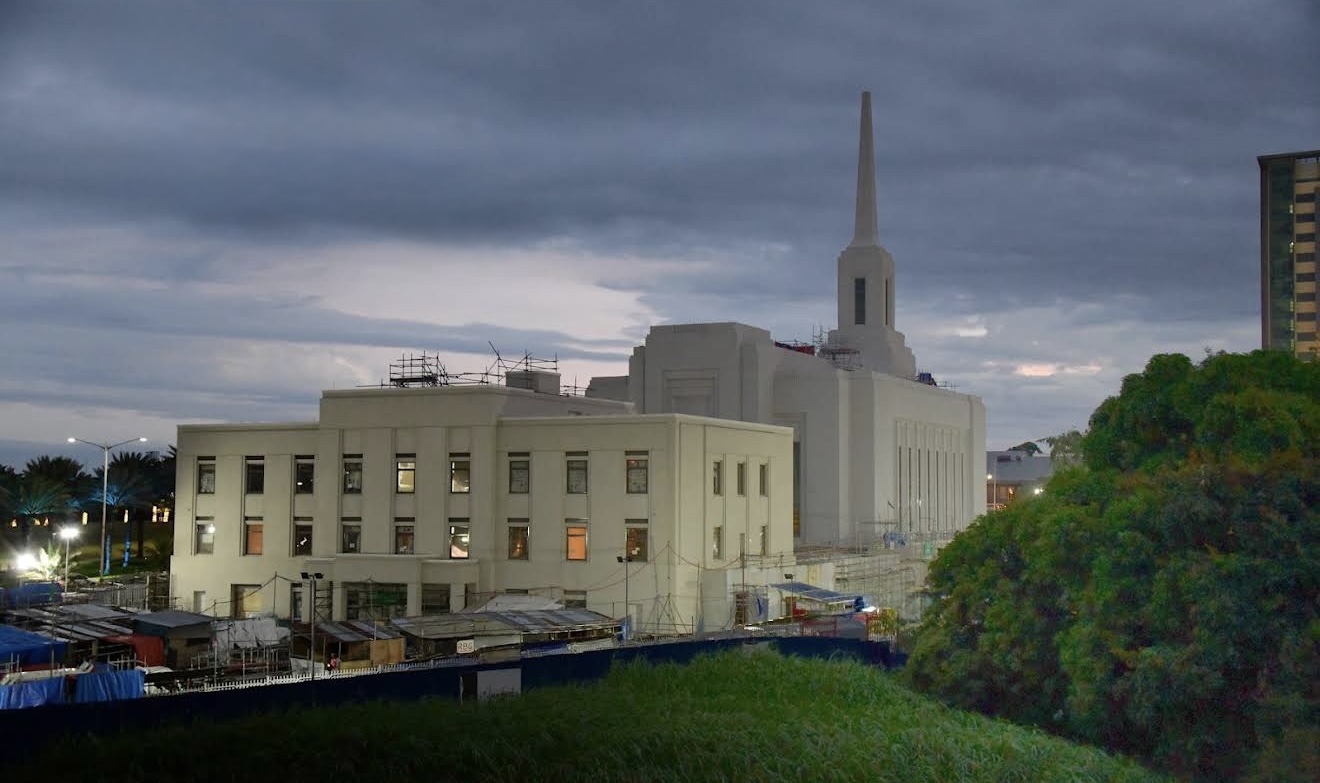
Anticipating the Alabang Philippines Temple: A New Beacon of Faith
The Alabang Philippines Temple is set to become a significant addition to the spiritual landscape of the Philippines, with its dedication scheduled for January 18, 2026, by Apostle David Bednar. Located in Alabang, Muntinlupa City, this temple represents a momentous milestone for members of the Church of Jesus Christ of Latter-day Saints in the region.
Historical Context
Though the Church of Jesus Christ of Latter-day Saints has only been in the Philippines for a short time, with the first member, Aniceta Fajardo, being baptized in 1946, the congregation has grown tremendously. Today, there are over 900,000 members in the Philippines, a number that is expected to exceed one million in the next few years. Since the arrival of the first missionaries in 1961 and the dedication of the first temple in Manila in 1984, the Church has made significant strides in establishing a strong presence in the country.
Temple Features and Design
The Alabang Philippines Temple will occupy 2.62 acres and features a design that reflects both spiritual significance and local culture. The temple’s exterior will be clad in White Oro Crystal granite sourced from China, which is not only beautiful but also symbolizes purity and reverence. The temple will stand at 175 feet tall, crowned by a single attached spire that adds elegance to its silhouette.
With a total area of 35,998 square feet, the temple is classified as a small temple, as defined by the Church’s size classification (ranging from 12,000 to 40,000 square feet). Internally, the temple will boast beautiful granite finishes, decorative paintings, and exquisite woodwork, creating a peaceful atmosphere for worship and reflection.
Landscaping and Environment
The landscaping around the temple is thoughtfully designed to enhance its beauty and serenity. It will include 90 carefully placed trees, among them Manila palm, royal palm, and other native species like champaca and kalachuchi. Additionally, various flowering perennial plants will adorn the grounds, contributing to a lush and inviting environment.
Interior Design and Amenities
Inside the temple, visitors will be greeted by stunning art glass windows featuring the white jasmine flower, the national flower of the Philippines. These windows will be complemented by a harmonious color palette of cream, amber, green, and pink, infusing the space with warmth and beauty. The rugs throughout the temple will be made of luxurious wool, ensuring comfort while maintaining a reverent atmosphere.
The baptistry will feature powder-coated steel railings, and the ceilings will use gypsum board painted in antique tones to balance acoustic levels throughout the temple, enhancing the spiritual experience. Decorative lighting made from crystal, acrylic, and brass will illuminate the space beautifully, creating an inviting environment.
Conclusion
The Alabang Philippines Temple represents a new chapter in the spiritual life of many in the Philippines. It stands not only as a place of worship but as a symbol of community, faith, and hope for the future. As preparations for the dedication continue, the excitement within the Church and the broader community grows. This temple will serve as a sacred space for ordinances and spiritual growth, connecting families and individuals to their faith in profound ways. Mark your calendars for January 18, 2026—an important date that will resonate deeply in the hearts of many for years to come.